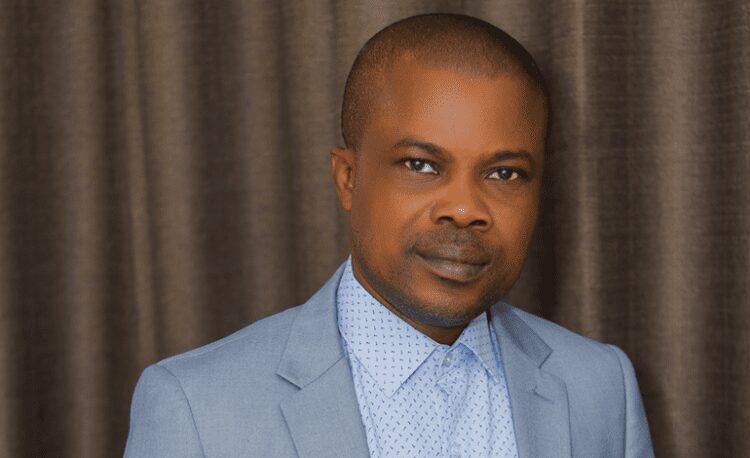
Security Consultant and former Intelligence Officer Richard Kumadoe has called for faster drug trafficking prosecutions and more government resources for the Narcotics Control Commission (NACOC). He made the call in an interview with The Vaultz News on Ghana’s exposure to transnational cocaine trafficking.
Mr Kumadoe argued that delayed judgments blunt the work of investigators and leave the proceeds of crime beyond the state’s reach. He also acknowledged the effort to rebuild NACOC, which he says needs sustained funding to meet international standards.
“One of the things we don’t do well is that when cases get to court, it takes a long time for judgment to come out.”
Security Consultant and former Intelligence Officer Richard Kumadoe
Mr Kumadoe named the pace of drug prosecutions as an area that needs urgent attention in the effort to dismantle organised trafficking networks. Law enforcement agencies cannot achieve the full impact of their investigations, he explained, when cases stay in court without final outcomes.
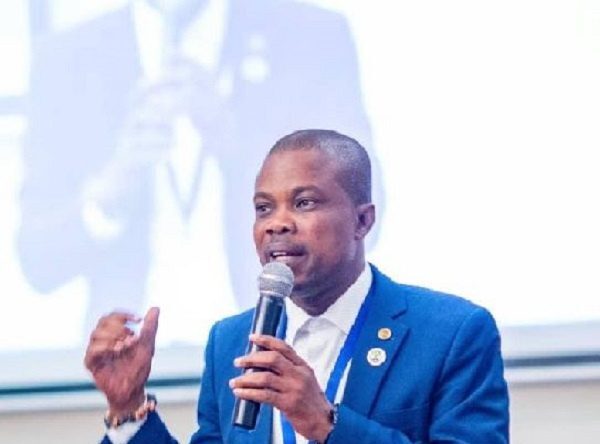
He warned that prolonged proceedings can embolden criminal networks and weaken the morale of the officers who pursue them. People involved in trafficking, he argued, face fewer immediate consequences when the courts take so long.
Criminal Proceeds Stay Out of Reach
The delays also affect the state’s power to recover money from crime. Kumadoe stated that unfinished prosecutions leave suspected proceeds outside effective recovery.
“Once you don’t prosecute them, it also prevents you from confiscating the assets borne out of crime.”
Security Consultant and former Intelligence Officer Richard Kumadoe
For him, a quicker court process must form part of Ghana’s strategy against narcotics, alongside the intelligence and operational work of the security agencies.
Prosecution Gap Follows a Defence of Surveillance
His concerns arrive after a series of seizures tied to Ghana, including 46.7 kilogrammes of cocaine at Beirut’s Rafic Hariri International Airport. A Syrian national who travelled from Accra reportedly carried it. The case has sharpened questions about how well Ghana prevents and prosecutes international drug trafficking.
Mr Kumadoe earlier argued that the Beirut seizure shows Ghana’s intelligence coordination works. He also endorsed the surveillance measures at ports and airports, saying Ghana is becoming hostile to drug traffickers.
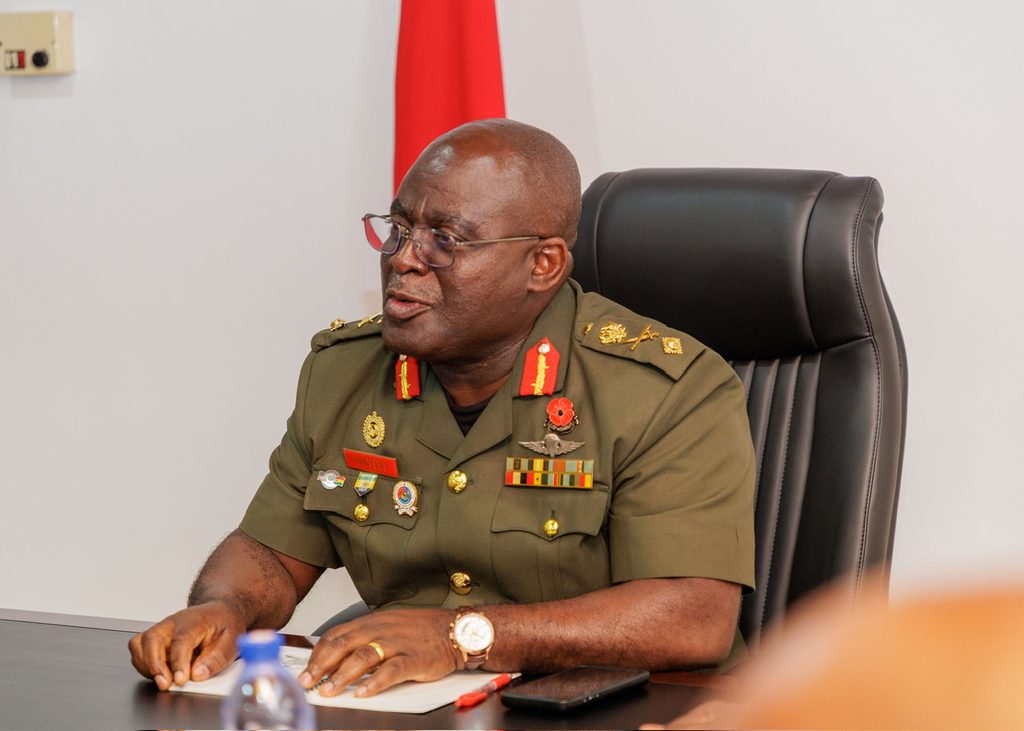
He insists that the justice system must now deliver matching results. Prosecutions and asset confiscation belong beside intelligence gathering, surveillance and arrests, he argued, because enforcement loses its deterrent effect when investigations do not become timely court decisions.
NACOC Rebuilds Under New Leadership
The former Intelligence Officer, Mr Kumadoe, acknowledged the effort by NACOC’s Director-General, Major General Maxwell Obuba Mantey, and Alexandra Barima-Twum to rebuild the Commission. He described the institution’s recent past in blunt terms, disclosing that “NACOC was run down.”
The Commission has begun to benchmark international practice more aggressively, he noted. He expressed confidence that sustained attention to international standards and best practices can strengthen its ability to carry out its mandate, provided its leaders keep up the work.
Resources Decide Whether Recovery Lasts
Touching on what Parliament and the Executive could do to support long-term institutional and legislative reforms, Mr Kumadoe pleaded for money. His advice to government was to “give them the resources they need,” and he predicted that NACOC would then perform.

He named no funding amount, equipment need, or legislative amendment. His argument was that adequate resources would let the Commission sustain intelligence-led investigations, coordinate enforcement and improve its performance over time.
Mr Kumadoe’s call comes as the Minority in Parliament pushes a different line on the same seizures. It challenged the Speaker’s ruling that dismissed its motion for a narcotics probe, after the Speaker dismissed the motion in September. The House has since resumed, and the Minority has filed a fresh motion.
The Minority wants answers on institutional and security failures. Mr Kumadoe wants faster judgments and better-funded institutions. Both positions hold that arrests and seizures alone will not end the flow of narcotics through Ghana.
Strengthening the Criminal Justice Response
Mr Kumadoe’s recommendations point to two interconnected priorities in Ghana’s anti-drug trafficking efforts: improving the speed of prosecutions and strengthening the institutional capacity of NACOC.
While surveillance technology and intelligence coordination remain important to detecting and disrupting trafficking activities, he argued that delayed court judgments and inadequate institutional support can weaken the overall enforcement proc
His position places responsibility on the government to support the Commission while ensuring that drug-related cases progress through the courts without prolonged delays.
As Ghana continues to confront concerns about its exposure to international cocaine trafficking networks, Mr Kumadoe maintains that faster prosecutions, effective asset confiscation and adequate resources for NACOC are necessary to reinforce the country’s efforts against organised drug crime.
READ ALSO: Ghana’s 15.7% Revenue-to-GDP Ratio Exposes Fiscal Weakness