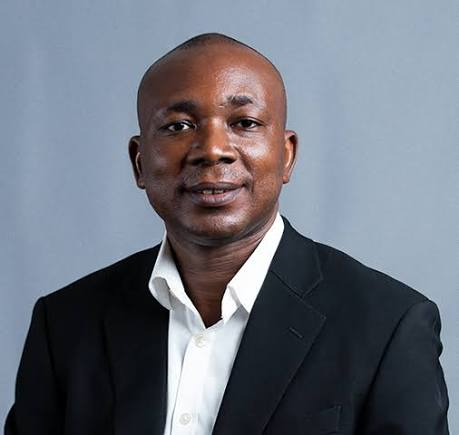
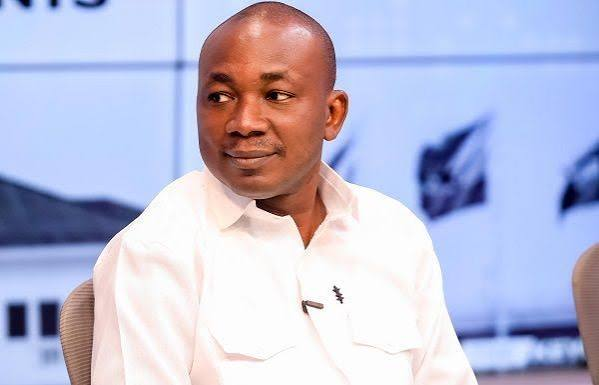
Economics Professor, University of Ghana Business School, Godfred Alufar Bokpin has urged the government to increase public spending to stimulate economic growth, warning that expenditure cuts are delaying the benefits of macroeconomic stability for Ghanaians.
Speaking in an interview ahead of Finance Minister Dr Cassiel Ato Forson’s presentation of the 2027 Budget on Thursday, November 12, he acknowledged improvements in key economic indicators but argued that Ghana’s infrastructure deficit requires sustained investment to remove constraints on production, mobility and business activity.
“So, for a country that is saddled with a huge infrastructure deficit, imposing restrictions on the growth drivers of the economy, such a country cannot celebrate extensive austerity expenditure cuts. We need government to spend to stimulate growth,”
Economics Professor, University of Ghana Business School, Godfred Alufar Bokpin
Prof Bokpin argued that the government’s stabilisation strategy in 2025 and 2026 had depended heavily on expenditure cuts, an approach he believes is ill-suited to an economy facing significant infrastructure gaps.
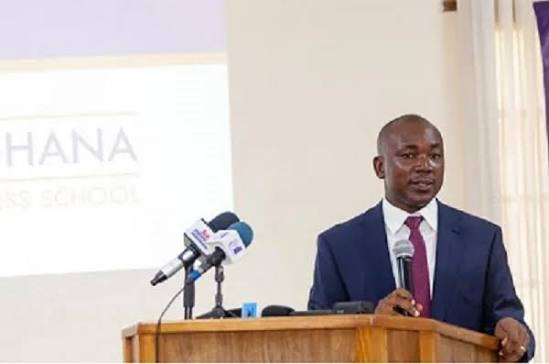
He maintained that restricting public investment could weaken the very drivers needed to expand economic activity, particularly when businesses and households continue to contend with inadequate infrastructure.
Demand reduction is not capacity expansion
Explaining the economic consequences of the strategy, Prof Bokpin noted that expenditure reductions could help lower inflation by reducing the amount of money circulating through the economy and weakening aggregate demand.
However, he stressed that this does not automatically improve the country’s ability to supply goods and services. In his assessment, Ghana must also address constraints on production by investing in infrastructure and other growth-enabling areas.
“You are shrinking aggregate demand as a way of also bringing inflation down, rather than expanding the economy’s severe or restricted supply capacity.”
Economics Professor, University of Ghana Business School, Godfred Alufar Bokpin
He illustrated the point with the experience of commuters travelling between Accra and Kumasi, where poor road conditions and lengthy journeys can impose costs that falling prices do not immediately offset.
“If somebody is spending nine to 12 hours to travel from here to Kumasi, inflation of 5.2% means nothing to that person.”
Economics Professor, University of Ghana Business School, Godfred Alufar Bokpin
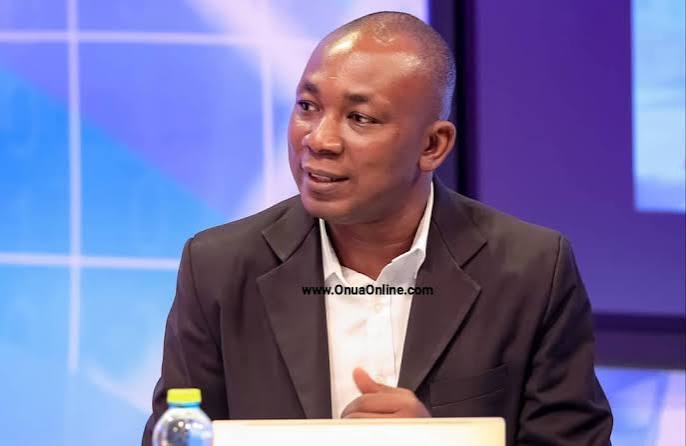
For Prof Bokpin, the example captures the gap between improvements in national economic indicators and the lived experiences of citizens who still face infrastructure constraints.
Stability gains yet to reach households
The economist acknowledged that the government had made progress towards its stated two-year objective of restoring macroeconomic stability. He pointed to declining inflation and interest rates, as well as the relative resilience of the cedi despite renewed pressure on the currency.
“I would say they’ve done quite well in restoring macroeconomic stability,” he added. Nevertheless, he cautioned that the gains would not translate immediately into improved living conditions, partly because the measures used to restore stability take time to affect households and businesses.
“It’s simply because the approach we have adopted in restoring macroeconomic stability is going to take a while to reflect in the lives of Ghanaians.”
Economics Professor, University of Ghana Business School, Godfred Alufar Bokpin
His comments highlight the challenge confronting policymakers as they seek to preserve recent economic improvements while responding to public expectations for more visible relief and stronger growth.
New Economy programme faces funding questions
The call for increased public investment comes as the government prepares to introduce a four-year New Economy programme in the 2027 Budget. The initiative is expected to focus on investment in productive sectors as the administration seeks to move beyond stabilisation towards economic transformation.
Prof Bokpin described the proposed programme as a reflection of that intended transition, with the next phase of economic management expected to place greater emphasis on growth.
However, the programme is emerging amid questions from the Minority in Parliament about how the government intends to finance its commitments. The Minority has also called for an account of existing flagship initiatives, including the 24-Hour Economy, before new programmes are introduced.
The financing question is central to the debate over how the government can increase investment without undermining the stability it has worked to restore. While Prof Bokpin’s intervention centres on the need to spend, his remarks also point to the importance of directing expenditure towards areas that remove barriers to economic activity.
As the Finance Minister prepares to present the budget, the competing demands of fiscal discipline, infrastructure investment and economic transformation are likely to shape scrutiny of the government’s plans.
For Prof Bokpin, the priority is to ensure that macroeconomic stability becomes a foundation for expanding productive capacity and improving the conditions under which Ghanaians live and work, rather than an achievement measured through national indicators. He wants investment to complement fiscal discipline and widen opportunities in productive sectors.
READ MORE: Persistent Sadness, Sleep Changes May Signal Depression – Psychologist