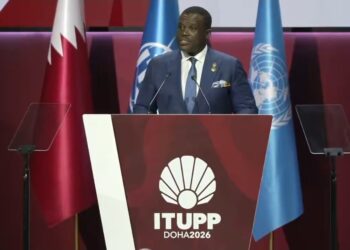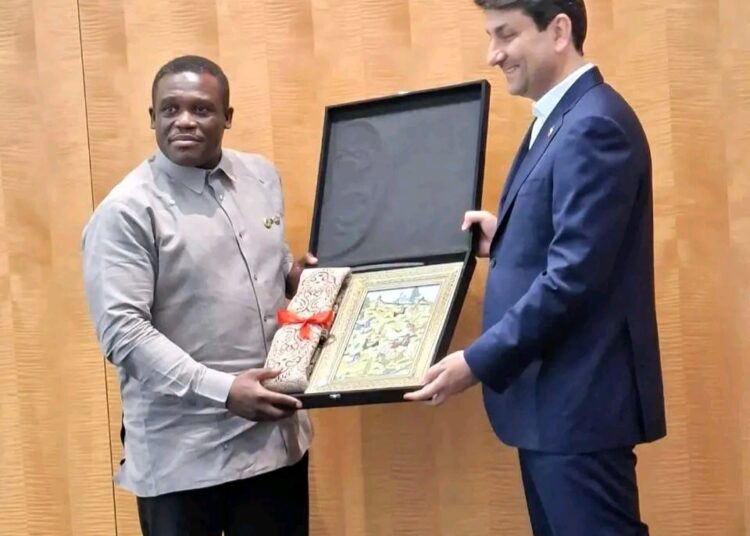
Ghana has intensified its diplomatic and strategic engagement with countries across different regions through a series of bilateral meetings at the International Telecommunication Union (ITU) Plenipotentiary Conference 2026 (PP-26) in Doha, Qatar.
The engagements, led by the Minister for Communication, Digital Technology and Innovations, Hon. Samuel Nartey George, brought together representatives from Iran, Kuwait, Ukraine, Bahrain and Kazakhstan to discuss areas of mutual interest and strengthen cooperation in the global telecommunications sector.
The discussions focused on voting arrangements, candidacies and the harmonisation of policy positions ahead of key decisions at the conference, as member states seek to shape the future direction of international digital governance.
Ghana’s participation forms part of its broader efforts to strengthen international partnerships and secure support for its representation in key ITU governing bodies.
Ghana Pursues Strategic International Partnerships
The bilateral engagements provide Ghana with an opportunity to strengthen diplomatic relations beyond its traditional regional partnerships while building consensus on issues affecting the global digital landscape.
Discussions with the five countries centred on shared priorities, reciprocal support and coordinated positions on matters scheduled for consideration at PP-26. The meetings also underscore the importance of diplomatic cooperation in international telecommunications, where decisions on spectrum allocation, technical standards and digital infrastructure increasingly require collaboration among countries.
For Ghana, building relationships with countries across Africa, Asia, Europe and the Middle East could help broaden its influence in international technology discussions and advance its interests in the evolving digital economy.
The Minister’s engagements further reflect Ghana’s commitment to ensuring that the concerns of developing countries, particularly those relating to connectivity, cybersecurity, resilient communication networks and inclusive digital development, receive adequate attention in global decision-making.
PP-26 to Shape Global Digital Policy
The ITU Plenipotentiary Conference is the highest policy-making body of the United Nations specialised agency responsible for information and communication technologies. Held every four years, the conference brings together representatives of the ITU’s 194 member states to determine the organisation’s strategic direction, approve its financial plans and elect members to its governing bodies.
The 2026 edition, running from November 9 to 27 at the Doha Exhibition and Convention Centre, is expected to influence the organisation’s priorities for the 2028–2031 period.
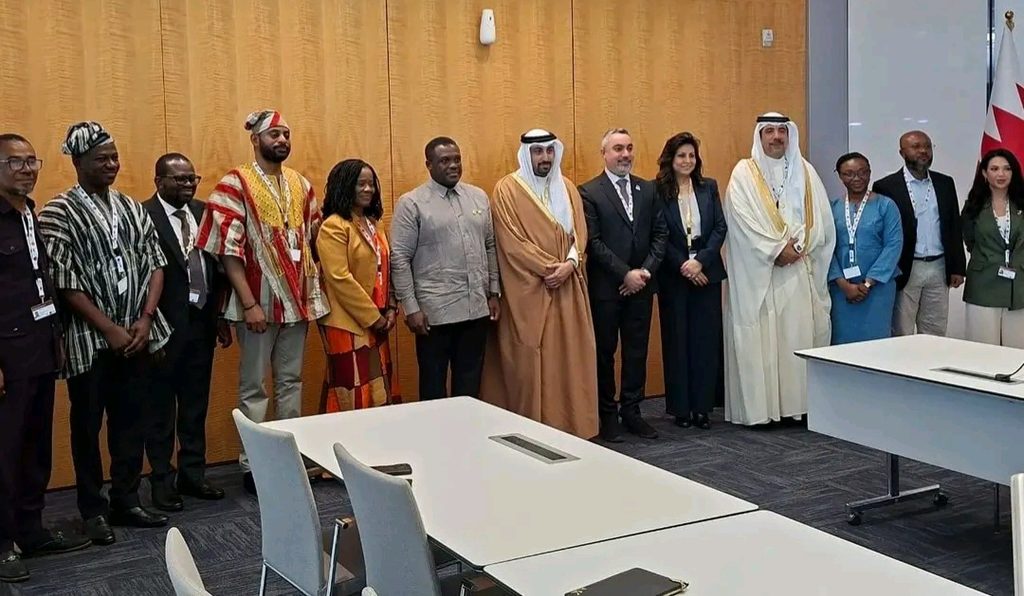
According to the ITU, the conference will address emerging challenges across the telecommunications industry, including artificial intelligence, satellite communications, digital inclusion and the development of secure and reliable communication infrastructure.It will also oversee elections for the organisation’s leadership, the 48-member ITU Council and the 12-member Radio Regulations Board (RRB).
The outcomes will influence how the organisation coordinates international telecommunications activities and responds to technological developments over the next four years.
Ghana Seeks Renewed Representation in ITU Governing Bodies
A major priority for Ghana at the conference is securing re-election to the ITU Council and supporting the re-election of Rev. Ing. Edmund Yirenkyi Fianko to the Radio Regulations Board.
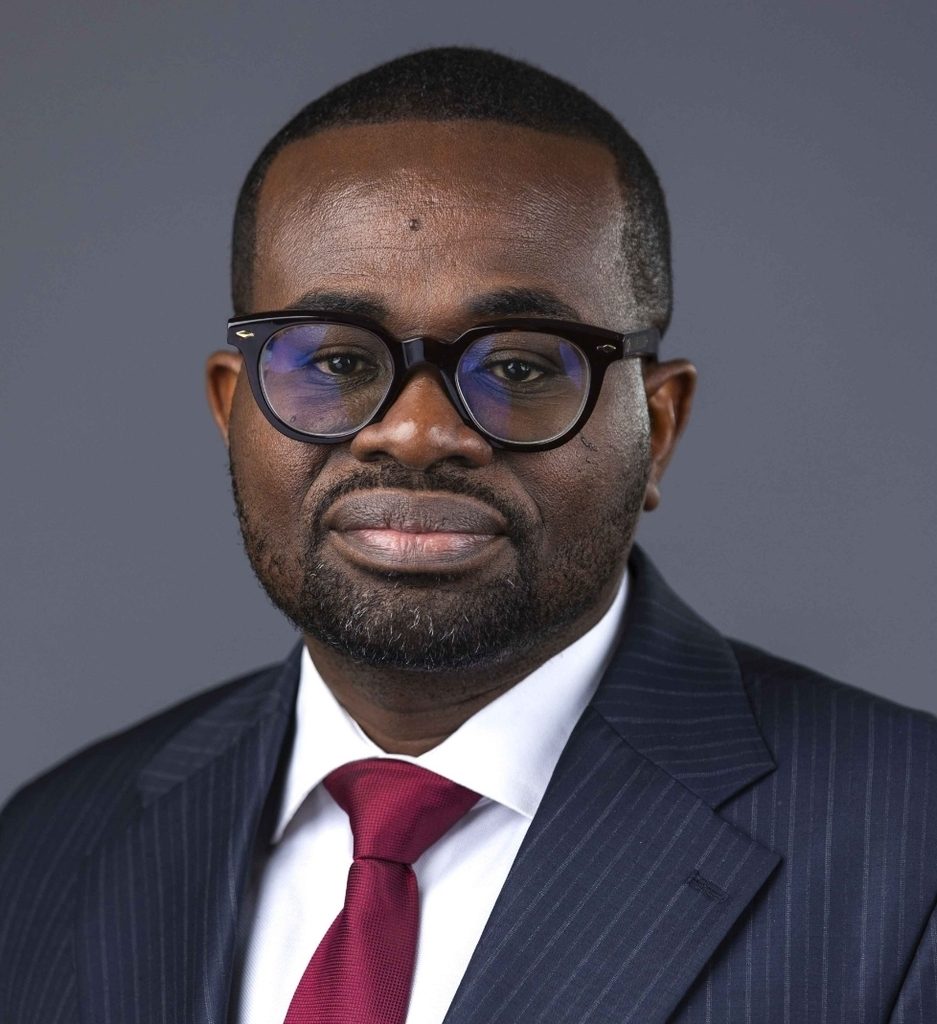
The ITU Council serves as the organisation’s governing body between Plenipotentiary Conferences, overseeing its activities, coordinating work programmes and monitoring the implementation of approved policies and strategies.
Ghana’s bid for another term is therefore significant in maintaining its participation in discussions and decisions affecting international telecommunications development.
Digital Inclusion Remains a Key Priority
Ghana’s diplomatic engagements come at a time when international cooperation is increasingly important to addressing inequalities in access to digital infrastructure and technology.
For developing economies, participation in global telecommunications governance offers opportunities to influence policies that affect connectivity costs, infrastructure investment, cybersecurity and access to emerging technologies.
Through its engagements in Doha, Ghana is seeking to strengthen its international partnerships while advancing priorities that support a more inclusive and resilient digital environment.
The success of its Council and Radio Regulations Board bids could further consolidate the country’s presence in international telecommunications governance.
As PP-26 progresses, Ghana’s diplomatic outreach and efforts to secure renewed representation will remain important to its ambition of contributing more actively to the global digital development agenda.
READ MORE: Van Dijk Not Panicking Over Liverpool Future