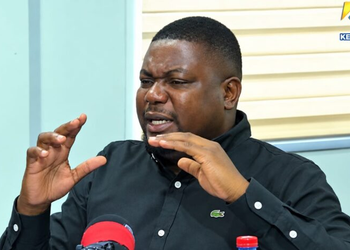
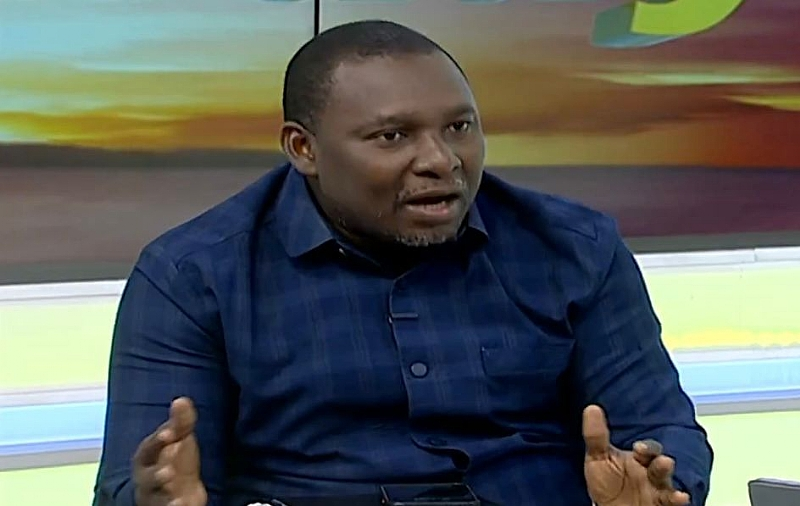
The Director of Communications of the United Party, Solomon Owusu, has urged the government to align education with labour-market demands, arguing that Ghana’s employment challenges require stronger technical and vocational training alongside policies that support private-sector growth.
During an interview on the government’s economic and budget priorities, Mr Owusu acknowledged improvements in key indicators but argued that stabilisation should have advanced alongside measures to expand production and create jobs.
“We should not overlook the fact that some companies are searching for specialised skills that they cannot readily find locally.” Economic stability must support job creation”
Director of Communications of the United Party, Solomon Owusu
Mr Owusu acknowledged the government’s progress in reducing inflation, Treasury bill rates and the debt-to-GDP ratio, describing the figures as significant achievements in the macroeconomic environment.
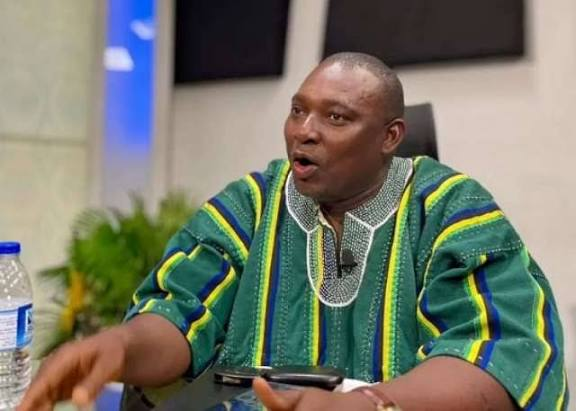
He recalled that inflation stood at 23.8 per cent when the administration took office, the 91-day Treasury bill rate was almost 28 per cent, debt-to-GDP hovered between 63 and 65 per cent, the Bank of Ghana policy rate was 27 per cent and commercial borrowing rates ranged from 35 to 36 per cent.
He contrasted those figures with inflation of about 5 per cent, a 91-day Treasury bill rate of approximately 4.5 per cent and debt-to-GDP below 45 per cent.
“Nobody can take that achievement away from them,” he stated, adding that currency stability also reflected improved macroeconomic conditions.
However, he argued that the government should have pursued economic stabilisation and growth simultaneously, a position the United Party had advocated since 2025. He maintained that delaying productive investments meant the country was losing time in creating employment opportunities.
Manufacturing and agriculture offer growth opportunities
Mr Owusu welcomed the government’s intention to invest in seven priority areas, particularly textile and garment manufacturing.
He explained that the United Party’s Great Transformational Plan for 2024 to 2027 had identified ten strategic anchor industries based partly on the country’s import bill and the foreign exchange spent on products Ghana could produce.
He cited petroleum products, spare parts, pharmaceuticals and food as major import categories.
He pointed to Vietnam’s textile and garment industry, which he indicated generates close to US$48 billion annually, compared with Ghana’s cocoa earnings of about US$2 billion.
Mr Owusu urged the government to exploit the African Growth and Opportunity Act, which provides eligible African countries preferential access to the United States market.
He called for stronger supply chains through the African Continental Free Trade Area so locally manufactured garments could reach markets across Africa.
On agriculture, he questioned Ghana’s continued dependence on imported tomatoes and poultry, citing nearly US$100 million spent on tomatoes from Burkina Faso.
He welcomed plans to strengthen pharmaceutical manufacturing and urged government agencies to consult existing companies about support for expansion.
Private sector investment is key to employment
The United Party communicator maintained that the public sector alone could not deliver the employment levels Ghana needs.
He called for lower interest rates, a review of the tax regime and improved access to capital for businesses, particularly young entrepreneurs who struggle to meet banks’ collateral requirements.
He proposed stronger venture capital support and a more proactive role for the National Entrepreneurship and Innovation Programme in backing promising entrepreneurs.
Mr Owusu also questioned the balance between recurrent spending and infrastructure investment in the 2026 Budget.
He cited allocations of about GH¢190 billion for employee compensation and GH¢57 billion for capital expenditure, arguing that the difference constrained investment in roads, hospitals and other infrastructure.
He urged public institutions to help market women adapt to changing technology and business practices.
Education reform must address skills shortage
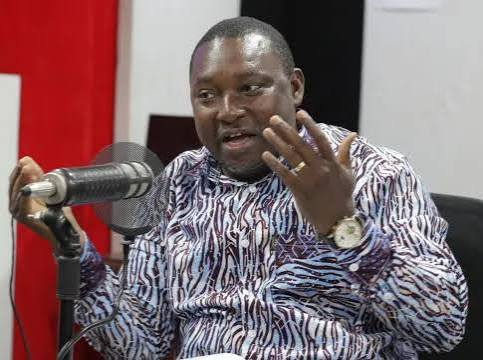
Mr Owusu argued that Ghana’s education system must respond more directly to the skills employers require. He expressed concern that the country was producing many graduates in some humanities disciplines while failing to develop enough technical and vocational expertise.
He cited foreign painters and carpenters as evidence of the need to strengthen local skills training.
“I have consistently argued that, with hindsight, technical and vocational education should have been made free alongside the Free SHS policy,”
Director of Communications of the United Party, Solomon Owusu
He maintained that expanding access to technical and vocational education would encourage more young people to acquire practical skills and help businesses recruit workers locally. He believes practical training can help close the gap between employers’ needs and young people’s qualifications
For Mr Owusu, sustainable job creation will depend on combining sound macroeconomic management with industrial investment, stronger private enterprise and an education system that prepares young people for available opportunities.
READ MORE: IES Calls for Sustainable Funding to Stabilise Ghana’s upstream Industries