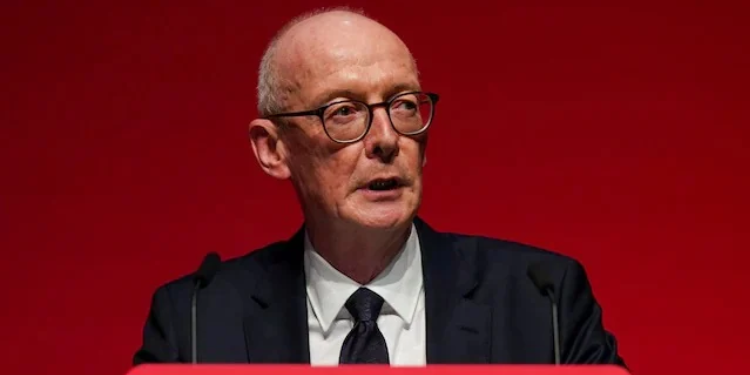
Work and Pensions Secretary, Pat McFadden, has urged Labour MPs to support proposed reforms to the welfare system for young people, noting that the existing arrangements are failing those who remain outside employment, education and training.
His appeal precedes the publication of a major review by former Labour Minister, Alan Milburn, which is expected to outline proposals to address the rising number of young people not in education, employment or training (NEET).
Speaking in an interview, Pat McFadden maintained that the government must ensure adequate support is available before introducing changes to benefit entitlements
“It’s really important that people don’t have benefit changes before support is in place. So we want to put the support in place – that’s the right way round to do this.”
Pat McFadden
Support Must Precede Benefit Changes

Under the anticipated reforms, support could include access to education and vocational training, mental health services and, in some cases, subsidised employment opportunities funded by the state.
The Work and Pensions Secretary also defended the need to reconsider existing benefit arrangements.
“It is not as though the status quo is leading to a good life. For those dependent on those long-term benefits, we think we can offer a better life through the reset that we’re talking about, through a better system.”
Pat McFadden
He further appealed to Labour’s political identity, arguing that employment should remain central to the party’s approach to improving living standards and expanding opportunities.
“And you know, we are the party of labour, we are the party of work. Too many young people are never knowing the sense of pride and purpose and dignity that comes with having a job.”
Pat McFadden
McFadden’s intervention also reflects concerns within the government about securing parliamentary support for the proposed changes, particularly after Prime Minister Keir Starmer encountered resistance from Labour backbenchers over planned reforms to Personal Independence Payments (PIP).
Asked whether the Milburn proposals could trigger another rebellion, McFadden noted that the latest plans represent a different approach, with a stronger commitment to providing practical assistance before altering benefit entitlements.
He described the proposed package as a “very different proposition,“ pointing to the combination of employment support, education, training, mental health services and subsidised jobs as evidence of a more comprehensive settlement for young people.
Milburn Proposes an Opportunity Guarantee

The anticipated reforms follow recommendations from Alan Milburn, who has indicated that the government must fundamentally change how it supports young people experiencing economic inactivity.
The former Labour Minister has proposed an “opportunity guarantee” that would place a legal responsibility on the government to ensure young people have access to employment, training or other forms of support to help them enter the workforce.
Under the proposal, young people who refuse to take up available assistance could face the loss of their benefits, shifting the emphasis from maintaining welfare entitlements towards participation in employment and training.
Alan Milburn has also pointed to a significant disparity in government spending, claiming that the state allocates 25 times more to youth benefits than to programmes designed to help young people find work.
He wants that ratio reduced to two to one, which would require substantial changes in the allocation of public funds, including lower benefit expenditure and increased investment in employment-related programmes.
Milburn has estimated that the government spends approximately £22 billion annually supporting economically inactive young people, arguing that the money could be used more effectively to improve access to employment and training.
His recommendations have also included restricting access to certain health-related benefits for people under 25, including Personal Independence Payments and the health element of Universal Credit.
Labour Faces Pressure Over Political Commitment

The proposals have also generated questions about whether the Labour government will be willing to implement both the increased spending and the changes to benefit entitlements envisaged by the review.
Reform UK MP Danny Kruger has expressed support for a stricter approach to benefits for young people, stating that those capable of working should be supported into employment or expected to take up available opportunities.
However, he questioned whether Labour would have the parliamentary backing to implement the proposed reductions in welfare spending, pointing to the resistance that undermined Starmer’s previous attempt to reform disability benefits.
Danny Kruger suggested that Labour could accept the additional expenditure required to expand employment and training support but struggle to secure support for the accompanying benefit reductions.
Meanwhile, Prime Minister, Andy Burnham, has also called for a fundamental rethink of the support available to young people, describing the growing number outside education, employment and training as a crisis of “youth detachment.”
Speaking at the Welsh Labour conference, Burnham attributed the growing problem partly to developments since the COVID-19 pandemic, stressing that too many young people in their twenties feel disconnected from opportunities and see limited alternatives to claiming benefits.
He added that Labour intended to develop a broader vision for rethinking childhood and improving the support available during the transition into adulthood.
The publication of Milburn’s review is therefore expected to test the government’s willingness to translate its employment ambitions into a lasting policy framework.
READ ALSO: Antetokounmpo Turns Quarterback to Inspire Heat Victory