
Ghana’s latest petroleum price review is expected to offer some relief to motorists, but households relying on liquefied petroleum gas (LPG) for cooking face a sharply different outlook as the second November pricing window begins on November 16, 2026.
The National Petroleum Authority (NPA) has reduced the minimum price floor for petrol from GH¢15.39 to GH¢13.69 per litre, while diesel has declined from GH¢17.41 to GH¢16.73. In contrast, the minimum price floor for LPG has increased from GH¢13.73 to GH¢15.93 per kilogramme.
The adjustments reflect different movements in the domestic petroleum market, but the most significant concern is the expected increase in LPG prices, despite a recent decline in international LPG prices.
The Chamber of Oil Marketing Companies (COMAC) projects that petrol prices could fall by as much as 8.23 per cent, with diesel also expected to decline between 1.79 and 4.42 per cent. LPG, however, could increase by 21.10 per cent.
The projections expose a challenge in the transmission of international petroleum costs to domestic consumers: changes in global prices do not always translate immediately into corresponding movements at local filling stations.
LPG’s Delayed Price Adjustment
COMAC estimates that LPG could rise to approximately GH¢23.17 per kilogramme under cash purchases during the November 16–30 window.
The chamber attributes the expected increase to higher international prices recorded during the previous pricing period, which have not yet been fully reflected in domestic prices because of the tender arrangement.
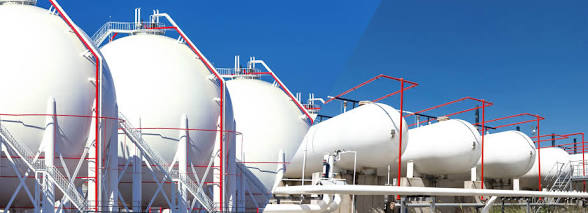
Interestingly, international LPG prices declined by 6.42 per cent during the latest review period. However, the reduction is not expected to provide immediate relief because the domestic market is still absorbing earlier cost increases.
Explaining the projected movements, COMAC stated:
“The projected adjustments reflect lower international refined-product prices, while higher LPG prices reflect the delayed pass-through of higher international prices from the previous window due to the tender arrangement.”
This distinction is important for consumers because the price displayed at a filling station may reflect costs incurred during an earlier period rather than only the most recent international market movements.
For households, the consequences could extend beyond the immediate cost of refilling cylinders. LPG is an important cooking fuel, and sustained increases could place additional pressure on household budgets, particularly among consumers who have shifted away from charcoal and firewood.
The development also raises questions about the affordability of clean cooking in Ghana. While expanding LPG consumption is part of the country’s efforts to improve access to modern cooking energy, significant price increases could discourage consistent use among price-sensitive households.
International Prices And The Cedi Support Motorists
The outlook for petrol and diesel is more favourable, largely because of lower international refined-product prices and a slower depreciation of the cedi.
COMAC reported that crude oil prices declined by 16.14 per cent to US$104.25 per barrel during the review period. International petrol prices fell by 16.30 per cent, while diesel prices declined by 5.13 per cent.
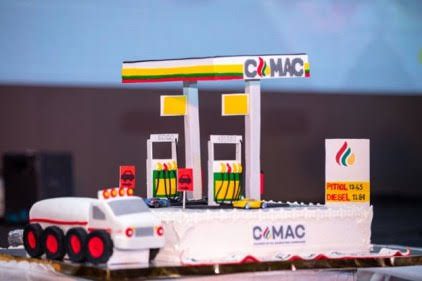
The chamber linked the international market correction to easing geopolitical risks, expectations of de-escalation in the Middle East and a recovery in OPEC+ production to 41.23 million barrels per day.
The Ghana cedi also recorded a marginal depreciation of 0.15 per cent between October 28 and November 11, limiting the additional pressure that exchange-rate movements could have placed on import costs.
For a country that relies heavily on imported finished petroleum products, these movements matter because domestic fuel prices are influenced by both international product costs and the exchange rate.
COMAC’s projections put petrol at approximately GH¢15.62 per litre under cash purchases, while diesel could fall to about GH¢18.15.
However, the expected reductions should not be interpreted as guaranteed pump prices. Individual oil marketing companies determine their retail prices within the applicable regulatory framework.
Price Floors Are Not Final Pump Prices
The NPA’s revised price floors establish the minimum prices at which petroleum products may be sold during the new pricing window. They do not represent the final amounts consumers will necessarily pay.
The Authority explains that the floors exclude premiums charged by International Oil Trading Companies, operating margins of Bulk Import, Distribution and Export Companies, and margins applied by Oil Marketing Companies and LPG Marketing Companies.
These charges are determined independently by the respective companies under the prescribed Petroleum Products Pricing Formula.
The distinction helps explain why petrol prices at some stations are already different from the NPA’s new minimum benchmark.
Star Oil, for instance, was selling petrol at GH¢15.55 per litre and diesel at GH¢18.37 ahead of the new window. Allied Oil was selling petrol at GH¢15.50 and diesel at GH¢18.20, while JP had reduced its prices to GH¢15.95 for petrol and GH¢18.35 for diesel.
The reductions by individual marketers demonstrate that competition and company-specific pricing decisions can influence how quickly international cost changes are reflected at the pumps.
The Wider Consumer Cost Implications
The second November pricing window presents a mixed outcome for Ghanaian consumers. Motorists could benefit from lower petrol and diesel prices, while households and businesses that depend on LPG may face higher operating costs.
The Government-industry intervention to moderate diesel prices also remains in place. COMAC says the value of the intervention has not changed for the new pricing window, maintaining the burden-sharing arrangement introduced in April 2026.
However, the expected LPG increase deserves particular attention because cooking energy affordability is closely linked to household welfare and the country’s clean-cooking ambitions.
The immediate challenge is not simply whether international petroleum prices are falling, but how quickly those movements are transmitted through procurement arrangements, import costs and domestic pricing decisions.
For policymakers and industry regulators, the latest adjustments highlight the need for greater consumer awareness of pricing components and closer attention to how international cost changes affect different fuel categories.
The reduction in petrol and diesel prices offers some relief, but the expected LPG increase shows that lower petroleum prices do not necessarily translate into cheaper energy for every consumer.
As the new pricing window takes effect, the impact on households will depend largely on how LPG marketers implement the projected adjustments and whether subsequent international price movements provide meaningful relief.
READ ALSO: McFadden Urges Labour MPs to Back Youth Welfare Reforms