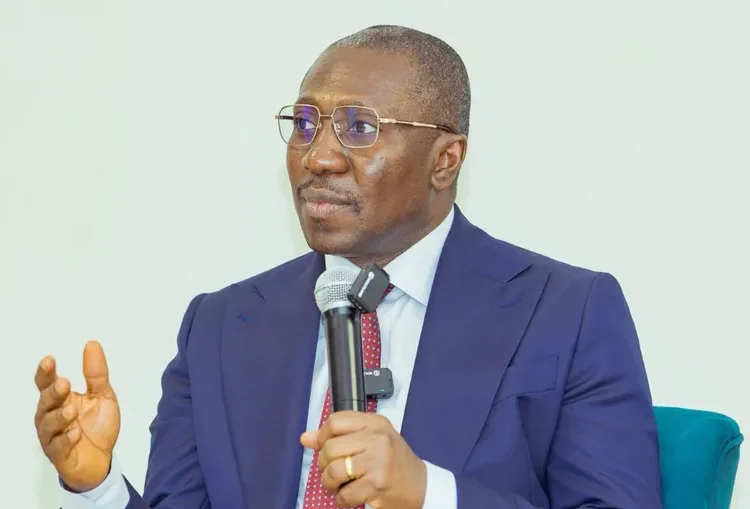
Minority Leader and Member of Parliament for Effutu, Alexander Kwamena Afenyo-Markin, has questioned the Mahama government’s decision to remove the collective portrait of the Big Six from Ghana’s newly unveiled banknotes, arguing that the change risks undermining recognition of the country’s independence struggle.
In a statement titled “You Can Change the Notes, But You Cannot Change the History,”Hon. Afenyo-Markin challenged the decision to retain only the portrait of Ghana’s first President, Kwame Nkrumah, while replacing the Big Six with other distinguished national figures.
He maintained that expanding recognition on the country’s currency should not require removing personalities whose contributions to independence are historically established.
“You can celebrate the fruit while pretending the tree never existed.”
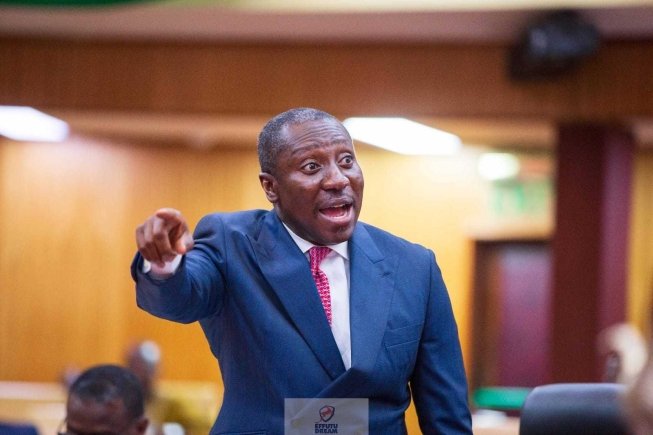
Minority Leader and MP for Effutu Constituency, Hon Alexander Kwamena Afenyo-Markin
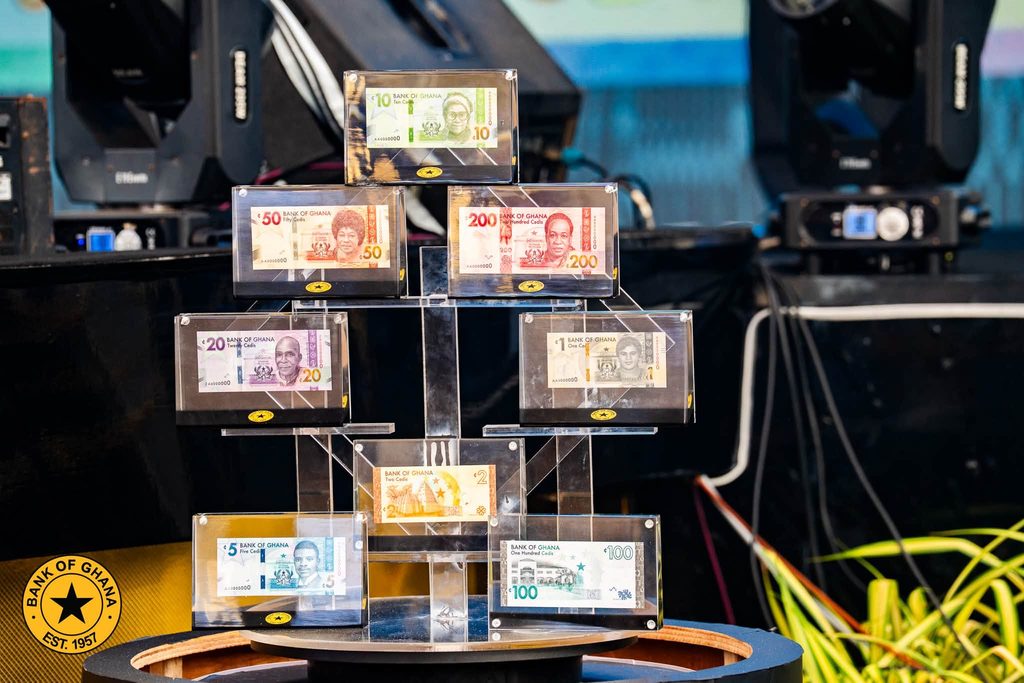
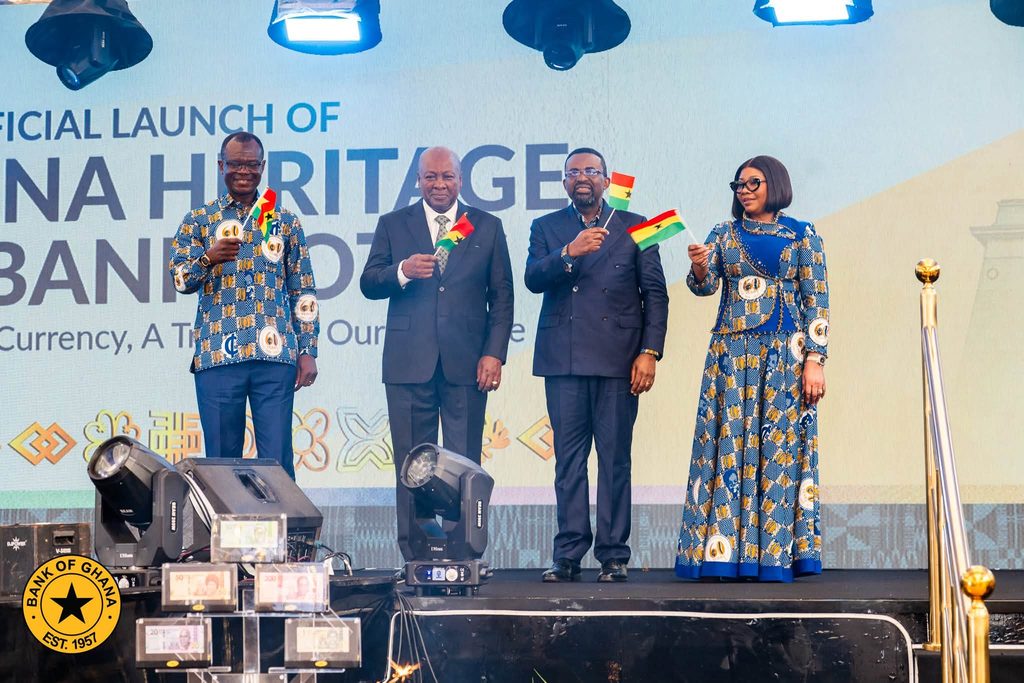
The Minority Leader’s comments follow the unveiling of the new banknote series last Thursday, ahead of Ghana’s 70th Independence Anniversary. His criticism centres on what he considers an inappropriate alteration of the country’s historical representation on its currency.
Afenyo-Markin Defends the Big Six’s Place on Currency
Hon. Afenyo-Markin argued that the Big Six earned their place in Ghana’s national history through their leadership in the independence struggle and their detention following the 1948 disturbances.
The six were leaders of the United Gold Coast Convention (UGCC), whose arrest and detention became a defining episode in the nationalist movement. The Minority Leader maintained that their historical significance predates the establishment of both the New Patriotic Party (NPP) and the National Democratic Congress (NDC)
He referenced the Watson Commission, which investigated the causes of the 1948 disturbances and examined the role of the UGCC and its detained leaders. The inquiry was followed by the Coussey constitutional process and reforms that contributed to the country’s movement towards independence.
According to Hon. Afenyo-Markin, these developments demonstrate that the Big Six’s place in Ghana’s history is not a creation of any contemporary political party. He also invoked Nkrumah’s autobiography, in which the former President acknowledged the group and mentioned its members.
The Effutu MP quoted Nkrumah’s reference to them: “The ‘Big Six’, as we came to be known.” He used that acknowledgement to challenge any suggestion that retaining the collective portrait was inconsistent with recognising Nkrumah’s contribution to independence.
Questions Historical Basis of the Currency Change
The Minority Leader recalled that the Big Six appeared together on Ghana’s redenominated banknotes introduced in 2007 under former President John Agyekum Kufuor and then Bank of Ghana Governor Paul Acquah, during the country’s Golden Jubilee celebrations
He rejected any suggestion that the collective portrait originated under former President Nana Akufo-Addo, arguing that the decision preceded his administration by several years. Hon. Afenyo-Markin also recalled that the Mills administration introduced the GH¢2 note bearing Nkrumah’s portrait alone while retaining the Big Six on other denominations.
He described the arrangement as an example of how Ghana could honour an individual national figure without removing the collective recognition of other independence leaders. For him, the new currency design raises questions about why the recognition of additional national personalities should come at the expense of the Big Six.
He welcomed the inclusion of distinguished Ghanaians such as Theodosia Salome Okoh, Ephraim Amu and former United Nations Secretary-General Kofi Annan. However, he questioned whether the country lacked sufficient space on its banknotes to recognise more national figures without removing those already represented.
Raises Questions Over Theodosia Okoh’s Portrait
Hon. Afenyo-Markin also addressed the controversy surrounding the portrait of Theodosia Salome Okoh, the designer of Ghana’s national flag. He cited concerns raised by her nephew, Dr Eddie Obeng, who reportedly believes that the image used on the new currency resembles his mother, Dr Letitia Obeng, rather than his aunt.
The Bank of Ghana has disputed the claim, maintaining that it used photographs of Mrs Okoh. Hon. Afenyo-Markin called for the central bank to publish the source photographs and engage the family to resolve the disagreement transparently. He argued that if an error had occurred, the Bank should acknowledge and correct it
He further recalled that the CPP government replaced Ghana’s national flag with the party flag in 1964, changing the gold stripe in Okoh’s original design to white. The original national flag was restored in 1966 following Nkrumah’s overthrow.
He argued that the controversy surrounding her portrait deserved careful attention because of her contribution to one of Ghana’s most recognisable national symbols.
Urges Inclusive Representation on National Currency
The Minority Leader maintained that Ghana’s currency should reflect the contributions of its citizens across political and historical traditions.
He referenced Chief Simon Diedong Dombo, whose leadership of the Northern People’s Party secured 15 seats in the 1956 election, giving northern interests representation during constitutional discussions preceding independence.
He also highlighted the contribution of Otumfuo Sir Osei Agyeman Prempeh II and his cooperation with J. B. Danquah in advancing a common constitutional framework for Asante and the Gold Coast Colony under the 1946 Burns Constitution.
Hon. Afenyo-Markin further argued that JB Danquah deserved recognition for his research and advocacy towards the adoption of the name Ghana for the independent Gold Coast
He maintained that national recognition should not be determined by political affiliation and urged President John Dramani Mahama to ensure that the new currency reflects the breadth of the country’s history.
The debate follows the Bank of Ghana’s introduction of the new heritage currency series, which has attracted public reactions, including Togbe Afede XIV’s description of the series as a cultural milestone.
Hon. Afenyo-Markin concluded that while the government could change the personalities displayed on banknotes, it could not erase the historical contributions of the Big Six.
READ ALSO: Analyst Backs 2027 Budget’s Build Focus, Flags Gaps