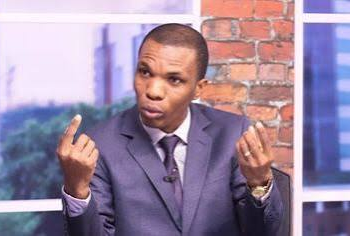
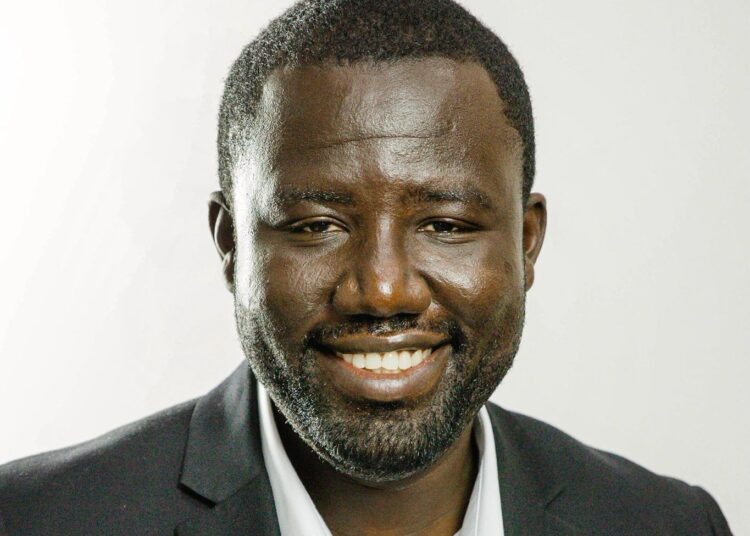
Data and Policy Analyst Alfred Appiah has backed the 2027 Budget’s shift from stabilising the economy to building, but warns that execution, revenue, and growth assumptions will determine whether it works. He spoke to The Vaultz News about the budget that Finance Minister Dr Cassiel Ato Forson presented to Parliament on Thursday, November 12, 2026.
Mr Appiah explained that capital expenditure is projected to double to GH¢100.4 billion and that Ghana plans, for the first time since 2013, to spend more on projects than on interest. He also flagged a growth forecast that he could not reconcile with the budget’s own oil revenue table.
“I think the shift from fixing the books to investing in growth is the right direction. Ghana cannot build a strong economy on wages and interest payments alone.”
Alfred Appiah, Data and Policy Analyst
Capital Spending Set to Double in 2027
Under the budget, 27 of every 100 cedis the government spends will go to capital projects, against fewer than 9 cedis in 2025, Mr Appiah noted. More than GH¢50 billion of the total is expected to go to the New Economy and the Big Push. The government says that after two years of stabilisation, it is ready to invest in productive sectors to create meaningful jobs.
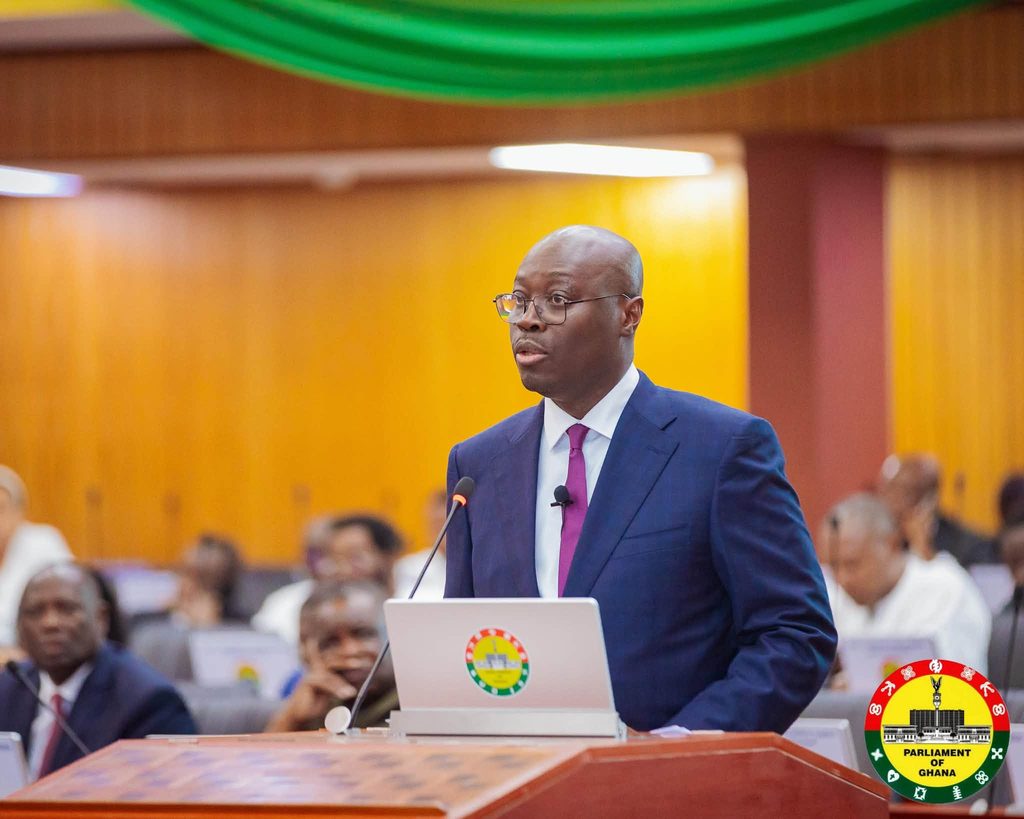
The scale breaks every earlier record. Before this year, Ghana’s highest annual capital spending was GH¢29.4 billion in 2024. By October 2026, the government had already spent GH¢41.4 billion, with full-year spending projected at about GH¢51 billion, so the 2027 plan roughly doubles it.
Dr Forson’s own statement puts capital spending at GH¢98.3 billion, as in the budget’s capital expenditure plan. The money flows to programmes such as the Big Push and the $10 billion New Economy programme.
Alfred Appiah put the shift in context. In 2021, almost half of every cedi the government collected in revenue went to interest payments. In 2027, he noted, that share is expected to fall below 19 cedis out of every 100, which frees room for projects.
Execution Record Improves, but Gaps Remain
He stressed that a budget on paper means little until the money is spent. In 2025, the government executed only 62 percent of its planned capital spending. Preliminary data show an improvement in 2026, with capital expenditure reaching 91 percent of target by October.
Alfred Appiah cautioned that “we have announced ambitious capital budgets before.” What matters now, he argued, is how much of the GH¢100 billion gets spent, how contracts are awarded and whether revenue keeps pace without more domestic borrowing.

The government says full funding for the Accra-Kumasi Expressway is in place, and its tender will show how contract awards work. Alfred Appiah warned that the plan leans on strong revenue.
Revenue must grow by 18 percent, while the economy is projected to grow by about 13 percent in nominal cedi terms. VAT alone is expected to bring in an extra GH¢9.3 billion.
The collection record gives cause for caution, he noted. By October, VAT collections had reached only 88 percent of target and excise collections 64 percent. Public debt has also risen to 47.5 percent of gross domestic product (GDP), above the government’s own 45 percent debt anchor.
Growth Forecast Raises an Unanswered Question
Alfred Appiah singled out one figure he could not reconcile. The budget projects growth of around 5 percent a year before a jump to 8 percent in 2030, a target the government has described as a jobs boom and 8 percent growth.
That acceleration depends partly on oil and gas output rising by 55 percent in one year. Yet the budget’s own table shows oil revenue declining every year through 2030. “The Ministry needs to explain this,” Appiah stated.
Alfred Appiah argued that the budget should be judged by the types of jobs it creates and not just their number. Unemployment stood at about 12.8 percent in 2025, and the government targets a fall below 8 percent by 2030.
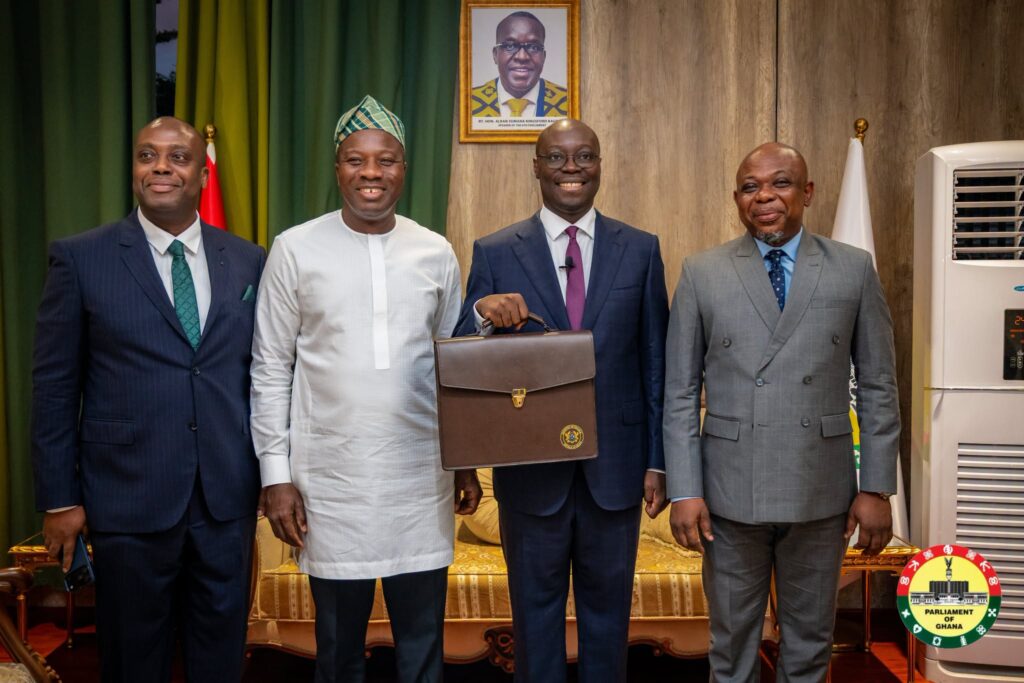
Many working Ghanaians, he noted, still hold low-paying, insecure and informal jobs, without contracts, pensions or protection when things go wrong. “The real test is whether this spending moves people into stable, productive and better-paid work.”
That outcome, in his view, is what would make households less vulnerable to the next economic shock. The 24-Hour Economy secretariat says it is working through jobs projects after one year, and the first quarters of 2027 will show how much of the planned spending reaches factories, farms and roads.
READ ALSO: Eisenkot Demands Netanyahu’s Exit Over Election Interference Claims