Two new studies by the United Nations High Commissioner for Refugees (UNHCR) and the University of Oxford have found that cuts in humanitarian funding are exposing refugees, particularly children, to greater risks of trafficking, exploitation and abuse as essential protection services face mounting pressure.
The studies, which examine conditions in Bangladesh and Ethiopia, warn that simultaneous cuts to protection programmes and basic assistance, including shelter and education, are weakening safeguards for millions of displaced people.
Both countries host more than one million refugees and asylum-seekers.
UNHCR Director of International Protection and Solutions, Elizabeth Tan, stated that protection services remain among the most effective measures for preventing trafficking.
“When they are cut, vulnerabilities deepen, and traffickers find it easier to prey on people already at risk. Investing in protection now prevents future exploitation.”
Elizabeth Tan
Bangladesh Records Rise in Trafficking
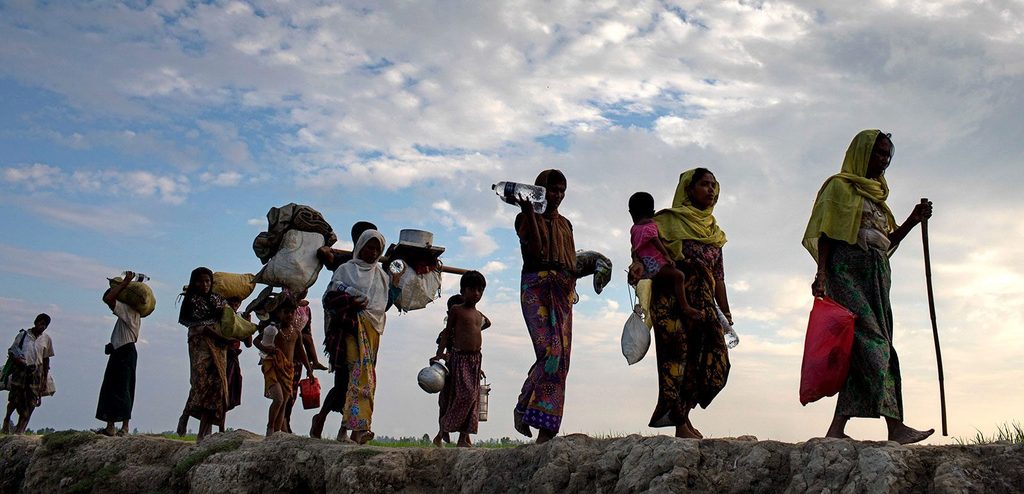
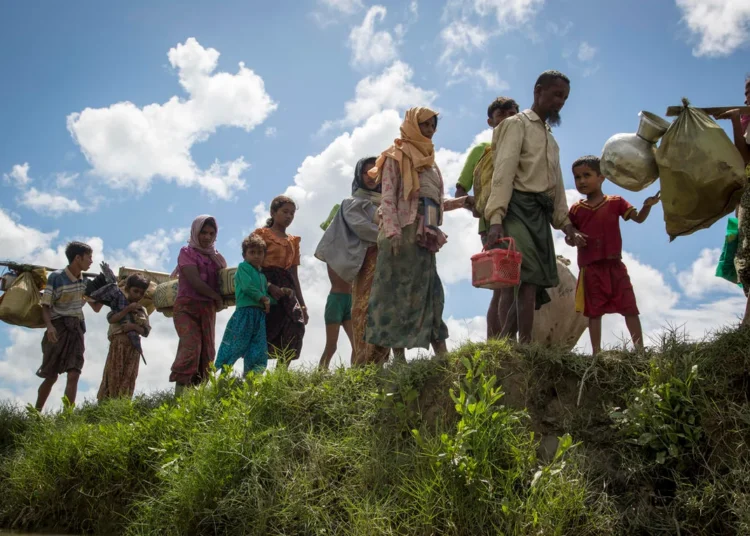
Bangladesh, which hosts more than 1.1 million Rohingya refugees from Myanmar in the world’s largest refugee settlement near Cox’s Bazar, is experiencing a growing trafficking threat amid mounting pressure on humanitarian resources.
Detected trafficking cases increased by 28 per cent between 2024 and 2025, while children accounted for 17 per cent of victims, compared with 14 per cent in the previous year.
Between January and September 2026, authorities and humanitarian partners identified 411 trafficking victims, nearly 23 per cent of whom were children.
The rising figures coincide with an increase in the refugee population and declining financial support for humanitarian operations. Between 2024 and 2025, the Rohingya population in Bangladesh grew by approximately 17 per cent, representing more than 170,000 additional people.
However, UNHCR’s operational budget declined by more than eight per cent in 2025, leaving the agency facing a 59 per cent funding gap.
Living conditions have also deteriorated, further exposing refugees to protection risks. Approximately 88 per cent of Rohingya households reported that their shelters were deteriorating, while almost none of the newly arrived refugees could secure individual housing.
Access to safe water also declined, falling from 33 litres per person per day to 23 litres, adding to the difficulties facing families already dependent on humanitarian assistance.
The study suggests that the combination of overcrowded living conditions, inadequate shelter and shrinking protection services is creating an increasingly difficult environment for refugees, particularly children and other vulnerable groups.
Ethiopia’s Child Protection Services Under Pressure
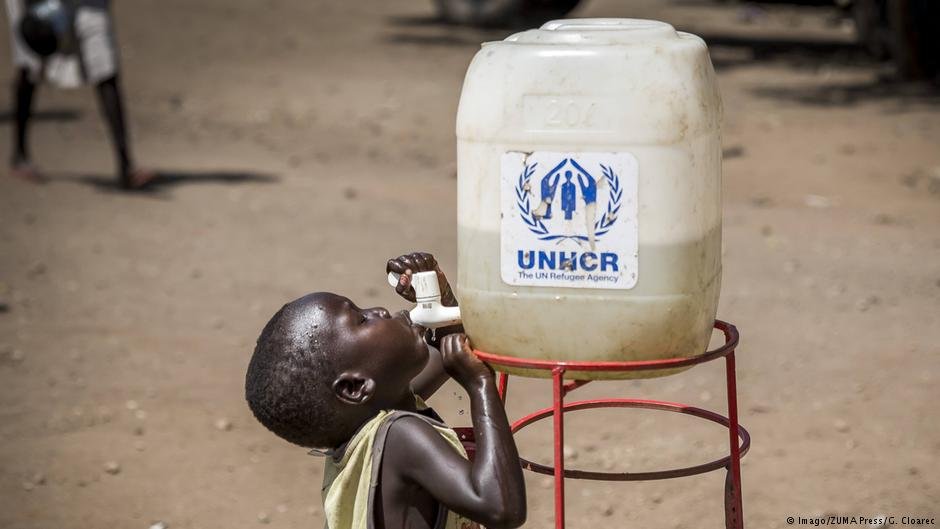
In Ethiopia, humanitarian funding reductions have significantly weakened services designed to protect refugee children, who account for 52 percent of the country’s approximately 1.1 million refugees.
The refugee population includes people displaced from South Sudan, Somalia, Eritrea and Sudan, among them approximately 31,000 children who have been separated from their parents or guardians.
UNHCR’s Ethiopia operation received less than one-third of its required funding in 2025, while only 18 percent of planned child protection needs were covered.
The financial shortfall has affected essential services for children separated from their families. Support for family tracing and reunification fell by more than half between 2024 and 2025, declining from 4,071 children supported to 1,887.
Alternative care arrangements for unaccompanied children and programmes designed to strengthen families also declined by approximately half, leaving fewer support systems available to children without parental care.
Education has experienced similar pressures, with funding shortages affecting 57 primary schools serving approximately 110,000 refugee children.
The reduction in educational access and family support programmes has compounded the difficulties facing displaced children, particularly those without stable guardianship or adequate protection.
Children Face Growing Exploitation Risks
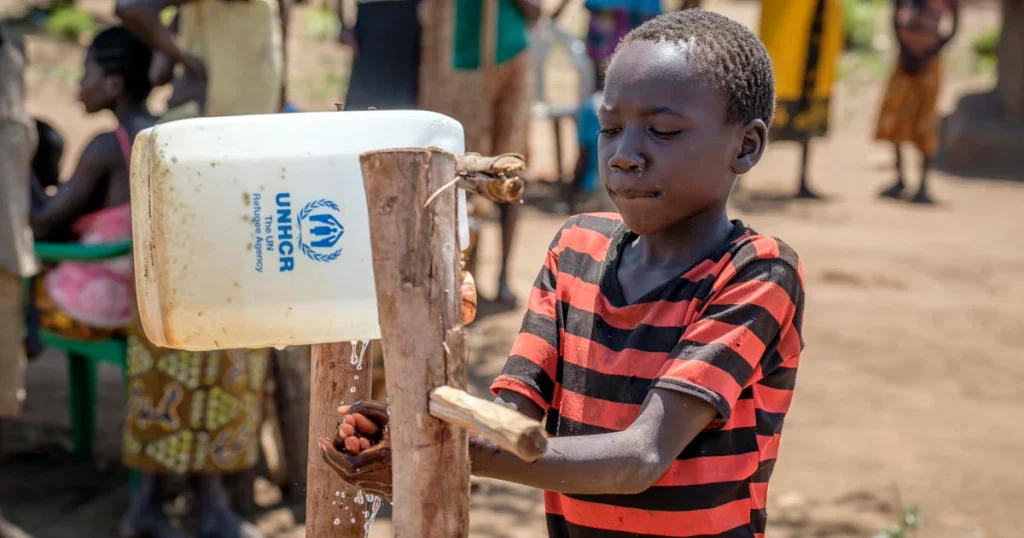
The two studies also highlight growing concerns about child labour and other forms of exploitation as humanitarian services become increasingly constrained.
Recent field observations cited by the report’s authors indicate a worrying rise in refugee children entering hazardous work, including agricultural activities and informal mining.
Children who have fled without their families, those separated from their parents or guardians, and girls are considered particularly vulnerable to exploitation, sexual violence, child marriage and trafficking for forced labour and sexual exploitation.
According to Professor Andrew Thompson of the University of Oxford, “the results are very sobering, and a stark warning to the international community as to what may transpire if vital prevention and protection services for refugees remain under-resourced.”
The researchers argue that sustained, flexible and predictable humanitarian funding is essential to maintaining protection systems and preventing further exploitation.
The scale of the funding shortfall is also evident in UNHCR’s global programmes. As of July 2026, its child protection activities were only 25 percent funded, while programmes addressing and preventing gender-based violence had received just 24 percent of their required resources.
UNHCR maintains that investment in refugee and child protection is not simply a humanitarian obligation but also an important means of preventing conflict, strengthening community resilience and supporting durable solutions for displaced populations.
READ ALSO: Mahama Pushes Private Sector Investment to Drive Ghana’s New Economy