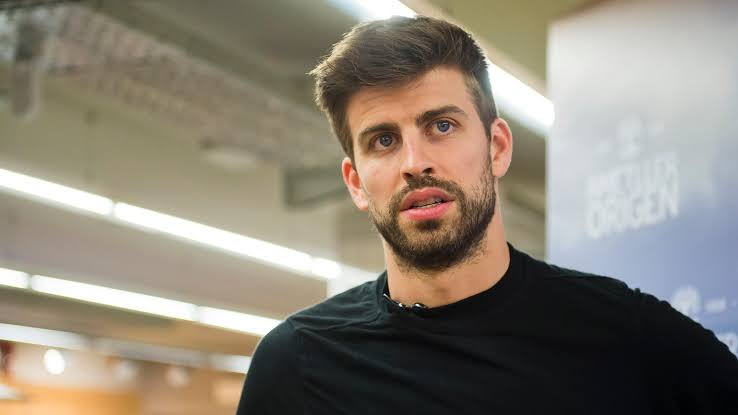
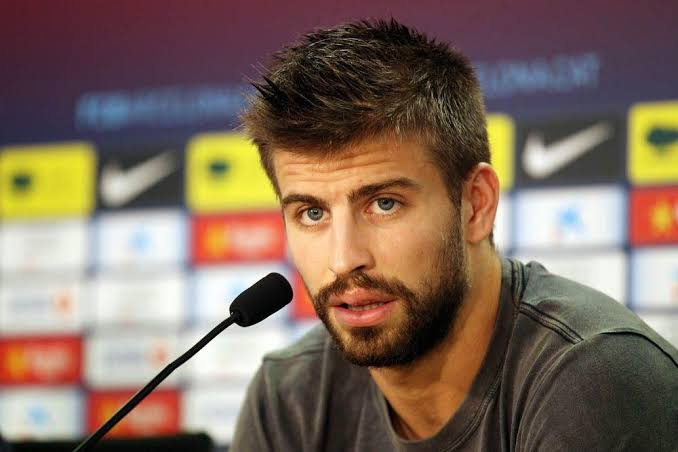
Former Barcelona defender Gerard Pique has questioned the 12-match suspension handed to FC Andorra goalkeeper Jesus Owono following the fatal on-field collision that claimed the life of Tenerife striker Jesus de Miguel.
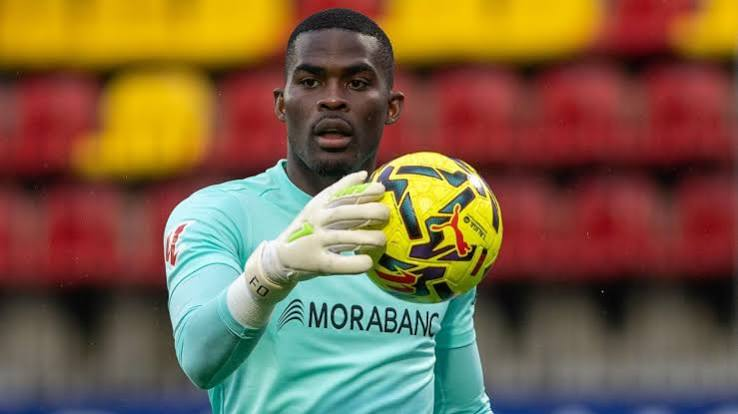
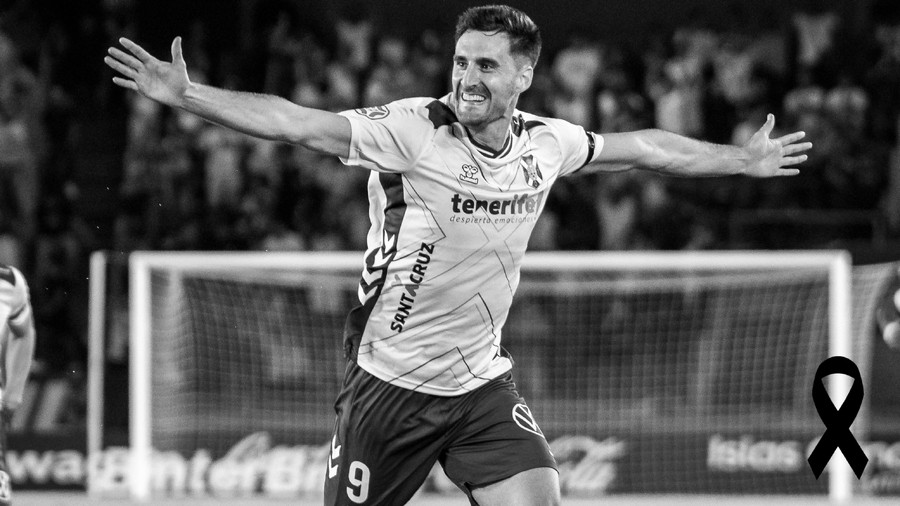
The Equatorial Guinea international was dismissed after colliding with De Miguel during a Spanish second-division fixture between Andorra and Tenerife on November 2. The Tenerife forward was taken for medical attention but died the following day at the age of 30.
The goalkeeper was subsequently slapped with a 12-game ban.
Pique, who owns FC Andorra, believes the punishment imposed on Owono is harsh, arguing that the goalkeeper should not be held responsible for the tragic outcome of an accidental collision. “I truly believe that imposing the maximum sanction on Jesus for this action puts him in a situation he does not deserve, because he is not to blame for all of this having happened,” Pique said in a video shared on social media.
The Spanish football federation’s disciplinary committee confirmed the 12-match suspension last week, making it the maximum punishment available under the regulations for the offence committed during the encounter.
However, Pique believes the circumstances surrounding the incident require a broader consideration of what disciplinary authorities should punish, particularly when an on-field challenge produces consequences far beyond what a player could have anticipated.
The former Spain international also revealed that Owono has received considerable support from fellow professionals, with current and former players, coaches and goalkeepers viewing the collision as an “unfortunate accident” rather than deliberate misconduct.
Pique Questions Disciplinary Consistency
Pique’s criticism centres on the distinction between punishing a player’s actions and holding them accountable for the consequences of those actions.
He pointed to another incident in Spanish football involving Albacete winger Jose Corpas and Sabadell midfielder Quadri Liameed to illustrate what he considers a difficult question for disciplinary authorities.
During a Spanish second-division fixture, Corpas accidentally kicked Nigerian midfielder Liameed in the head, leaving him unconscious and requiring hospital treatment.
Liameed was subsequently discharged after undergoing medical examinations, while Corpas received a straight red card and was handed a three-match suspension.
Pique acknowledged that the outcome of the incident involving Liameed was considerably different from what happened to De Miguel but questioned whether disciplinary decisions should be influenced by the severity of the eventual consequences.
“Fortunately Quadri is fine, the consequences in this case were not fatal, and the committee decided to sanction Corpas with three matches. With all this, my reflection is: what is being sanctioned, the action or the consequences?”
Gerard Pique, FC Andorra Owner
His comparison highlights the difficulty of applying disciplinary regulations when similar on-field incidents produce vastly different outcomes.
The federation’s disciplinary committee maintained that its decision concerning Owono was based on the offence committed during the match and not the tragic death that followed.
Tenerife manager Alvaro Cervera had also acknowledged the limitations of the existing regulations following the announcement of the suspension. While accepting that the rules did not specifically provide for such an extraordinary situation, he admitted that the 12-match punishment “might feel light“.
Owono Struggling With De Miguel’s Death
Beyond the disciplinary debate, Pique believes the psychological impact of the tragedy will remain a significant challenge for the goalkeeper.
Owono has previously admitted that coming to terms with De Miguel’s death has been extremely difficult, underlining the emotional burden he has carried since the incident.
The 25-year-old has withdrawn from Equatorial Guinea’s squad for their Africa Cup of Nations qualifying fixtures against Zimbabwe this month as he continues to deal with the aftermath.
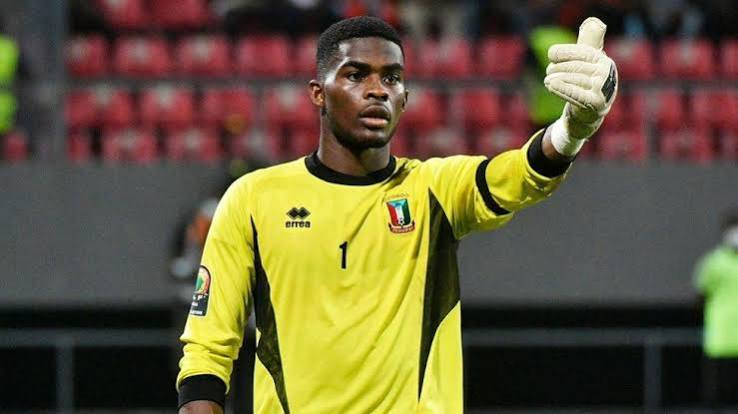
Pique believes the goalkeeper will require considerably more time away from football than the duration of his suspension before he can comfortably return to competitive action. “Jesus is going to need far more than 12 matches before he is available and able to compete,” the former Barcelona defender added.
His comments suggest that serving the suspension alone will not necessarily mean Owono is ready to resume his professional career, given the emotional circumstances surrounding the incident.
Pique Pays Tribute to De Miguel
While defending Owono against what he considers an excessive punishment, Pique was equally clear that no disciplinary decision could reverse the loss suffered by De Miguel’s family, teammates and the wider Tenerife community.
The tragedy has left a difficult situation for everyone involved, particularly the two clubs, whose players and officials have had to deal with the consequences of an incident that unfolded during an ordinary football match.
Pique stressed that the focus should not be limited to the punishment imposed on the goalkeeper, especially when the circumstances suggest that the collision was accidental.
He ended by acknowledging the irreparable loss suffered by De Miguel’s loved ones, recognising that no number of matches served by Owono could provide an adequate response to the tragedy. “No sanction is going to bring De Miguel back to us,” Pigue concluded.
The incident has reignited discussions about the limits of football’s disciplinary framework and how governing bodies should approach extraordinary situations in which accidental challenges result in fatal consequences.
READ ALSO: NDC Regional Elections: Analyst Blames “Perceived Arrogance” For Ashie Moore’s Defeat