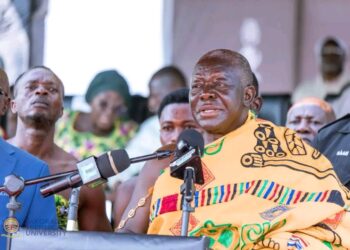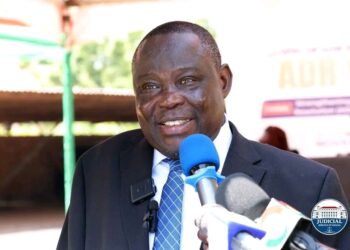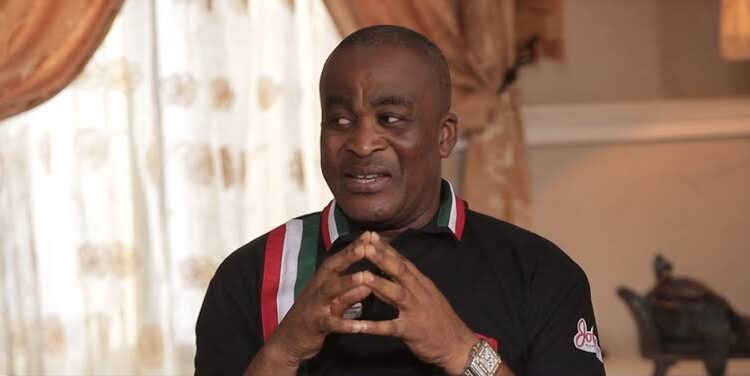
In the recent New Democratic Congress (NDC) regional executive elections, former Adentan Member of Parliament Emmanuel Nii Ashie Moore lost his bid to retain the Greater Accra Regional Chairmanship to Benjamin Danso, who polled 515 votes against his 295. The defeat brings an end to Mr Ashie Moore’s tenure, which began in November 2022 when he defeated Former Regional Chairman Joseph Ade Cooker.
Political Analyst and Lecturer Dr Jonathan Asante Otchere has attributed the outcome partly to dissatisfaction among delegates with Mr Ashie Moore’s leadership style, alongside concerns about his involvement in a criminal case.
“We have a section of delegates who do not necessarily follow or read such matters closely, so their decisions are often influenced by perceptions. One thing that really worked against him, I believe, was the perception among delegates that he was very arrogant.”
Dr Jonathan Asante Otcher
In addition, the Political Analyst observed that the former chairman might have become complacent after leading the NDC to a strong electoral performance in Greater Accra in 2024, an achievement that potentially influenced his assessment of the support he continued to command.
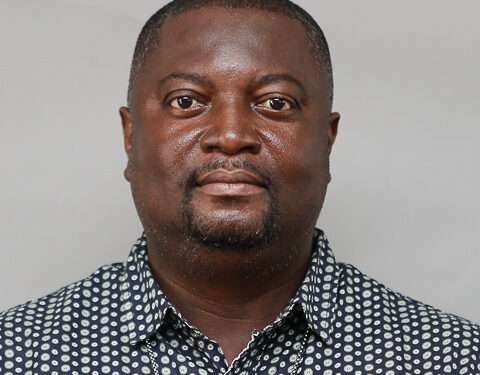
Dr Otchere also identified the Attorney General-related controversy involving Mr Moore as another consideration that affected his standing among delegates.
Some individuals he interviewed reportedly viewed the matter negatively, although the analyst cautioned against interpreting the allegations as proof of guilt. “This is not to suggest that he is guilty. He will always have his day in court,” he emphasised the distinction between legal culpability and the influence of public perception on electoral decisions.
In addition, Dr Otchere disputed suggestions that a campaign poster featuring Emmanuel Nii Ashie Moore and the President, His Excellency John Mahama’s name was decisive in Mr Moore’s defeat. He characterised such explanations as “speculative” arguing that the available polling information does not establish a sufficiently significant difference to explain the scale of the electoral outcome.
He consequently pointed to “a changing political disposition within the NDC, with delegates increasingly shifting their allegiances towards emerging centres of influence.” The Political Analyst also observed that the party appears determined to chart a different course, particularly in its choice of regional leadership.
According to Dr Otchere, some delegates believe the party could not disregard the allegations surrounding Mr Moore while attempting to establish a new political direction. Others, he explained, feel that delegates deserve greater respect, irrespective of their economic circumstances.
Analyst Tasks New Greater Accra NDC Chairman With Restoring Unity
Beyond the circumstances surrounding Emmanuel Nii Ashie Moore’s defeat, newly elected New Democratic Congress (NDC) Greater Accra Regional Chairman Benjamin Danso faces the task of consolidating support across the region with respect to preparations ahead of the 2028 elections.
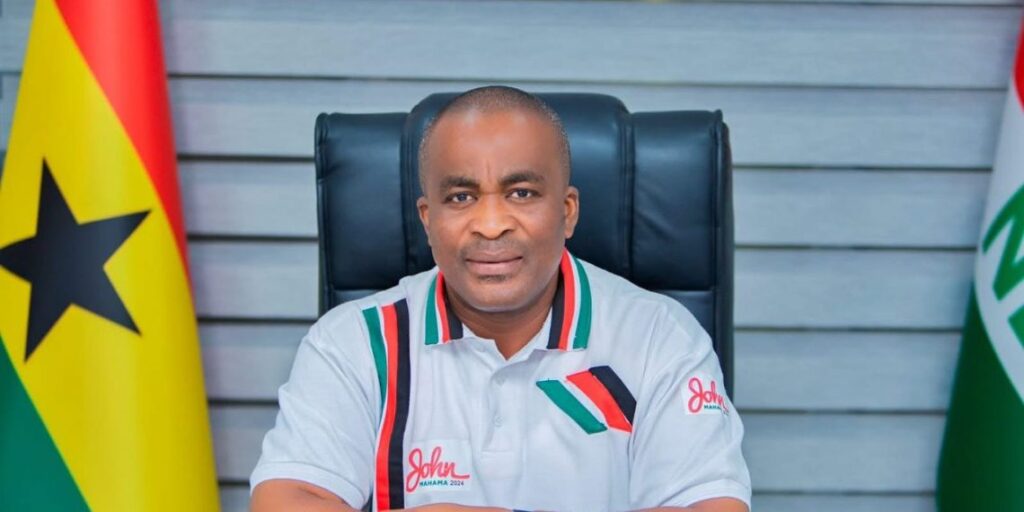
Political Analyst and Lecturer, Dr Jonathan Asante Otchere believes the new chairman’s ability to restore confidence, encourage consultation and secure cooperation from the national party will prove consequential.
“I expect that at the national level, they work a little harder to ensure that they don’t get divided because Greater Accra is very important when it comes to floating voters and when it comes to those who decide who wins the elections in 2028.”
Dr Jonathan Asante Otchere
The Political Analyst observed that assuming regional leadership while one’s party occupies national government comes with considerable political exposure. Owing to the electorate’s expectations, Danso will have to contend with dissatisfaction over issues such as unemployment and the perceived performance of the administration, which could influence how voters assess the party’s leadership.
Preparations For The 2028 Elections
Nevertheless, Dr Otchere believes the emergence of a new regional chairman presents “an opportunity to renew the relationship between the party and its supporters.” He proposed “extensive consultation” as an essential first step, arguing that Mr Danso must establish trust among delegates and members while demonstrating that the change in leadership can produce a more responsive regional organisation.
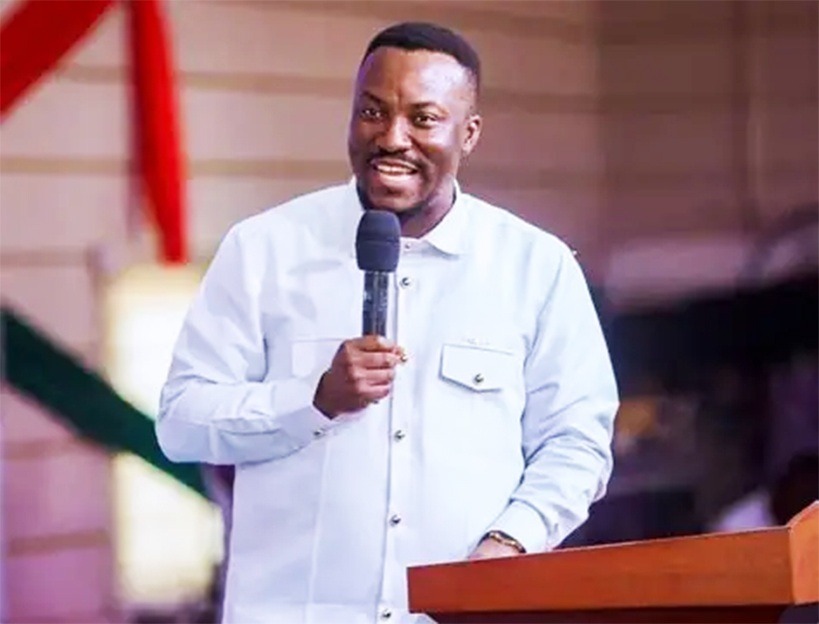
The lecturer further pointed to developments in the Central and Western regions, where he identified divisions that could require intervention from the national leadership. He referenced the differences in electoral figures across the regions as an indication that the NDC could not rely exclusively on regional executives to secure cohesion.
Accordingly, he argues that the national party must provide the necessary support to prevent internal disagreements from weakening its electoral prospects. Greater Accra, he emphasised, requires particular attention because of its influence on the national contest.
Dr Otchere also cautioned against interpreting Mr Moore’s decisive defeat as evidence that the former chairman no longer commands support within the party. Although Benjamin Danso has secured the regional position, the analyst believes the NDC must make deliberate efforts to prevent the contest from leaving lasting divisions among members.
READ ALSO: 2027 Budget: Analyst Calls For AI Expansion to Boost Ghana’s Revenue