Zijin Golden Ridge Limited, operators of the Akyem Gold Mine in the Birim North District of Ghana’s Eastern Region, has reaffirmed its commitment to sustainable and responsible mineral extraction following an official working visit by the Ministerial Advisory Board of the Ministry of Lands and Natural Resources (MLNR)
The engagement underscored the mining giant’s resolve to uphold strict environmental standards, deliver long-term socio-economic value, and foster inclusive development for both host communities and the broader Ghanaian economy.
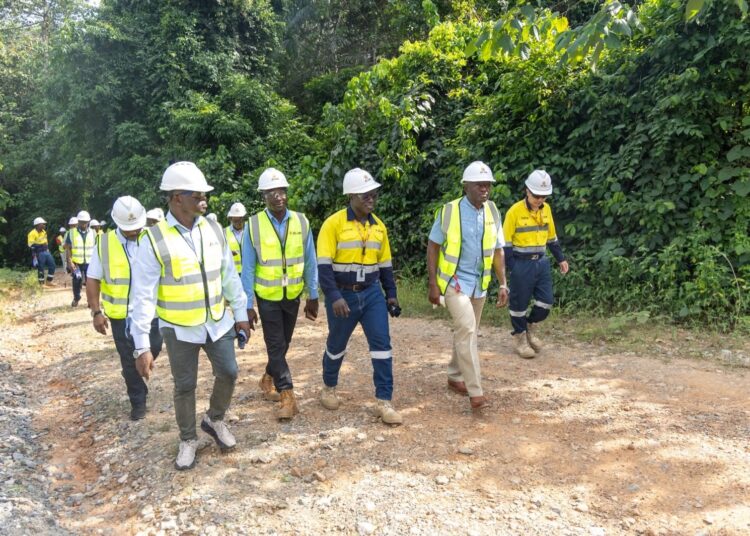
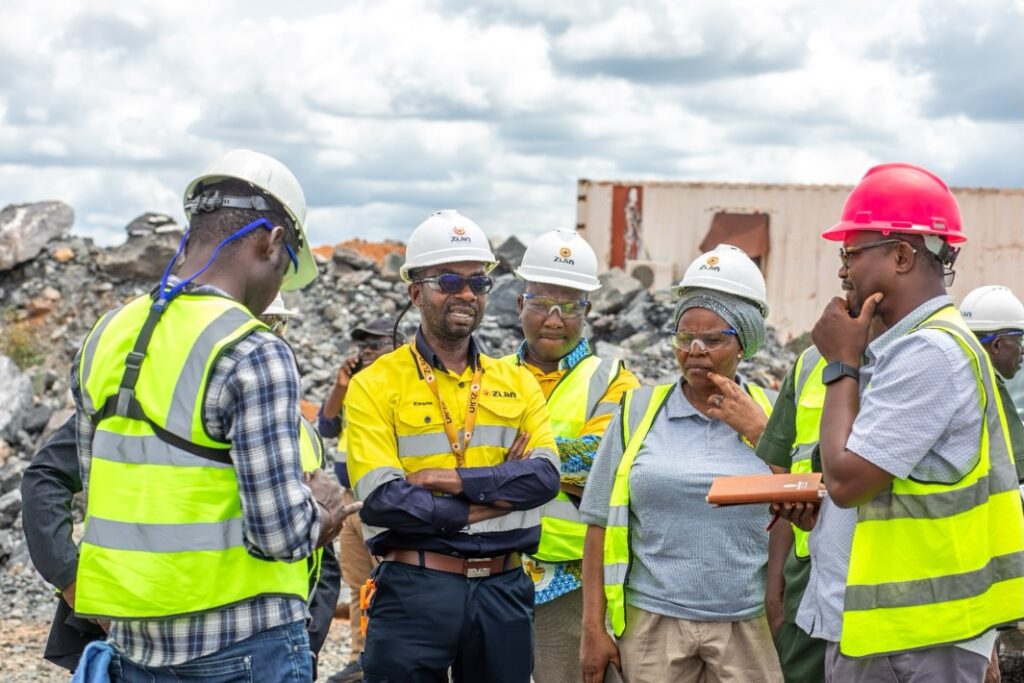
The high-powered delegation, joined by technical regulators from the Minerals Commission and enforcement personnel from the National Anti-Illegal Mining Operations Secretariat (NAIMOS), conducted a comprehensive inspection of critical operational zones across the concession.
During the site tour, officials examined the main open-pit mining area, assessed the structural integrity and environmental safeguards of the tailing’s storage facility, and reviewed ongoing ecological restoration work at the company’s dedicated reforestation project.
“Zijin is the first company where the members have visited, and I must say that it has been educative and instructive… they are all impressed with how you have conducted the mine so far.”
Hon. Alhaji Collins Dauda, Member, MLNR Ministerial Advisory Board.
Strengthening Oversight and Institutional Synergy
The presence of both regulatory and enforcement bodies alongside the Ministerial Advisory Board reflects a deliberate national strategy to bridge policy formulation with field-level compliance across Ghana’s extractive landscape.
Having assumed operational control of the Akyem asset in April 2025 following a landmark US$1 billion acquisition from Newmont, Zijin has faced heightened scrutiny to demonstrate that large-scale international operators can balance commercial productivity with rigorous ecological stewardship.
Industry analysts note that joint inspections involving the Minerals Commission and NAIMOS the operational nerve center established to combat illegal mining and safeguard forest reserves serve a dual purpose.
Beyond verifying adherence to statutory environmental impact protocols, such visits allow policymakers to benchmark best practices in tailings management and progressive land reclamation.
By opening its pit operations and environmental containment infrastructure to immediate scrutiny, the operator signaled transparency at a time when public demand for mining accountability in Ghana is at an all-time high.
During technical briefings on site, management highlighted that “maintaining world-class tailings engineering and proactive land rehabilitation” remains central to its operational license, noting that ecological recovery is treated as a continuous process rather than a post-closure obligation.
Regulators observed how progressive reforestation efforts are actively restoring degraded peripheral lands, offering a practical blueprint for mitigating the environmental footprint of open-pit extraction.
Why Responsible Mining Initiatives Are Critical for Ghana
The urgency surrounding responsible mining practices in Ghana cannot be overstated, particularly as the country navigates severe environmental pressures caused by unregulated extractive activities.
Across major mineral belts in the Eastern, Western, and Ashanti regions, illegal small-scale mining locally known as galamsey has devastated river basins, polluted water treatment systems, and depleted vast stretches of protected forest cover.
Consequently, large-scale commercial mines must operate as islands of environmental integrity and regulatory discipline to sustain public trust in the sector.
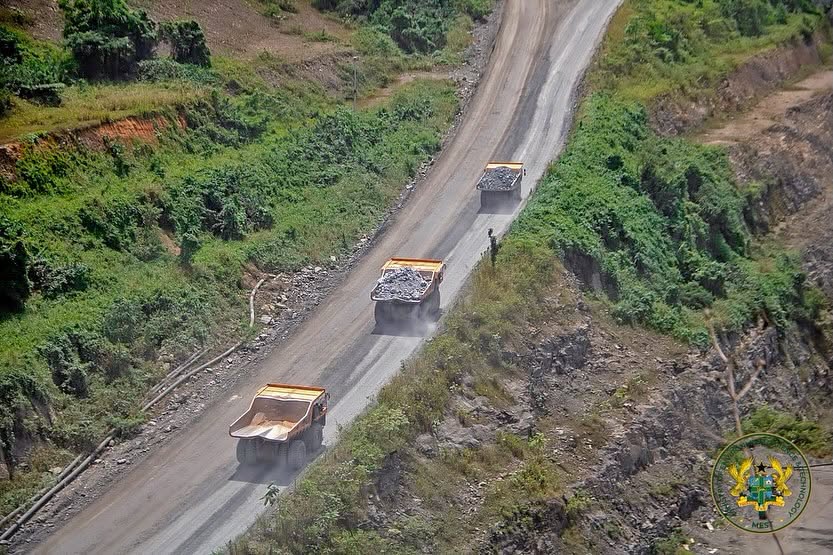
Furthermore, tailings storage facilities represent one of the highest environmental risk vectors in modern gold production.
Any breach or seepage can trigger catastrophic contamination of groundwater and agricultural lands, directly threatening rural livelihoods in farming districts like Birim North.
Rigorous oversight of containment engineering, water recycling systems, and chemical management is therefore essential to prevent ecological disasters and protect community health.
At the macroeconomic level, Ghana’s ongoing sector reforms emphasize retaining greater domestic value while enforcing strict environmental, social, and governance (ESG) benchmarks.
International bullion markets and institutional financiers increasingly penalize gold linked to environmental degradation or weak governance.
Ensuring that major producers adhere to globally recognized sustainability standards protects Ghana’s sovereign reputation, secures long-term foreign direct investment, and guarantees predictable fiscal inflows through royalties and corporate taxes.
Securing Community Legacy and Sustainable Employment
Beyond environmental compliance, discussions between the Ministerial Advisory Board and mine leadership centered heavily on post-mining legacy and local job creation.
In resource-rich districts, the historical failure of extractive projects to translate mineral wealth into durable community infrastructure and diversified livelihoods has frequently fueled local agitation and social friction.
In expressing appreciation for the Board’s strategic counsel, Zijin emphasized its dedication to “responsible mining that leaves lasting value for Akyem and for Ghana.”
Since taking over operations, the company has channeled hundreds of millions of dollars into local procurement and state revenues while rolling out targeted youth apprenticeship programs, employment clinics, and healthcare support across Birim North.
The Board’s guidance reinforces the expectation that corporate social investment must evolve beyond short-term philanthropy toward structural economic empowerment.
By prioritizing local content, technical skills transfer, and sustainable land reclamation, the Akyem operation aims to ensure that when mineral reserves are eventually exhausted, host communities inherit resilient local enterprises, restored ecosystems, and a skilled workforce capable of driving non-mining economic growth.
READ ALSO: Black Meteors Overturn Libya Deficit to Reach U-23 AFCON Final Qualifying Round