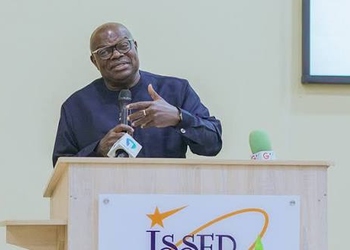
The Chief Executive Officer of the University of Ghana Enterprises Limited (UGEL), Yawo Agbesi, has outlined the financial obligations confronting the company as it seeks to maintain ageing university hostels.
He explained that UGEL has reduced an inherited loan obligation from approximately GH¢210 million but the outstanding debt continues to compete with maintenance expenditure and utility bills.
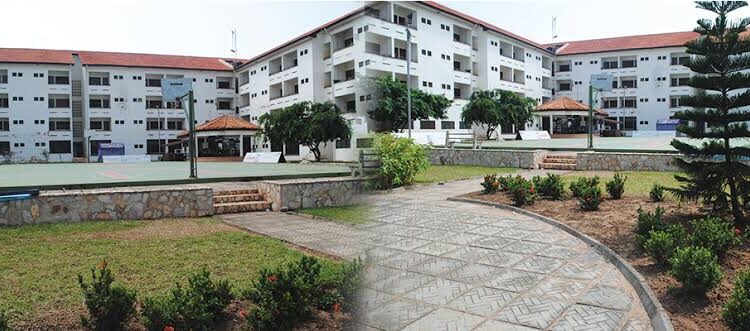
Mr Agbesi traced the loan to the construction of four diaspora hostels, explaining that the university’s investment company initially secured the facility from a consortium of banks. The arrangement envisaged that revenue collected from students’ accommodation fees would be used to repay the loan.
“And we’ve paid part of the 210 million but we have about 70 million, which we have to pay over the next two to three years.”
Yawo Agbesi
However, the repayment arrangement encountered difficulties after a disagreement emerged over whether the Government should assume responsibility for the loan, given that the hostels were regarded as private assets. The matter eventually proceeded to court, where a settlement agreement required the establishment of a separate private company to manage the facilities, collect revenue and repay the lending consortium.
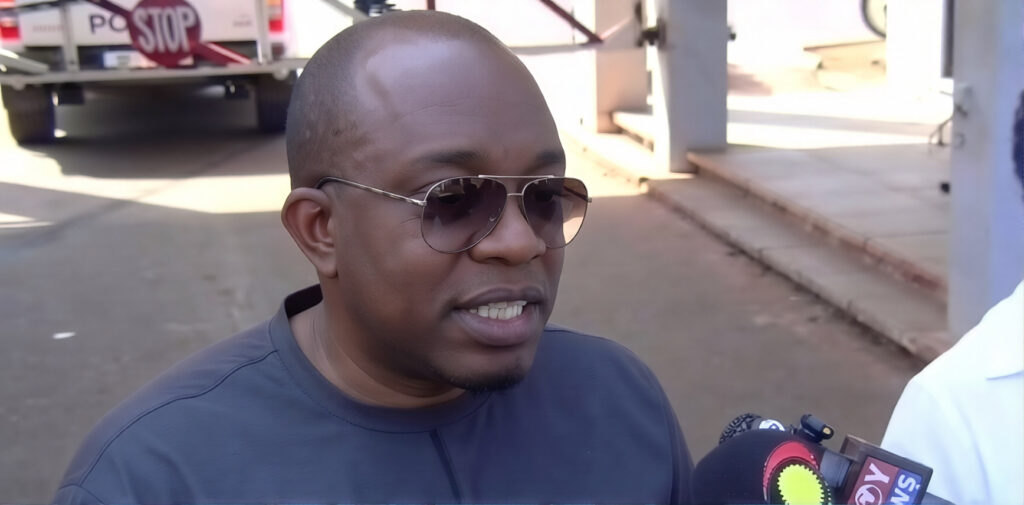
According to the CEO, University of Ghana Enterprises Limited emerged from that arrangement to undertake the management responsibilities. He indicated that the company must pay GH¢38 million towards the loan in 2026, although its remaining obligation may require an extension of the repayment schedule.
Mr Agbesi explained that settling the debt within the anticipated period would be difficult if the company also has to finance essential repairs and meet its utility expenses. He therefore proposed “returning to the consortium of banks to negotiate an extension” allowing UGEL to meet its competing financial commitments.
“Because we have to pay for the loan, pay maintenance as well on the facilities that we are managing, you know, in addition to the fact that we also have to pay our utility bills, then we realise that the cash flows that was left would not be adequate.”
Yawo Agbesi
Meanwhile, the CEO addressed questions about the US$16 million reportedly spent on hostel renovations for the 2023 African Games. He clarified that the funds “never passed through UGEL” although some works, including the installation of air conditioners and boilers, were undertaken at the facilities.
Furthermore, the Chief Executive Officer explained that, “UGEL transfers only 48 percent of its utility bills to students, absorbing the remainder.” This arrangement, alongside its loan repayments and maintenance responsibilities, continues to place pressure on the company’s finances.
UGEL Defends Hostel Fees, Cites Utilities and Maintenance Costs
On the other hand, he Chief Executive Officer of the University of Ghana Enterprises Limited (UGEL), Yawo Agbesi identified GH¢8,000 as the highest annual fee for the company’s standard hostel accommodation, amid complaints from students over rising charges and living conditions.
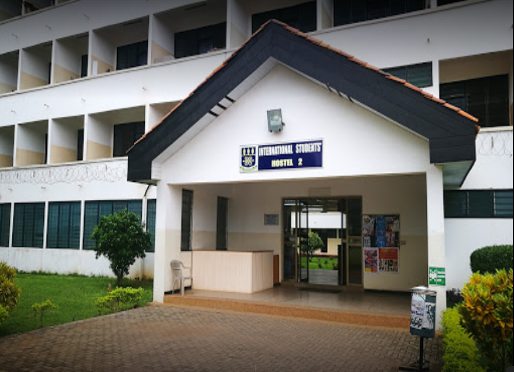
He explained that the amount covers a full academic year and includes utilities and other services.
Mr Agbesi clarified that the GH¢8,000 charge applies to “the most expensive standard accommodation, excluding the graduate hostel.” He contended that the fee should be considered alongside the duration of students’ stay and the services provided, calculating that it amounts to approximately GH¢35 per day over 32 academic weeks.
“I would want to point out to you that, apart from Jubilee Hostel, which is probably the newest hostel and was recently built, all the other hostels we have are, on average, between 25 and 30 years old. These hostels were inherited by the institution, UGEL. With that inheritance, we took over all the assets and liabilities, as your accountant would put it. Over the years, we have gradually addressed the maintenance needs of our hostels. If you visit some of the hostels and their reading rooms, for instance, the Jubilee reading room was renovated last year.”
Yawo Agbesi
The CEO explained that the accommodation used for his calculation is a four-person, self-contained room with its own bathroom and toilet, as well as a balcony for cleaning. He therefore cautioned against assessing the annual charge without considering the facilities and services included in the package.
In addition to accommodation, residents benefit from water and electricity services, cleaning and maintenance. Mr Agbesi indicated that UGEL does not transfer the full cost of utilities to students, with the company absorbing a substantial proportion of the bills. “We do appreciate the challenges students have been facing,” he remarked, acknowledging the financial difficulties confronting residents.
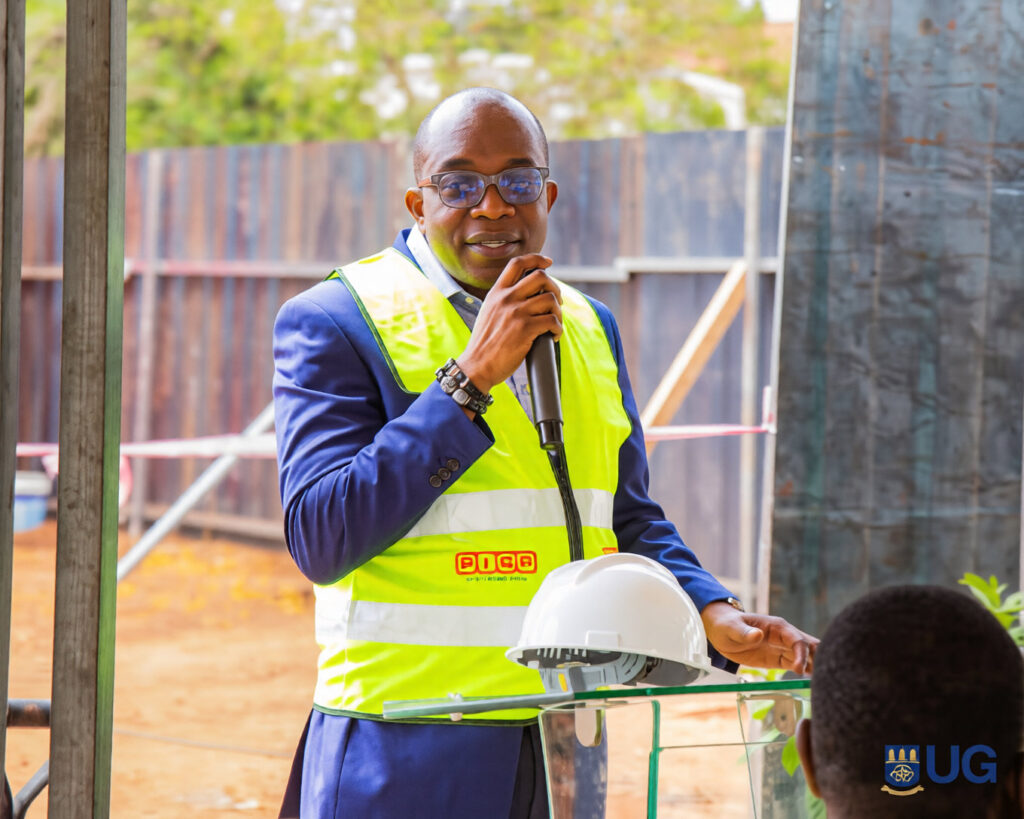
Nevertheless, he emphasised that the institution must balance students’ expectations with the costs of operating and maintaining its facilities.
Meanwhile, the CEO identified the reporting portals introduced during student orientation as the appropriate channels for residents to register maintenance complaints. He explained that the system enables facility officers to receive reports and assign artisans to address problems, while management works towards improving accommodation standards.
READ ALSO: Government Pushes Digital Inclusion as MTN Marks 30 Years