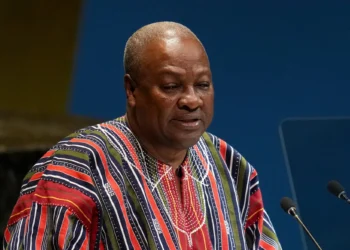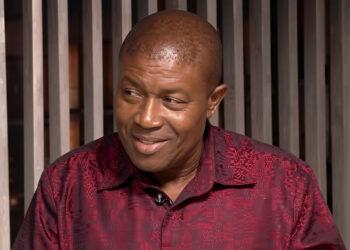
Africa Education Watch (Eduwatch) Executive Director Kofi Asare and National Union of Ghana Students (NUGS) President Rashid Ibrahim have disagreed over the Rent Control Department’s approach to addressing hostel fee increases and accommodation conditions at the University of Ghana.
The disagreement, which unfolded through social media commentary, centres on whether the Acting Rent Commissioner, Frederick Opoku, is relying too heavily on public inspections and media attention or using visibility to draw attention to students’ accommodation concerns.
Mr. Asare has questioned the effectiveness of the Commissioner’s approach, arguing that public confrontations and media appearances are unlikely to produce lasting regulatory outcomes. Ibrahim, however, maintains that students deserve transparency and that public engagement can help bring relief to affected residents.
Eduwatch Questions Effectiveness of Public Confrontations
In his commentary, Mr. Asare distinguished between rent regulation and what he described as content creation, arguing that regulatory work should focus on reducing accommodation costs and improving standards rather than generating public attention.
He criticised the Commissioner’s hostel inspections involving cameras and security personnel, describing the approach as combative and alarmist. According to the Eduwatch Executive Director, verbal exchanges with hostel porters and emotional displays would neither reduce fees nor improve living conditions.
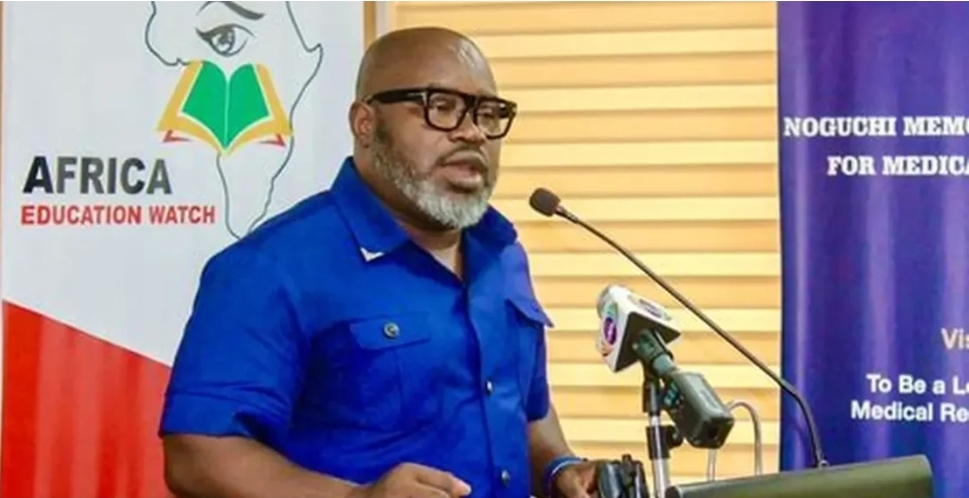
“Regulation is neither activism nor threats and litigation. If confrontation and showmanship were effective regulatory tools, hostel rates would have declined after a year of such.”
Mr. Kofi Asare, Eduwatch Executive Director.
Mr. Asare advocated a more strategic approach involving tact, engagement and measurable outcomes, arguing that regulators should prioritise high-level discussions over what he considers public theatrics.
He further questioned whether the Commissioner’s methods had yielded tangible results, challenging proponents of the approach to identify hostel rates that had declined following the prolonged public attention.
NUGS President Defends Rent Commissioner
Mr. Ibrahim rejected Mr. Asare’s characterisation of the Commissioner’s activities as populism, insisting that public inspections and documentation of accommodation conditions serve a legitimate purpose. He argued that students and their parents have a right to understand the services provided in exchange for accommodation fees and the conditions in which students live.
The NUGS President also disclosed that the Commissioner’s visits were preceded by engagements with UGEL management, the Dean of Students and student leadership in an effort to resolve the concerns amicably. Mr. Ibrahim suggested that the discussions had failed to produce a satisfactory compromise, accusing UGEL management of appearing unwilling to accommodate the Commissioner’s proposals.
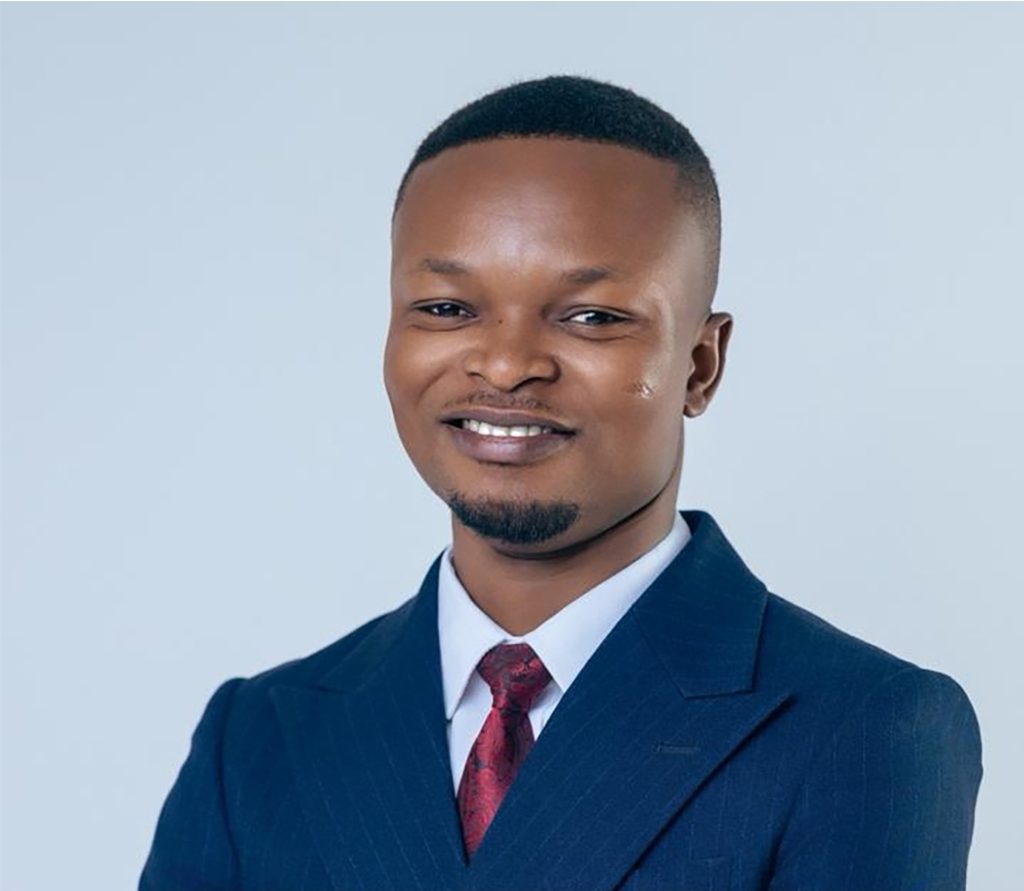
“The Rent Commissioner is not a content creator. He is a public officer who genuinely wants to make a difference in the lives of students.”
Mr. Rashid Ibrahim, NUGS President.
He maintained that public attention could become a useful tool when conventional engagements fail to secure meaningful improvements, adding that students would support efforts to expose concerns and obtain relief.
UGEL Hostel Fee Dispute Intensifies
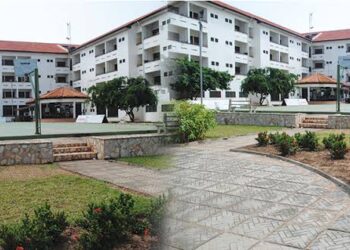
The exchange comes amid a continuing dispute over accommodation fees and living conditions at hostels operated by the University of Ghana Enterprises Limited (UGEL).UGEL initially proposed a 26 per cent increase in accommodation charges for selected facilities for the 2026/2027 academic year.
Following student protests and negotiations, the proposed increase for standard four-bed rooms was reduced to 15 per cent. The University of Ghana also announced a GH¢500 increase in fees for its traditional halls, raising the amount from GH¢3,000 to GH¢3,500, citing rising utility bills, repairs and sanitation costs.
The Rent Control Department subsequently directed UGEL and private hostel operators to suspend unassessed rent increases and refund excess payments by November 17, 2026. Acting Rent Commissioner Frederick Opoku has also disclosed that the department petitioned the Attorney-General on November 10 to investigate complaints about UGEL hostel fees and room conditions, and prosecute any wrongdoing established.

The department, which does not have prosecutorial powers, maintains that inspections confirmed concerns raised by students. However, the allegations remain subject to investigation and any legal determination.
Debate Shifts to Results and Regulatory Strategy
Mr. Asare’s response to Ibrahim’s defence questioned whether publicising disagreements with UGEL management could deliver the desired results, reiterating that a poorly executed engagement strategy could undermine regulatory efforts. He argued that students deserved interventions capable of lowering accommodation costs and improving living conditions rather than activities that attract publicity without measurable impact.
The disagreement highlights a broader debate about regulatory enforcement, student advocacy and the role of public pressure in resolving institutional disputes. While Mr. Ibrahim believes visibility can help secure accountability and student relief, Mr. Asare insists that effective regulation must be judged by outcomes.
The central question now is whether the Rent Control Department’s interventions will translate into lower accommodation charges, refunds for affected students and improved hostel conditions, or whether the dispute will continue without a lasting resolution.