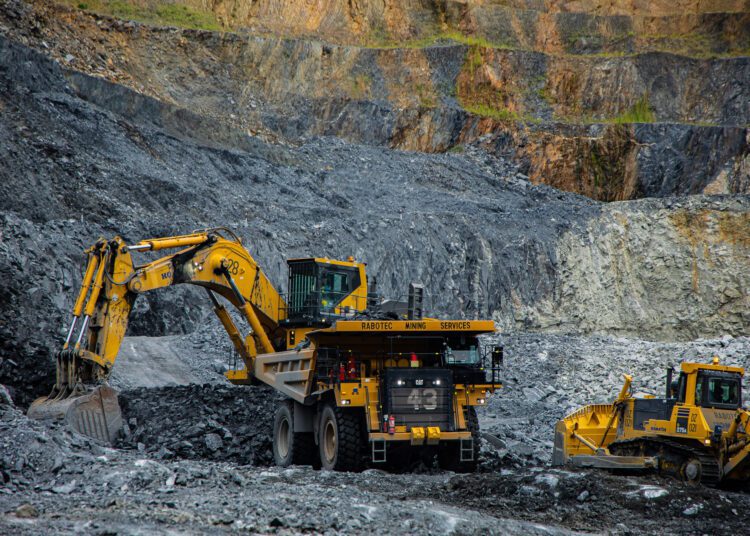
Gold Fields Ghana Limited (Gold Fields) has reaffirmed its dedication to constructive dialogue with state regulatory institutions as it advances its formal application to extend its operational tenure at the flagship Tarkwa gold mine.
Initiated in November 2025 following a direct request from the Government of Ghana, the renewal process for the five mining leases is currently under statutory review ahead of their scheduled April 2027 expiration.
In a comprehensive public statement issued, the mining giant outlined its historical footprint, financial commitments, and regulatory compliance to bring clarity to ongoing national discussions surrounding the concession’s future.
Management emphasized that every procedural step taken so far aligns strictly with Ghana’s mining statutes, aiming to secure regulatory approval that guarantees operational continuity for one of West Africa’s most prolific open-pit gold assets.
“We invested in exploration, defined the resource, and built a large-scale mine that has shared value with Ghana for decades. We respect the Government’s renewal process and the views of our host communities. Subject to the outcome of that process, we are ready to make the investment Tarkwa needs for its next phase.”
Elliot Twum, Managing Director of Gold Fields Ghana.
Revitalizing a Struggling Asset into an Economic Cornerstone
Gold Fields’ presence in the Western Region dates back to the early 1990s, when the state invited international mining operators to help resuscitate a struggling gold sector.
At the time, Tarkwa was a loss-making underground operation managed by the State Gold Mining Corporation, producing roughly 12,000 ounces annually and teetering on the brink of permanent closure.
Following its designation as preferred investor in 1992, the company signed a project development agreement and paid US$3 million in three instalments for geological data access and feasibility studies.
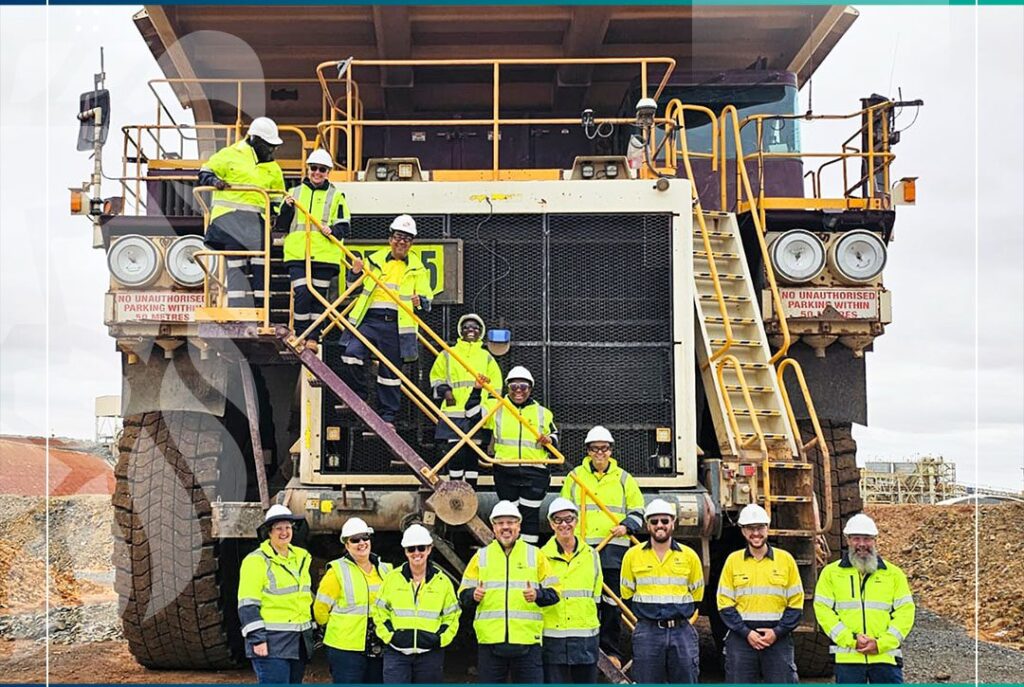
An aggressive US$50 million exploration campaign launched in 1993 successfully delineated vast open-pit gold reserves, while supplementary drilling across Ahafo, Nzema, and the Upper Regions helped unlock broader national mineral opportunities.
When the government granted five mining leases in 1997 alongside a separate US$8 million asset transfer valuation, Gold Fields transitioned Tarkwa into a modern open-pit mine.
Over the ensuing three decades, the operator has injected more than US$5 billion into developing pits, processing plants, and supporting infrastructure.
Navigating Host Community Demands and Fiscal Accountability
The push for transparent agency engagement comes amid heightened public scrutiny and competing visions over who should control Ghana’s premier mineral concessions post-2027.
Earlier in 2026, traditional leaders from the Apinto Divisional Council in the Tarkwa Nsuaem Municipality petitioned the government to transfer the concession to a wholly Ghanaian-owned entity upon lease expiry, arguing that indigenous ownership would maximize local retention of mineral wealth.
Addressing these sentiments, Gold Fields noted in its release that it is setting out the facts “to inform public discussion while the application is under consideration”.
Financial disclosures accompanying the company’s outreach highlight substantial fiscal returns to the state and domestic supply chains.
Gold Fields reported contributing US$3.3 billion directly to government coffers through corporate taxes, royalties, and dividends, noting that approximately 74 cents of every dollar generated by the mine remains within the Ghanaian economy.
Furthermore, the operator has spent over US$4.6 billion with local suppliers over the past five years bolstering indigenous firms such as Engineers & Planners, Zen Petroleum, and Genser Energy while sustaining over 5,000 jobs and channelling more than US$114 million into community infrastructure via the Gold Fields Ghana Foundation.
Securing Capital for Tarkwa’s Next Operational Phase
Beyond resolving historical debates, securing a timely and predictable lease renewal is critical to unlocking the next wave of capital expenditure required to extend Tarkwa’s productive lifespan.
As ore bodies mature and mining depths increase, sustaining output requires heavy upfront capital for extensive waste stripping, expanded tailings storage capacity, modern mining fleet acquisitions, and processing plant upgrades.
Gold Fields maintains that its technical expertise, institutional memory, and balance-sheet strength uniquely position it to execute these capital-intensive engineering projects without disrupting national gold output or employment.
Confirming its adherence to statutory frameworks, the company reiterated that it “is progressing its application in accordance with Ghanaian law and remains committed to engaging constructively with the relevant government agencies”.
For policymakers at the Minerals Commission and the Ministry of Lands and Natural Resources, balancing local ownership aspirations against the immediate need for massive foreign direct investment will define the final verdict on Tarkwa’s next chapter.
READ ALSO: Mahama: Vigilantism, Mob Attacks Cannot Solve Illegal Migration