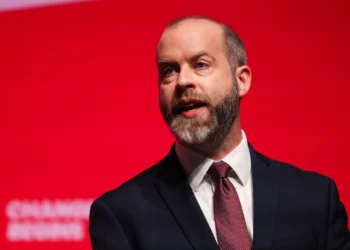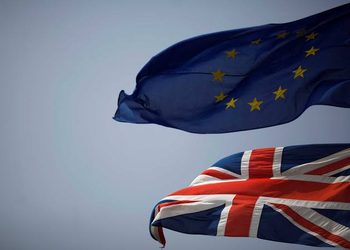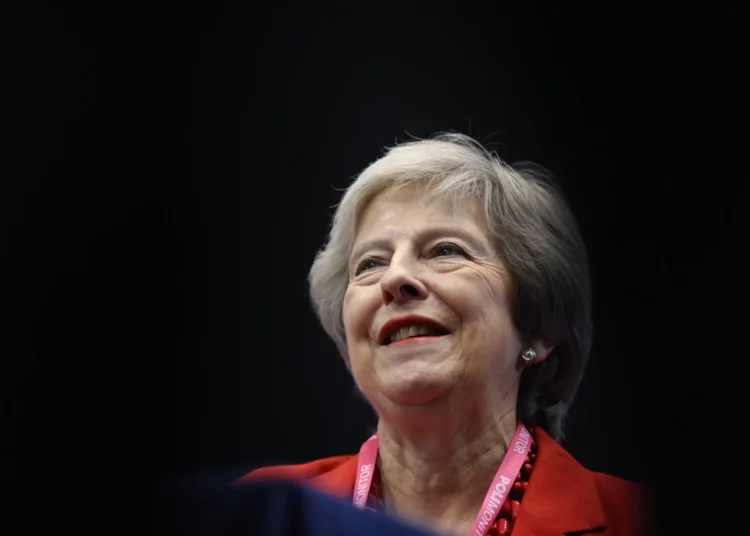
Former UK Prime Minister, Theresa May, has criticised UK Prime Minister, Andy Burnham’s suggestion of exploring closer ties with the European Union, urging him to accept the outcome of the 2016 Brexit referendum rather than reopen the debate over UK’s membership of the bloc.
The Former UK Prime Minister, who led UK from 2016 to 2019 and oversaw three years of negotiations with Brussels, expressed concern that any attempt to pursue renewed EU membership would consume considerable government time and resources.
Speaking in an interview, Theresa May stated that reopening negotiations over EU membership would place a significant burden on the government, adding, “Brexit is done. Just accept Brexit and move on.”
“What I saw was that the extent of those negotiations, the hours that had to be put in. That’s one of the reasons why I looked slightly aghast at what Andy Burnham was talking about further negotiations of going into the EU. As a country, we voted for Brexit.”
Former UK Prime Minister, Theresa May
May Questions Cost of EU Negotiations
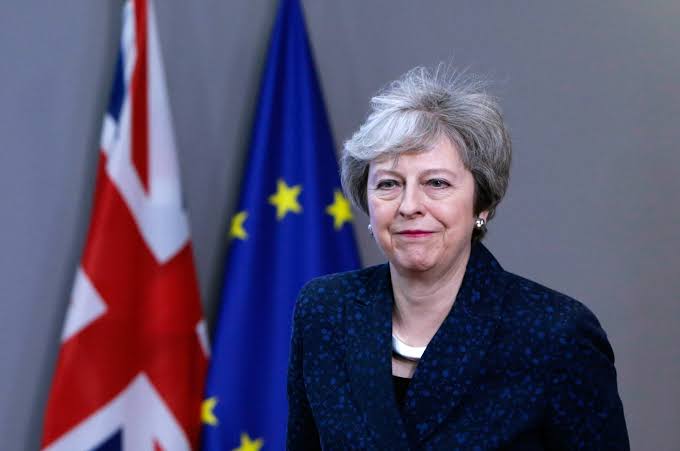
The former Prime Minister maintained that the government should concentrate on strengthening the UK’s economy, security and opportunities for its citizens instead of reopening discussions about EU membership.
She also criticised the suggestion of holding another vote on the issue, arguing that it could give voters the impression that their decision in the 2016 referendum had been dismissed.
“I almost think this is what Andy Burnham is saying to the British people, sort of patting them on the head. He wants to pat them on the head and say, you know what, remember that vote? Well, you got it wrong, didn’t you? So have another go and come out with the right answer. Or what he thinks is the right answer.”
Former UK Prime Minister, Theresa May
Theresa May’s position reflects her experience leading the UK’s withdrawal negotiations between 2016 and 2019.
Although she had campaigned for the country to remain in the EU before becoming Prime Minister, she subsequently committed her government to implementing the referendum result.
Her withdrawal agreement was rejected repeatedly by MPs, amid opposition from both Brexit-supporting Conservatives and lawmakers who favoured remaining in the bloc.
Eventually, she resigned in 2019 and was succeeded by Boris Johnson.
UK-EU Summit Opens Door to Closer Ties
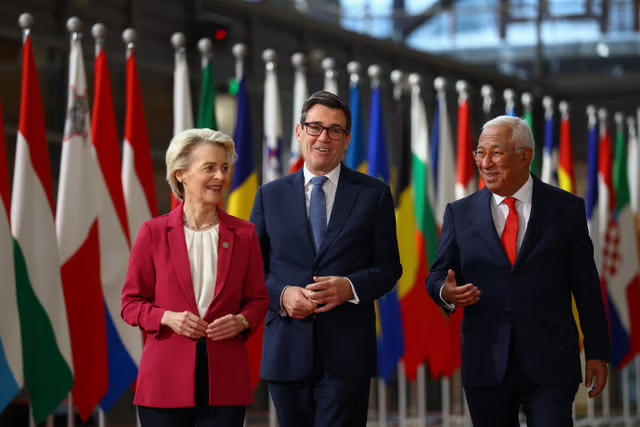
There May’s intervention followed a UK-EU summit in Brussels, where UK Prime Minister, Andy Burnham secured landmark agreements covering trade, emissions trading and a youth mobility scheme.
The proposed mobility arrangement is expected to allow up to 100,000 young Britons to live, work, study and travel in EU countries, with reciprocal opportunities for young Europeans in the UK.
The agreements represent a significant step towards rebuilding relations between Britain and the bloc since Brexit.
Andy Burnham has indicated that the departure arrangements negotiated under Theresa May and Boris Johnson have constrained economic growth and complicated trade.
At the summit, he also proposed an informal brainstorming process with European leaders over the coming months to examine possible options for the UK’s longer-term relationship with the bloc.
However, the Prime Minister has emphasised that his government will respect Labour’s 2024 manifesto commitments before the next general election, including its position against joining the EU customs union or single market.
Tony Blair Sets Conditions for Possible EU Return
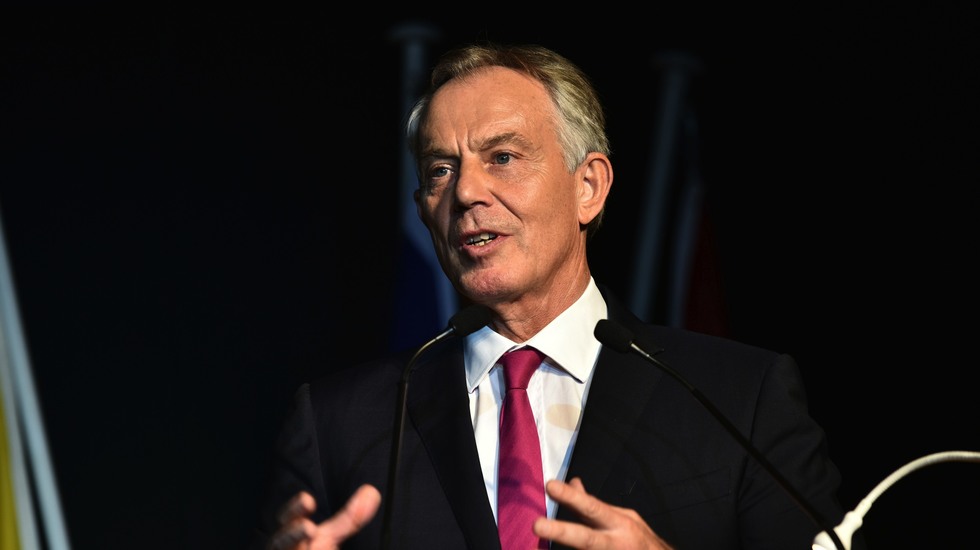
Theresa May’s comments came as another former British Prime Minister, Tony Blair, weighed in on the debate, arguing that the UK should only consider rejoining the EU if the bloc undertakes reforms that support greater innovation, particularly in technology.
Speaking in an interview, Tony Blair reiterated his opposition to Brexit, describing the decision to leave the EU as “a real mistake.”
However, he suggested that the circumstances surrounding the debate had changed since the 2016 referendum, pointing to concerns about Europe’s approach to technological innovation.
The competing positions have added further weight to the debate over Britain’s future relationship with the EU, particularly after Burnham’s recent agreements with Brussels and his proposal for additional talks.
Theresa May has advocated accepting Brexit and moving forward, while Blair has called attention to the need to assess the EU’s policy direction and reform prospects before considering a return to membership.
READ ALSO: Ghana’s Trade Surplus Hits US$13.02bn as Exports Surge