Gold Fields Ghana Limited has signaled plans to develop an underground mining operation at its Kottraverchy pit within the Tarkwa Mine concession, even as the company navigates high-stakes negotiations ahead of the April 2027 expiration of its current mining leases.
Senior Vice President and Managing Director Elliot Twum disclosed that technical evaluations at Kottraverchy are already underway, positioning the potential underground expansion as a strategic avenue to boost gold output, compress unit operating costs, and prolong the productive lifespan of the flagship Western Region asset.
The disclosure comes at a pivotal juncture for the mining giant, which is seeking government approval to renew its Tarkwa leases while outlining a proposed US$7.5 billion capital injection over the next two decades.
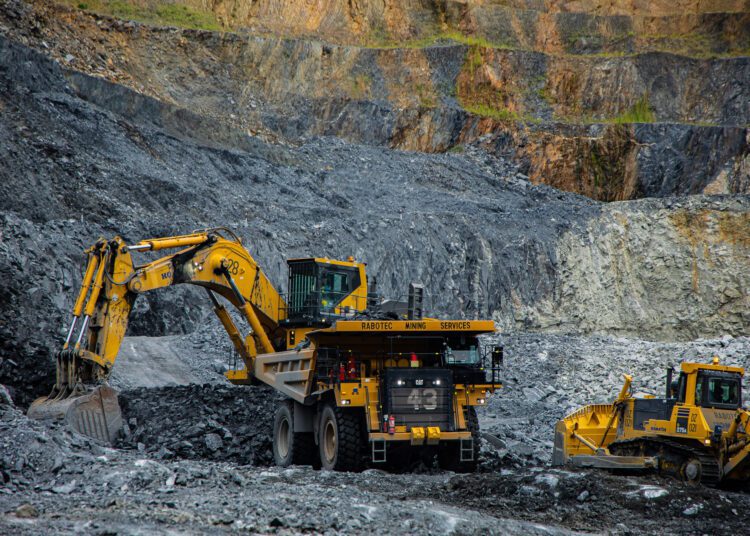
Currently producing an average of 500,000 ounces of gold annually, the Tarkwa operation relies heavily on high-volume open-pit extraction moving roughly 100 million tonnes of material each year to recover just 10 million tonnes of low-grade ore.
Transitioning toward higher-grade underground deposits at Kottraverchy represents a calculated operational shift designed to counter rising waste-stripping requirements as existing surface pits deepen.
“It’s one of our pits called Kottraverchy pit where you have a thin vein, but it’s steeply dipping, and so it has the right geometry for underground extraction. We’ve already done some geological mapping. We’ve done initial drilling, and next year, we’ll be doing some more drilling.”
Gold Fields Ghana Limited
Geological Imperatives and the Shift to Underground Extraction
Sustaining production at mature surface mines increasingly demands aggressive earthmoving, a reality forcing Gold Fields to rethink its extraction model at Tarkwa.
Because the remaining surface ore bodies sit further down-dip, annual material movement is projected to escalate from 100 million tonnes to 120 million tonnes, requiring the clearance of approximately 40 million tonnes of waste rock over the next two years merely to expose economic ore.
Industry economics dictate that higher ore grades fundamentally alter a mine’s cost structure and ounce profile.
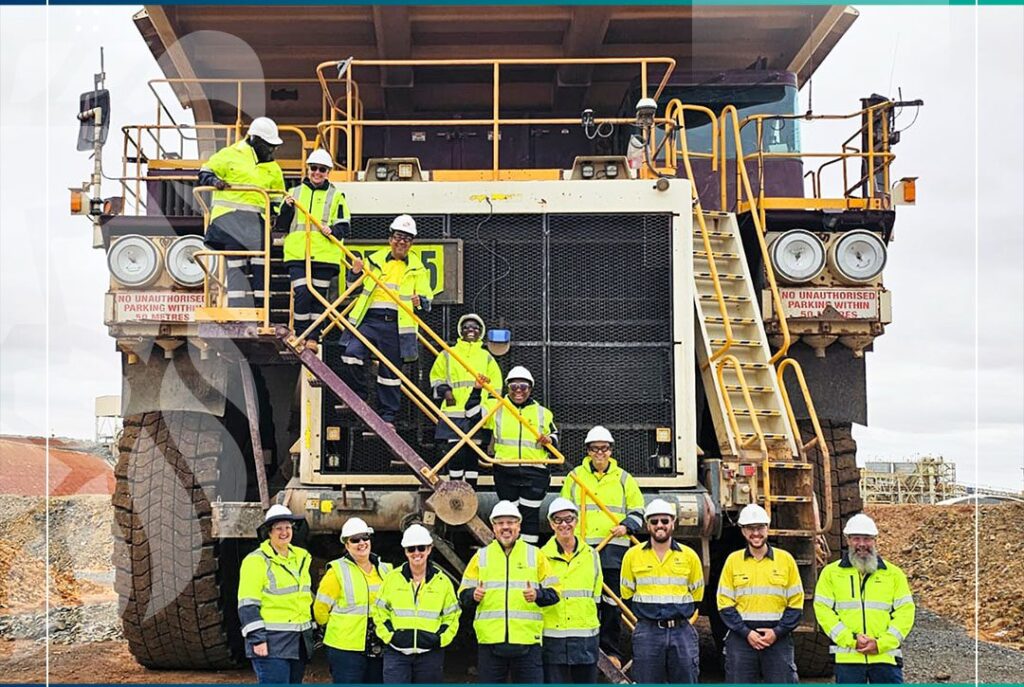
Twum pointed to Newmont’s Ahafo operation currently Ghana’s single largest gold producer by output as proof of how pairing surface operations with an underground portal unlocks superior grades.
While Gold Fields previously assessed underground potential at its Teberebie pit and found it commercially unviable, Kottraverchy’s steeply dipping reef geometry offers favorable structural conditions.
If follow-up drilling confirms sufficient density and mineralization, the project could push Tarkwa’s annual output beyond the 500,000-ounce threshold.
Lease Renewal Stakes and Capital Commitment
Technical feasibility at Kottraverchy cannot be divorced from regulatory certainty, as Gold Fields’ existing Tarkwa mining leases expire in April 2027.
Since taking over the struggling state asset in 1992, the company has invested over US$5 billion to transform Tarkwa into an open-pit powerhouse, generating US$3.3 billion in direct fiscal payments to the state and sustaining more than 5,000 jobs.
Unlocking the next phase of mine life encompassing expanded tailings storage, fleet modernization, heavy waste stripping, and underground development requires massive upfront capital.
Gold Fields has indicated readiness to commit billions in fresh funding, yet executive leadership has stressed that capital deployment hinges directly on securing timely lease renewals from the Ministry of Lands and Natural Resources and the Minerals Commission. Delays in regulatory sign-off risk stalling advanced drilling programs and deferring multi-year capital allocation decisions.
Navigating Resource Nationalism and Fiscal Scrutiny
Gold Fields’ expansion pitch unfolds amid intensifying national debate over whether Ghana captures equitable economic value from its mineral wealth.
While small-scale mining output surged past 100 tonnes in 2025 complicated by roughly US$1.7 billion in losses on the Bank of Ghana’s gold purchase programme due to pricing premiums and exchange rate dynamics large-scale operators face heightened scrutiny over tax transparency and value retention.

Against this backdrop, Gold Fields points to its US$4.6 billion in local procurement over the past five years supporting indigenous contractors such as Engineers & Planners, Zen Petroleum, and Genser Energy alongside a 74 percent in-country value retention rate as evidence of its economic footprint.
Ultimately, whether the Kottraverchy underground vision materializes will depend on aligning geological promise with a lease renewal framework that satisfies both investor return thresholds and Ghana’s demand for accountable resource governance.
READ ALSO: 16 Regional Best Farmers to Get Pick Ups on Farmers Day