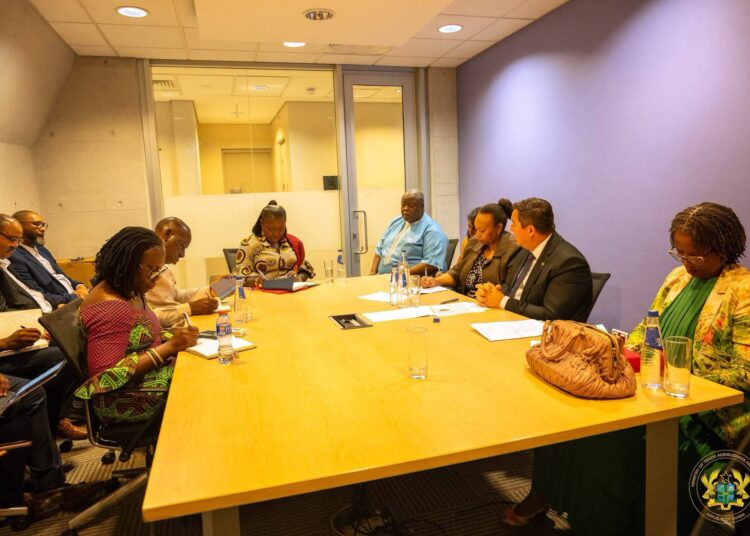
Ghana and South Africa are taking steps to strengthen bilateral trade and investment relations, with renewed emphasis on harmonising product standards, removing non-tariff barriers and expanding cooperation across strategic economic sectors ahead of the next Ghana-South Africa Bi-National Commission (BNC).
These include agribusiness, agro-processing, automotive component manufacturing, textiles and garments, and pharmaceuticals, which both countries consider important to their industrial development and economic diversification ambitions.
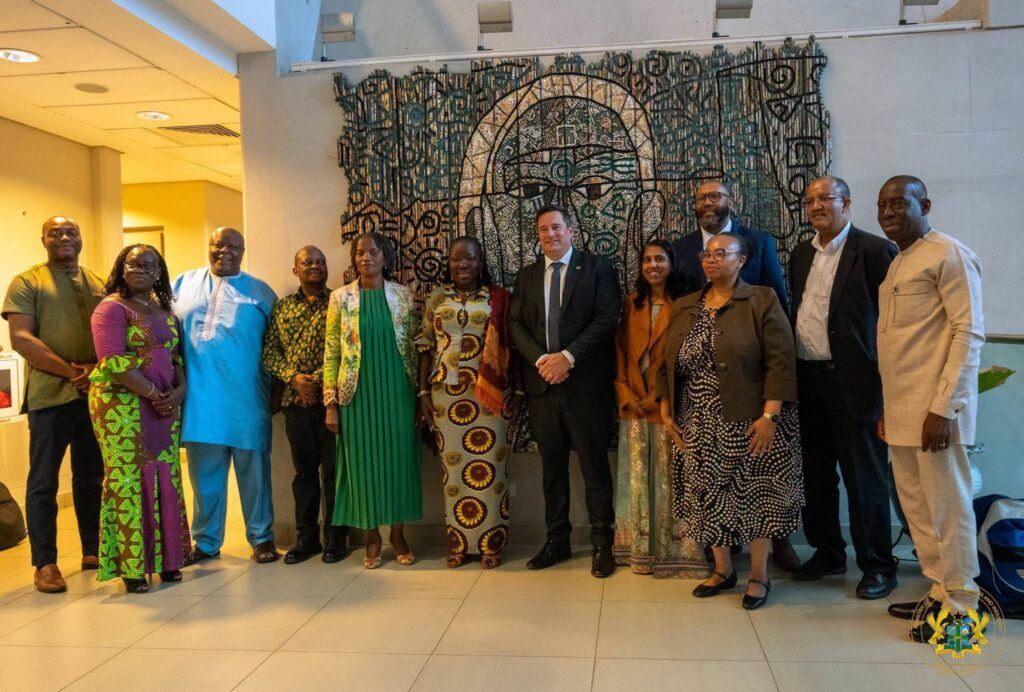
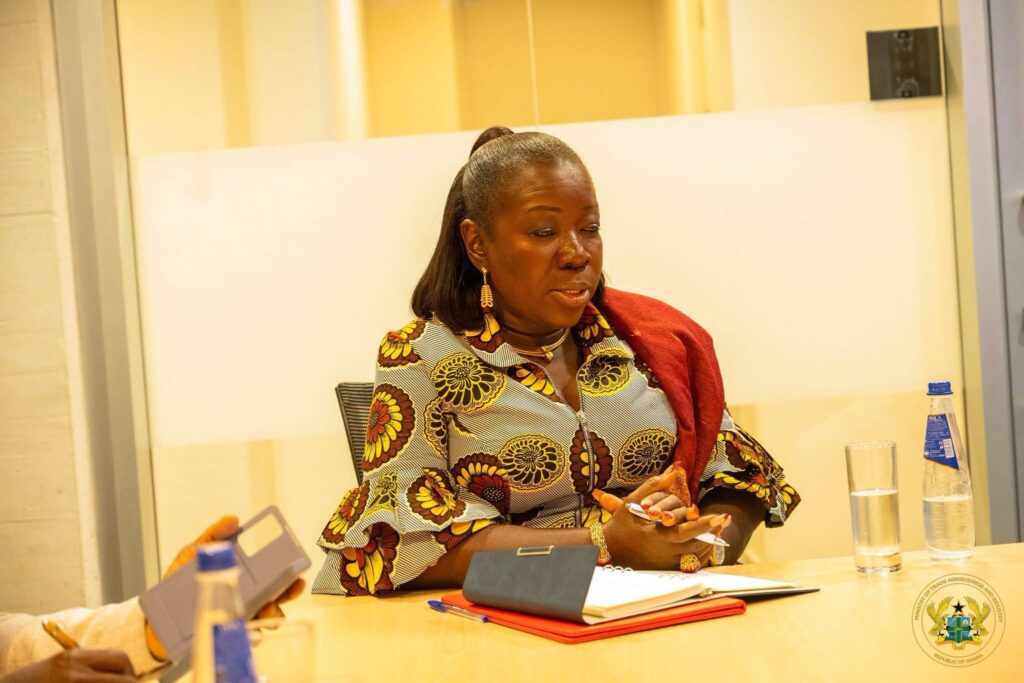
The commitment emerged during discussions between Ghana’s Minister for Trade, Agribusiness and Industry, Hon. Elizabeth Ofosu-Adjare, and South Africa’s Deputy Minister of Trade, Industry and Competition, Mr John Steenhuisen, MP, on deepening economic cooperation and identifying practical measures to facilitate trade between the two countries.
“Strengthening bilateral trade requires more than expanding commercial opportunities; it also demands coordinated standards, effective institutional collaboration and the removal of barriers that make cross-border trade difficult.”
Minister for Trade, Hon. Elizabeth Ofosu-Adjare
AfCFTA Opens Opportunities for Industrial Cooperation

The discussions highlighted several sectors with significant potential for expanding trade, attracting investment and strengthening industrial cooperation between Ghana and South Africa.Hon. Ofosu-Adjare used the engagement to highlight Ghana’s investment opportunities in these sectors, drawing attention to the country’s potential as a manufacturing and commercial destination within the African market.
She emphasised the importance of leveraging the African Continental Free Trade Area (AfCFTA) to deepen economic partnerships, expand market access and encourage businesses from both countries to explore investment opportunities.
The focus on agro-processing and agribusiness also presents opportunities for collaboration in adding value to agricultural commodities, strengthening production capacity and improving the competitiveness of locally manufactured products.
Similarly, cooperation in automotive components, textiles, garments and pharmaceuticals could support industrial expansion, encourage technology transfer and create employment opportunities.
“Through the AfCFTA, Ghana and South Africa have an opportunity to build stronger industrial partnerships, expand market access and promote mutually beneficial investments that support economic growth and job creation.”
Minister for Trade, Hon. Elizabeth Ofosu-Adjare
Standards Harmonisation to Remove Trade Barriers
A major issue raised during the discussions was the persistence of non-tariff barriers, particularly differences in product standards and certification requirements between the two countries.
Although trade agreements can create opportunities for businesses to access new markets, differences in regulatory requirements can increase compliance costs, delay the movement of goods and make cross-border transactions more complicated.
Hon. Ofosu-Adjare stressed the need to address these challenges through closer institutional cooperation, particularly between the Ghana Standards Authority (GSA) and the South African Bureau of Standards (SABS).
The proposed collaboration is expected to promote mutual recognition of standards, reduce unnecessary duplication of conformity assessments and make it easier for products that meet agreed requirements in one country to gain acceptance in the other.
The initiative is particularly relevant to sectors such as pharmaceuticals, food processing, textiles and automotive manufacturing, where product quality, safety and technical specifications are essential to market access.
Both countries recognised the importance of sustained technical engagement between their respective standards institutions to identify areas of convergence and develop practical mechanisms for cooperation.
“Closer collaboration between the Ghana Standards Authority and the South African Bureau of Standards will be important in addressing differences in product standards and facilitating the movement of goods between our markets.”
Minister for Trade, Hon. Elizabeth Ofosu-Adjare
Trade Houses and Agreements on the Agenda
Beyond standards harmonisation, South Africa reaffirmed its commitment to strengthening its economic partnership with Ghana through additional trade facilitation initiatives and institutional arrangements.
Mr. Steenhuisen proposed the establishment of trade houses in both countries to serve as platforms for showcasing products, promoting investment opportunities and connecting businesses interested in exploring the respective markets.
The proposed facilities could provide businesses with greater visibility of available products and investment prospects while encouraging commercial partnerships between Ghanaian and South African enterprises.
He also announced plans to deploy a trade attaché to Accra to support bilateral trade relations and assist in addressing outstanding trade and investment concerns.
The proposed deployment is expected to strengthen communication between the two countries, provide institutional support to businesses and facilitate the resolution of issues affecting commercial cooperation.
The discussions further produced commitments towards specific timelines intended to translate the diplomatic engagement into practical outcomes ahead of the next Bi-National Commission.
Both sides agreed to intensify technical engagements on standards harmonisation, with the relevant institutions expected to report on progress by March.
They also committed to working towards the preparation of draft bilateral trade and investment agreements by the end of January.
These agreements are expected to provide a framework for strengthening economic cooperation, clarifying areas of mutual interest and supporting a more structured approach to bilateral trade and investment relations.
The timelines establish important preparatory milestones as Ghana and South Africa work towards the next BNC, where broader discussions on their economic partnership are expected to benefit from the progress made through the technical engagements.
“Both countries are committed to advancing technical discussions on standards and working towards draft bilateral trade and investment agreements to ensure concrete outcomes ahead of the next Bi-National Commission.”
Minister for Trade, Hon. Elizabeth Ofosu-Adjare
The successful implementation of these initiatives could strengthen business connections, support regional value chains and create new opportunities for enterprises operating across both economies.
READ ALSO:Analyst Urges Ghana To Borrow For Projects, Not Consumption