Category: Uncategorized

  • Mid-Year Budget Review: Ghana Targets Debt Ceiling With New Fiscal Rule

    Mid-Year Budget Review: Ghana Targets Debt Ceiling With New Fiscal Rule

    The Ghanaian government has unveiled a major fiscal restructuring plan aimed at reversing years of rising debt accumulation and restoring confidence in the country’s public financial management system. 

    As part of the midyear budget review, the government announced sweeping reforms, including a new binding fiscal rule that will limit debt levels and enforce stronger spending controls.

    The reforms, according to the government, represent a decisive shift from previous approaches to managing public finances, with greater emphasis now being placed on controlling expenditure, improving accountability and ensuring that public resources deliver measurable benefits to citizens.

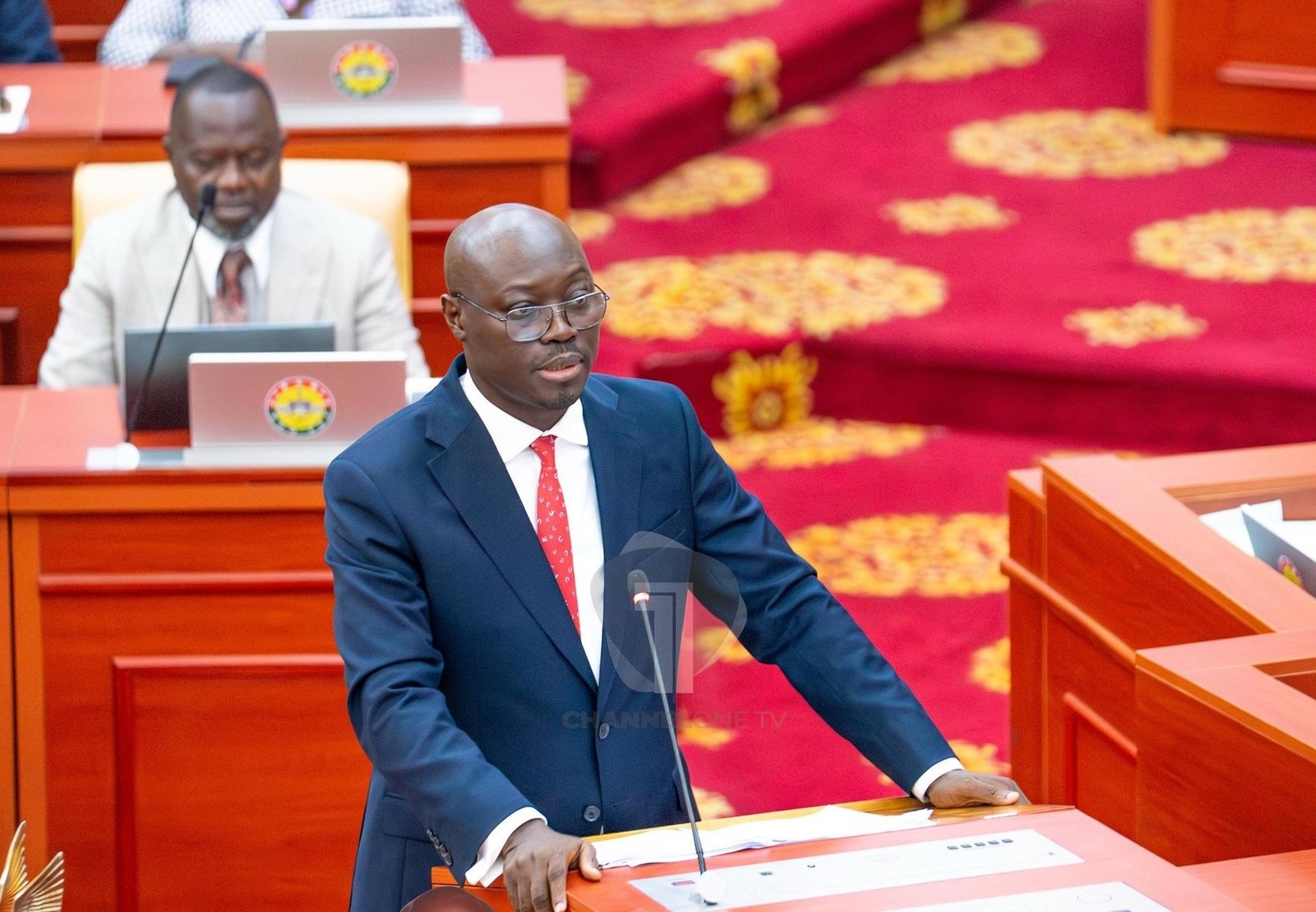
    Presenting the Mid-Year Budget Review to Parliament, Finance Minister Dr Cassiel Ato Forson stated that the country’s International Monetary Fund (IMF) programme had been recalibrated to focus more on expenditure management rather than relying heavily on revenue increases.

    “Government also recalibrated their IMF programme, shifting the emphasis from revenue-led to expenditure-led fiscal consolidation to achieve a fairer sharing of the adjustment burden.” 

    Dr Cassiel Ato Forson

    The move signals a new direction in Ghana’s fiscal strategy, as authorities seek to reduce debt pressures while protecting households and businesses from excessive taxation.

    New Fiscal Rule Sets Strict Debt Limits

    A key component of the reform package is an amendment to the Public Financial Management Act, introducing a binding fiscal rule designed to keep government finances under tighter control.

    According to the FInance Minister, the new framework requires Ghana to maintain a minimum annual primary surplus of 1.5 percent of Gross Domestic Product (GDP) while working towards a debt-to-GDP ceiling of 45 percent by 2034.

    “We amended the Public Financial Management Act to institutionalise a binding fiscal rule requiring a minimum annual primary surplus of 1.5% of GDP and a debt-to-GDP ceiling of 45% by 2034.”

    Dr Cassiel Ato Forson

    The policy is expected to provide a stronger legal foundation for fiscal discipline and prevent future administrations from accumulating excessive debt without adequate safeguards.

    The government emphasised that the reforms were intended to change the perception of Ghana’s public finance management by ensuring that discipline becomes a permanent feature of state operations.

    “These reforms signalled that fiscal discipline would no longer define fiscal indiscipline would no longer define the Ghanaian state,” Dr Ato Forson added.

    State Enterprises Face Tougher Spending Controls

    One of the major concerns highlighted by government was the growing financial burden created by state-owned enterprises (SOEs). Authorities revealed that liabilities accumulated by SOEs had contributed significantly to Ghana’s debt challenges over the years.

    “Over the last 10 years, liabilities of state-owned enterprises have added the equivalent of about 3% of GDP to Ghana’s public debt every single year,” Ato Forson disclosed.

    According to the Finance Minister, some SOEs failed to honour contractual obligations, forcing government to absorb their liabilities and increasing pressure on public finances.

    “This occurred because state-owned enterprises failed to honour their contractual obligation compelling the government to assume and settle those liabilities,” he explained.

    The government argued that these accumulated obligations diverted resources away from critical national development projects.

    “This contributed to the sharp rise in Ghana’s public debt. As a result, the resources that would have financed critical infrastructure were used to pay those SOEs’ debt.” 

    Dr Cassiel Ato Forson

    The new commitment authorisation regime will now apply to state-owned enterprises, ensuring they cannot commit government resources without approval.
    Spending Controls And Accountability Measures Expanded

    To strengthen expenditure management, government has established new institutions including the Value for Money Office and the Fiscal Council.

    The Value for Money Office is expected to improve efficiency in public spending by ensuring that government projects and programmes provide maximum benefits to citizens.

    “We established the Value for Money Office to strengthen expenditure efficiency, improve the quality of public expenditure and ensure that every city spent delivers maximum value for the Ghanaian people.”

    Dr Cassiel Ato Forson

    The Fiscal Council will also enhance oversight by promoting transparency and accountability in government finances.

    The government further announced a comprehensive audit of public payables to eliminate irregular obligations and prevent the accumulation of unauthorized debts.

    Additionally, amendments to the Public Procurement Act will require commitment authorisation before procurement activities are undertaken.

    “This reform firmly linked procurement to the approved budget and restored discipline to public expenditure management across the government,” Dr Atol Forson said.

    Leaner Government And Tax Reforms

    Beyond expenditure controls, government announced measures to reduce administrative costs by shrinking the size of government.

    The number of ministers has been reduced from 123 at its peak to 60, while ministries have been cut from 30 to 23.

    Government explained that the decision was not only political but also a financial strategy.

    “A leaner government is not merely good politics but is also a sound fiscal policy,” it stated.

    Authorities also announced reductions in non-essential expenditure, including excessive foreign travel, workshops, conferences and unnecessary vehicle purchases.

    On taxation, government said it was pursuing reforms aimed at supporting businesses, improving compliance and restoring investor confidence.

    “The objective was very clear. First, to restore investor confidence. Second, to revive private enterprises. Third, to provide a relief to households and businesses.”

    Dr Cassiel Ato Forson

    As part of the tax overhaul, the government abolished several levies including the Electronic Transfer Levy, Betting Tax, COVID-19 Health Recovery Levy, Emission Tax and VAT on Motor Insurance.

    The reforms, the government believes, will create a more efficient tax system while reducing pressure on citizens and businesses.

    With the introduction of the new fiscal rule and stronger spending controls, Ghana is positioning itself for a new era of financial management aimed at reducing debt vulnerabilities and protecting future generations from excessive borrowing.

  • IOM Launches $98 Million Appeal for Venezuela Earthquake Recovery

    IOM Launches $98 Million Appeal for Venezuela Earthquake Recovery

    The International Organization for Migration (IOM) has launched a USD 98 million humanitarian appeal to support Venezuela’s recovery from the devastating earthquakes that struck the country in June, warning that millions of dollars in sustained international assistance will be needed to help affected communities rebuild their lives after one of the deadliest natural disasters in the country’s modern history.

    The appeal comes as humanitarian agencies continue to assess the enormous scale of destruction left by the twin earthquakes that rocked Venezuela’s north-central region on 24 June.

    The two powerful tremors, measuring 7.2 and 7.5 in magnitude and followed by hundreds of aftershocks, caused catastrophic damage across several states, leaving thousands dead, tens of thousands injured and entire communities struggling to recover.

    According to the latest humanitarian assessments, at least 3,535 people have been killed and more than 16,740 others injured since the disaster struck. More than 2,500 pieces of critical infrastructure, including 38 hospitals, have been damaged or destroyed, severely disrupting access to healthcare, clean water, transportation and other essential public services.

    The earthquakes affected several of Venezuela’s most populated regions, including La Guaira, Distrito Capital, Miranda, Carabobo, Aragua and Falcón, where thousands of homes collapsed or were declared structurally unsafe. Entire neighbourhoods remain scarred by damaged buildings and broken infrastructure, while many residents continue to live in temporary shelters or open spaces out of fear that aftershocks could trigger further collapses.

    Against this backdrop, the IOM noted that its year-long appeal aims to provide emergency relief while helping communities move beyond the immediate crisis toward long-term recovery and resilience.

    The funding request outlines a comprehensive 12-month response plan focused on providing safe and dignified shelter, delivering life-saving humanitarian assistance, supporting early recovery programmes and helping communities restore essential services destroyed by the disaster.

    According to Lia Poggio, IOM Chief of Mission in Venezuela, the people of Venezuela have shown remarkable resilience, but recovery will take time and sustained support.

    “This appeal will help ensure that families receive the assistance they need including a place to stay while enabling communities to move beyond the emergency, rebuild essential services, and lay the foundations for a safe and lasting recovery.”

    Lia Poggio

    Since the earthquakes struck, IOM has been working alongside Venezuelan authorities, United Nations agencies and humanitarian organisations to coordinate emergency assistance across affected communities.

    The agency has managed collective shelters for displaced families, provided healthcare and protection services, coordinated emergency sites and supported vulnerable households with access to critical humanitarian assistance.

    According to the organisation, nearly 6,000 displaced people have already received assistance through collective sites under IOM coordination, while more than 10,000 individual services including temporary accommodation, healthcare and protection support have been delivered since the onset of the emergency.

    IOM Expands Emergency Response as Humanitarian Needs Grow

    International Organization for Migration

    The IOM’s response strategy focuses on addressing both immediate humanitarian priorities and the longer-term needs required to restore stability in affected communities.

    Priority interventions include emergency shelter, site coordination and management, healthcare services and early recovery programmes designed to help families safely return to their communities where possible.

    Working closely with government institutions, local authorities, community organisations and humanitarian partners, IOM aims to strengthen coordination across affected regions while ensuring that assistance reaches both heavily impacted urban centres and underserved rural communities.

    Humanitarian assessments indicate that although significant relief operations have been concentrated in La Guaira, Distrito Capital and Miranda, other severely affected states including Falcón, Aragua and Carabobo continue to face substantial gaps in assistance.

    Damage to roads, public infrastructure and essential services has made it more difficult to reach many communities in those areas, increasing the risk that vulnerable families could be left behind during recovery efforts.

    Aid agencies have also identified growing concerns in overcrowded displacement sites, where limited sanitation facilities, inadequate shelter and weak service provision are increasing the risks of communicable disease outbreaks, family separation, violence against women and girls and other protection challenges.

    IOM stated that its integrated response aims not only to address these immediate humanitarian problems, but also to develop community resilience against future disasters by assisting in the restoration of critical services and assisting local institutions in rebuilding capacity.

    The agency underlined that recovery from a calamity of this magnitude cannot be accomplished solely through immediate aid. Instead, ongoing international solidarity and long-term investment will be necessary to restore livelihoods, replace destroyed infrastructure, and allow affected communities to recover with dignity.

  • NHIA Expands Digital Primary Healthcare Through Community Pharmacy Integration

    NHIA Expands Digital Primary Healthcare Through Community Pharmacy Integration

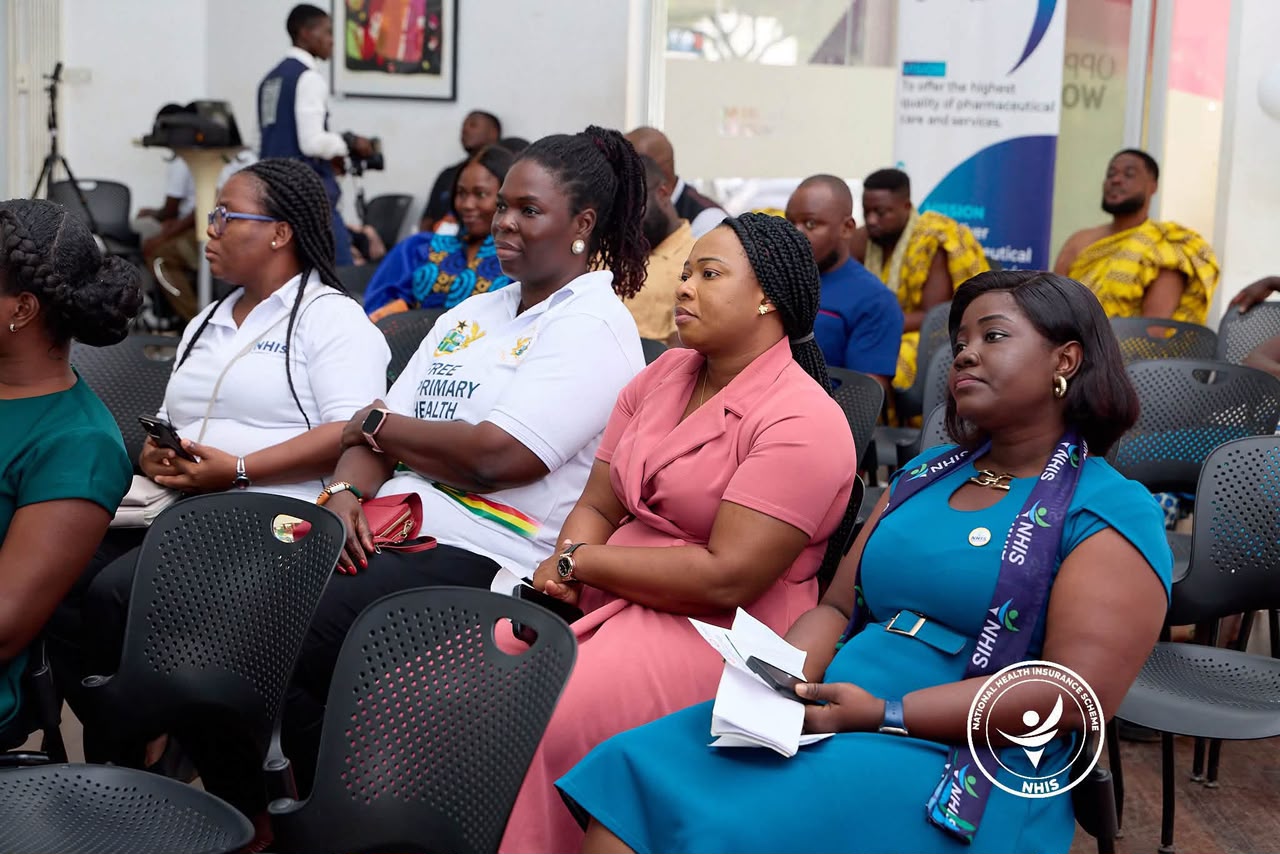
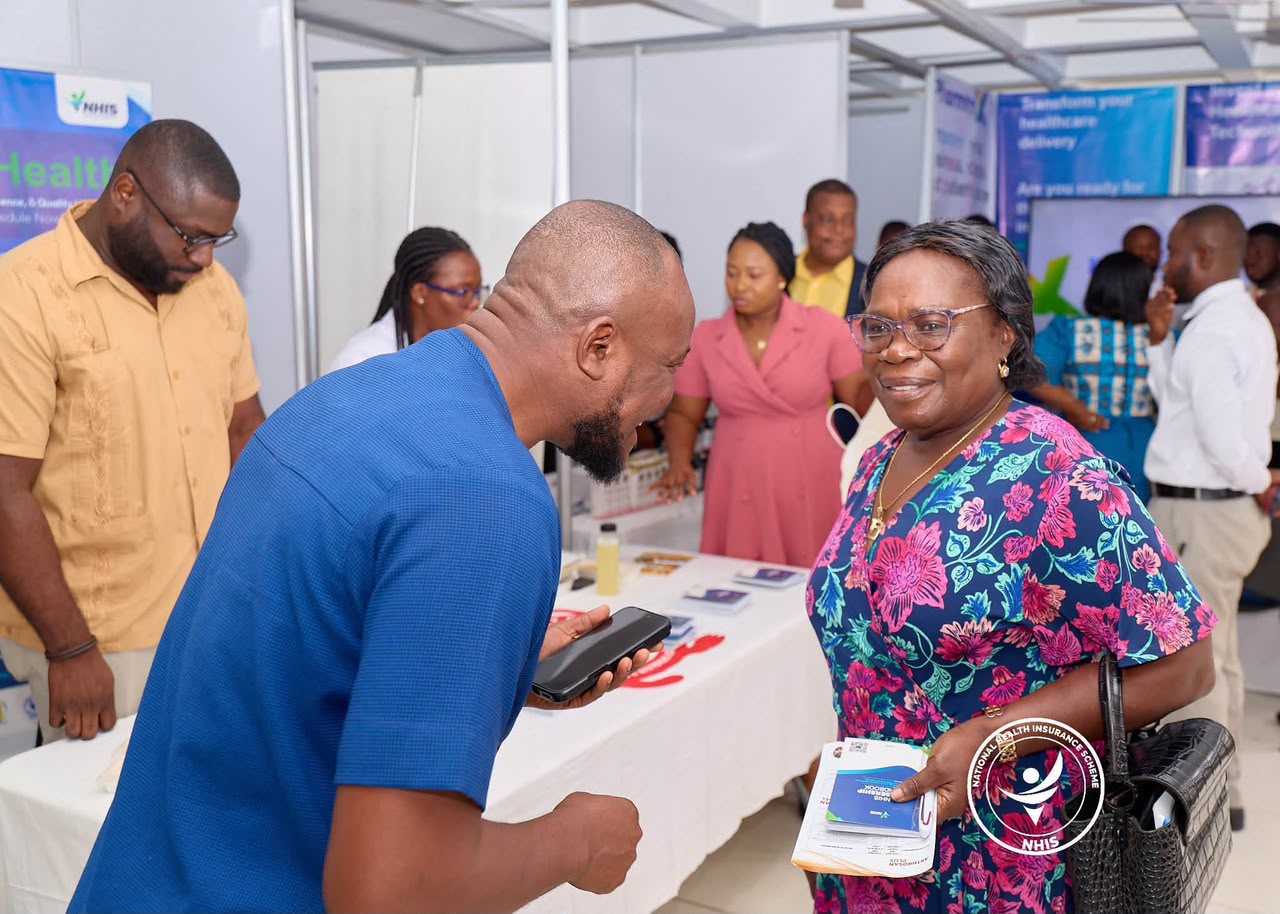
    The National Health Insurance Authority (NHIA) is deepening its collaboration with licensed community pharmacies as part of a comprehensive strategy to strengthen primary healthcare delivery, expand access to essential health services and accelerate Ghana’s progress towards Universal Health Coverage (UHC

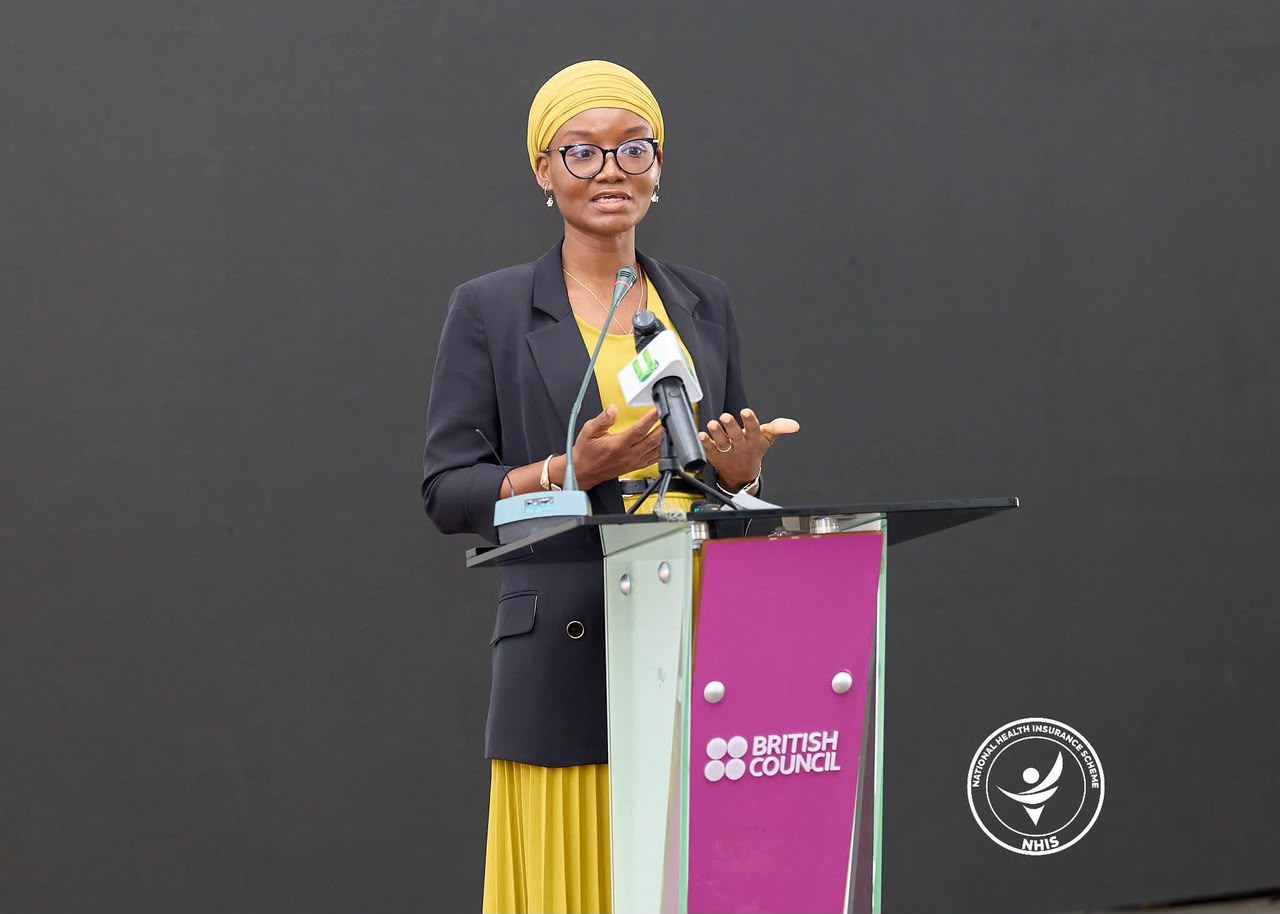
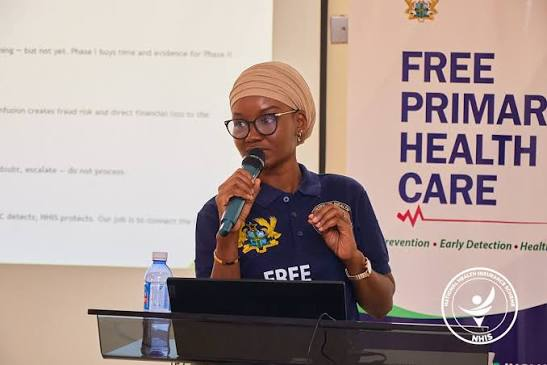
    Speaking on behalf of the Chief Executive of the NHIA, the Authority’s Operations Acting Director, Mad. Mariam Musah, outlined a series of reforms aimed at integrating community pharmacies more effectively into Ghana’s healthcare delivery system through the Free Primary Healthcare (FPHC) programme and an ambitious nationwide digital transformation agenda.

    According to Mad. Musah, community pharmacists occupy a strategic position within Ghana’s healthcare system and are well placed to deliver preventive, promotive and basic curative services closer to where people live, particularly in underserved communities.

    “Community pharmacies represent one of the strongest links between the healthcare system and ordinary citizens, making them indispensable partners in expanding quality primary healthcare services nationwide.”

    Operations Acting Director, Mad. Mariam Musah

    Mad. Musah explained that the Authority’s renewed collaboration with licensed community pharmacies aligns directly with the government’s objective of achieving Universal Health Coverage through the National Health Insurance Scheme (NHIS).

    She observed that expanding healthcare delivery beyond hospitals and larger health facilities is critical to ensuring equitable access to healthcare services across the country.

    Community Pharmacies Central to Universal Health Coverage

    According to her, the Free Primary Healthcare agenda prioritises preventive healthcare alongside treatment services, allowing communities to receive timely interventions before medical conditions become severe.

    Authority’s Operations Acting Director, Mad. Mariam Musah,

    She stressed that community pharmacists have an increasingly important responsibility in promoting healthy lifestyles, preventing diseases, managing minor illnesses and supporting patients living with chronic medical conditions.

    Beyond dispensing medicines, she indicated that pharmacists are expected to provide medication therapy management, patient education, referrals, self-care guidance and early identification of health complications requiring higher levels of medical attention.

    “The Free Primary Healthcare programme recognises that prevention and early intervention are just as important as treatment. Community pharmacists therefore have a critical responsibility in delivering accessible healthcare before conditions become more complicated.”

    Operations Acting Director, Mad. Mariam Musah

    Innovative Payment Model Introduce

    As part of ongoing reforms, Ms. Musah disclosed that the NHIA has introduced a blended provider payment model designed to improve financing under the Free Primary Healthcare programme.

    The model combines the traditional fee-for-service approach and the Ghana Diagnosis Related Groups (G-DRG) payment system for curative healthcare with a population-based financing mechanism dedicated to preventive and promotive health services.

    She explained that the new arrangement is intended to ensure healthcare providers receive appropriate reimbursement while encouraging greater investment in disease prevention and health promotion.

    The initiative, she noted, reflects the Authority’s determination to move beyond treatment-focused financing towards a more balanced healthcare model that rewards preventive interventions capable of reducing long-term healthcare costs.

    Primary Healthcare Programme Expanding Across Ghana

    Ms. Musah revealed that implementation of the Free Primary Healthcare programme has already expanded significantly across the country.

    NHIA Staff

    According to her, the initiative is currently operational in 160 of Ghana’s 261 districts, with services being delivered through Community-based Health Planning and Services (CHPS) compounds, health centres, selected Christian Health Association of Ghana (CHAG) facilities and public health units within polyclinics.

    She further disclosed that the Authority intends to broaden the programme by incorporating additional service delivery points, including licensed community pharmacies and school sick bays.

    The planned expansion is expected to bring healthcare services even closer to communities while improving early diagnosis and treatment of common illnesses.

    Digital Transformation Driving Healthcare Reform

    A major aspect of the Authority’s transformation strategy, according to Ms. Musah, is the deployment of digital technologies to improve efficiency, transparency and patient care.

    She announced that the phased implementation of the NHIS Electronic Healthcare Services Application (NeHSA) and the National Electronic Pharmacy Platform (NEPP) is progressing steadily across the country.

    The digital rollout currently covers the Greater Accra, Ashanti, Eastern, Northern and Western Regions, where 504 healthcare facilities, including close to 100 community pharmacies, have already been integrated into the new electronic system.

    She explained that these digital platforms are simplifying healthcare administration while strengthening patient record management, electronic claims processing and service monitoring.

    Community pharmacies and CHPS compounds, she added, are also becoming important centres for digital health data collection through emerging telehealth infrastructure.

    According to Ms. Musah, these technological investments will ultimately improve healthcare planning, strengthen evidence-based decision-

    making and enhance service delivery across the health sector.

    Community Pharmacy

    Pharmacists Invited To Shape Future Healthcare Delivery

    Recognising the practical experience of frontline pharmacists, Mad. Musah called for stronger collaboration between the Authority and community pharmacy practitioners as implementation of the Free Primary Healthcare programme continues.

    She encouraged pharmacists to actively contribute ideas that will guide the development of participation protocols, quality assurance standards, digital onboarding processes, electronic prescription systems and claims-linked service platforms.

    The Operations Acting Director maintained that successful healthcare reform depends on continuous engagement with healthcare professionals whose daily experiences provide valuable insights into improving policy implementation.

    “Healthcare reforms achieve lasting impact when practitioners directly involved in patient care contribute their knowledge to the design and implementation of national health programmes.”

    Operations Acting Director, Mad. Mariam Musah

    She expressed confidence that stronger collaboration would help build a more responsive healthcare system capable of addressing the evolving needs of Ghana’s growing population.

    Strengthening Healthcare at Community Level

    Mad. Musah’s presentation reflects the NHIA’s broader commitment to repositioning primary healthcare as the foundation of Ghana’s health system.

    Primary Health Care Delivery, under the NHIS Scheme

    By integrating community pharmacies into both healthcare delivery and digital health infrastructure, the Authority seeks to reduce pressure on hospitals while improving access to essential services within local communities.

    The reforms are also expected to strengthen continuity of care through better patient referrals, improved medication management and enhanced monitoring of chronic diseases.

    With digital innovation, expanded provider participation and a financing model that rewards preventive healthcare, the NHIA believes Ghana is laying a stronger foundation for achieving Universal Health Coverage while delivering more efficient, accessible and people-centred healthcare services across the country.

  • Asake’s Year-Old Hit Why Love Climbs Back to No. 30

    Asake’s Year-Old Hit Why Love Climbs Back to No. 30

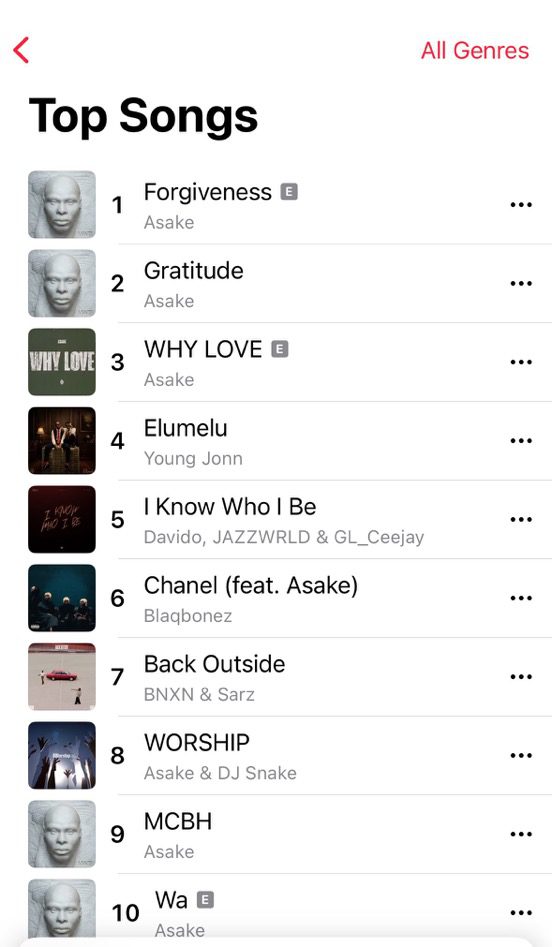
    Nigerian Afrobeats superstar Asake continues to dominate the music scene as his 2025 single “Why Love” has surged back to number 3 on the Apple Music Nigeria Top Songs chart, more than a year after its initial release.

    The unexpected resurgence highlights the enduring appeal of the track and Asake’s sustained influence in the Nigerian music industry.

    The screenshot shared by music news account on Friday shows “Why Love” sitting comfortably at position 3, behind Asake’s own “Forgiveness” at No. 1 and “Gratitude” at No. 2. The chart is heavily populated by Asake tracks, with “MCBH” and “Wa” also appearing in the top 10, highlighting his current stranglehold on streaming platforms in his home country.

    Released on February 12, 2025, as the lead single from his album M$NEY under his independent label Giran Republic, “Why Love” marked a new chapter for the artist born Ahmed Ololade. The Amapiano-infused track blended Asake’s signature street-pop energy with infectious rhythms and heartfelt lyrics, quickly gaining traction upon release but eventually giving way to newer material.

    Its return to the upper echelons of the chart over 16 months later speaks to the song’s “stubborn” staying power, as fans on social media have described it. Many attribute the resurgence to renewed organic streaming, possible playlist placements, or a fresh wave of fan appreciation amid Asake’s ongoing dominance with his latest projects.

    Asake, now 31, has built an impressive career since bursting onto the scene. His 2022 debut album Mr. Money with the Vibe set records for the biggest opening day for an African album on Apple Music and debuted at No. 66 on the Billboard 200. Subsequent projects Work of Art (2023) and Lungu Boy (2024) solidified his status, with the latter becoming the longest-running No. 1 album in Nigeria chart history.

    The artist, who draws from Fuji, Amapiano, and Afrobeats influences, is known for his distinctive vocal style, energetic performances, and cultural authenticity. Often referred to as the “Landlord” of Nigerian charts by fans, Asake’s ability to maintain relevance across multiple releases is rare. His latest album M$NEY, released in 2026, has further cemented this reputation, with multiple tracks dominating daily charts alongside older favorites.

    Industry observers note that such longevity for a single track is uncommon in the fast-paced streaming era, where attention spans are short and new music floods platforms daily. “Why Love” joining Asake’s current hits in the Top 10 demonstrates how his catalog continues to resonate. Fans have celebrated the moment online, with comments praising the song’s quality and joking about its refusal to fade away.

    This development comes as Asake balances independent ambitions with his established fanbase (often called 30BG). After years with YBNL Nation, his move toward greater creative and business control via Giran Republic has allowed for more frequent, targeted releases while maintaining the street credibility that first propelled him.

    Analyst theories

    Music analysts point to several factors behind the resurgence. Asake’s consistent output keeps him in the public eye, while viral challenges, club play, and algorithmic recommendations on platforms like Apple Music can revive older tracks.

    The heavy presence of his songs in the current Top 10 also creates a halo effect, where listeners exploring one hit naturally stream others from his catalog.

    For the broader Nigerian music industry, Asake’s chart performance reinforces the global rise of Afrobeats. With collaborations involving international stars like DJ Snake, Central Cee, and Wizkid, he has helped bridge local sounds with worldwide audiences.

    Apple Music Chart

     His success story from studying theater arts at Obafemi Awolowo University to becoming one of Africa’s biggest exports inspires a new generation of artists.

    As streaming numbers climb, “Why Love” may continue its upward trajectory or stabilize as a catalog staple. Either way, it adds another chapter to Asake’s remarkable run.

    With rumors of new music always circulating, fans eagerly await what the “Mr. Money” artist will deliver next.

    This latest chart feat not only celebrates one resilient song but also affirms Asake’s position as a consistent force in African music. In an industry where yesterday’s hits often disappear quickly, “Why Love” serves as a testament to quality, cultural connection, and the power of a dedicated fanbase.

    As the charts evolve daily, one thing remains clear: Asake’s music is here to stay.

  • GES Refutes Claim on Student Discipline

    GES Refutes Claim on Student Discipline

    The Ghana Education Service (GES) has dismissed claims circulating on social media that students who engage in misconduct are no longer punished and that academic repetition has been abolished in schools, describing the assertions as inaccurate and inconsistent with existing educational policies and disciplinary practices.

    In a statement issued by Management on 29th June 2026, the Service reaffirmed that disciplinary measures continue to be enforced in accordance with the Ghana Education Service Code of Conduct, school regulations and established educational policies, stressing that students found guilty of misconduct continue to face appropriate sanctions through due process.

    The clarification follows comments made by David Boakye during a social media interview, in which he alleged that GES no longer punishes students for indiscipline and that learners are automatically promoted because repetition has been abolished.

    While Management acknowledges that indiscipline in schools, especially at the SHS level, is a serious menace and more stringent measures need to be put in place to curb it, we wish to state that reported cases of indiscipline do not go unpunished as it’s being alleged.”

    Managment of Ghana Education
    Teacher Disciplining Student

    Responding to the claims, the Service stated that although indiscipline, particularly at the Senior High School level, remains a growing concern requiring stronger interventions, it was misleading to suggest that acts of misconduct go unpunished. disciplinary standards remain an integral part of school administration across the country, with school authorities empowered to investigate misconduct and implement sanctions through established disciplinary structures.

    Existing Sanctions Remain in Force

    The Service explained that schools continue to enforce discipline through active disciplinary committees whose recommendations are implemented in accordance with existing regulations and due process.

    “Across the country, disciplinary measures continue to be applied in accordance with the Ghana Education Service Code of Conduct, school regulations, and existing educational policies to ensure that discipline is maintained in schools.”

    Ghana Education Service

    Management emphasized that disciplinary procedures are neither arbitrary nor abandoned, noting that sanctions are determined based on the nature and severity of each offence.

    To support its position, GES cited several high-profile disciplinary cases handled over the past year.

    The Service recalled that in 2025, students involved in the assault of a teacher at Accra High School were withdrawn from the school after investigations confirmed their involvement.

    Similarly, students of Swedru School of Business who assaulted one another during an inter-school sports competition were withdrawn from the institution as part of disciplinary measures.

    GES also referenced the widely reported incident at Kade Senior High School in October 2025, where some candidates sitting the West African Senior School Certificate Examination (WASSCE) assaulted a teacher over strict examination invigilation.

    According to Management, the students were reported to the Police, processed before the courts and subsequently sentenced.

    Beyond these incidents, the Service disclosed that many other reported cases of student misconduct have attracted sanctions, including indefinite suspension, court-imposed fines, custodial sentences and the withdrawal of boarding privileges for affected students.

    Management said these examples clearly demonstrate that student misconduct continues to attract appropriate disciplinary action under existing regulations.

    GES Rejects Claims That Academic Repetition Has Been Abolished

    The Ghana Education Service also refuted assertions that students are automatically promoted because repetition no longer exists within the education system.

    Management described the claim as misleading, explaining that schools retain the authority to recommend repetition for students whose academic performance falls below the required standard.

    Director General of the Ghana Education Service, Professor Ernest Kofi Davis

    “The claim that repetition no longer exists in schools at all is equally misleading. Repetitions are done upon request by the schools.”

    Ghana Education Service

    As evidence, GES disclosed that during the 2025/2026 academic year, five final-year students of Pope John Senior High School and Minor Seminary repeated Form Three due to poor academic performance.

    The Service further revealed that Opoku Ware Senior High School has also submitted requests seeking approval for some students to repeat because of unsatisfactory academic performance.

    Management noted that these examples demonstrate that repetition remains available as an academic intervention where schools consider it necessary.

    National Conference to Address Rising Indiscipline

    While defending existing disciplinary measures, the Service acknowledged growing public concern over indiscipline among learners and announced additional interventions aimed at strengthening discipline across Ghanaian schools.

    GES disclosed that the Ministry of Education will organise a national conference to engage key stakeholders in identifying practical and sustainable solutions to behavioural challenges within schools.

    The conference will bring together representatives of Faith-Based Organisations, Civil Society Organisations and other education stakeholders to deliberate on strategies capable of promoting discipline while safeguarding students’ welfare.

    In addition, Management announced that GES has constituted a committee to review the existing Code of Conduct.

    The review is intended to ensure that current disciplinary regulations remain responsive to emerging challenges within Ghana’s education system while promoting responsible conduct among learners.

    The proposed review comes amid increasing national discussions on school discipline following recent reports of bullying, violent confrontations, examination malpractice and assaults involving students in some second-cycle institutions.

    Education stakeholders have consistently called for stronger behavioural interventions that combine discipline with counselling, parental involvement and values-based education.

    Commitment to Character Development

    The Service reiterated that its mandate extends beyond academic instruction to include the development of responsible, disciplined and morally upright citizens.

    Management assured parents, guardians and the wider public that disciplinary standards would not be compromised under any circumstances.

    “Management assures parents, guardians, and the general public that the Ghana Education Service remains committed to producing quality graduates who are not only academically competent but also possess good character and strong values. Disciplinary standards are, therefore, not compromised.”

    Managment of Ghana Education Service

    GES further appealed for sustained cooperation from parents, teachers, school administrators, religious bodies, civil society organisations and all education stakeholders in addressing disciplinary challenges confronting schools.

    Some discipline forms

    According to the Service, strengthening discipline requires collective responsibility and sustained collaboration among families, communities and educational institutions.

    Stakeholders Urged to Support Ongoing Reforms

    Management concluded by reaffirming its commitment to maintaining discipline while ensuring that all disciplinary procedures are implemented fairly, consistently and in accordance with established regulations.

    The Service expressed confidence that the planned national conference, the ongoing review of the Code of Conduct and continued stakeholder engagement will strengthen behavioural standards and contribute to creating safer, more disciplined learning environments across the country.

    As public debate on student discipline continues, GES maintains that existing disciplinary structures remain functional and effective, while ongoing reforms are expected to reinforce accountability and uphold the values necessary for quality education and national development.

  • NHIA Launches Faith Drive to Boost Health Insurance Access Across Ghana

    NHIA Launches Faith Drive to Boost Health Insurance Access Across Ghana

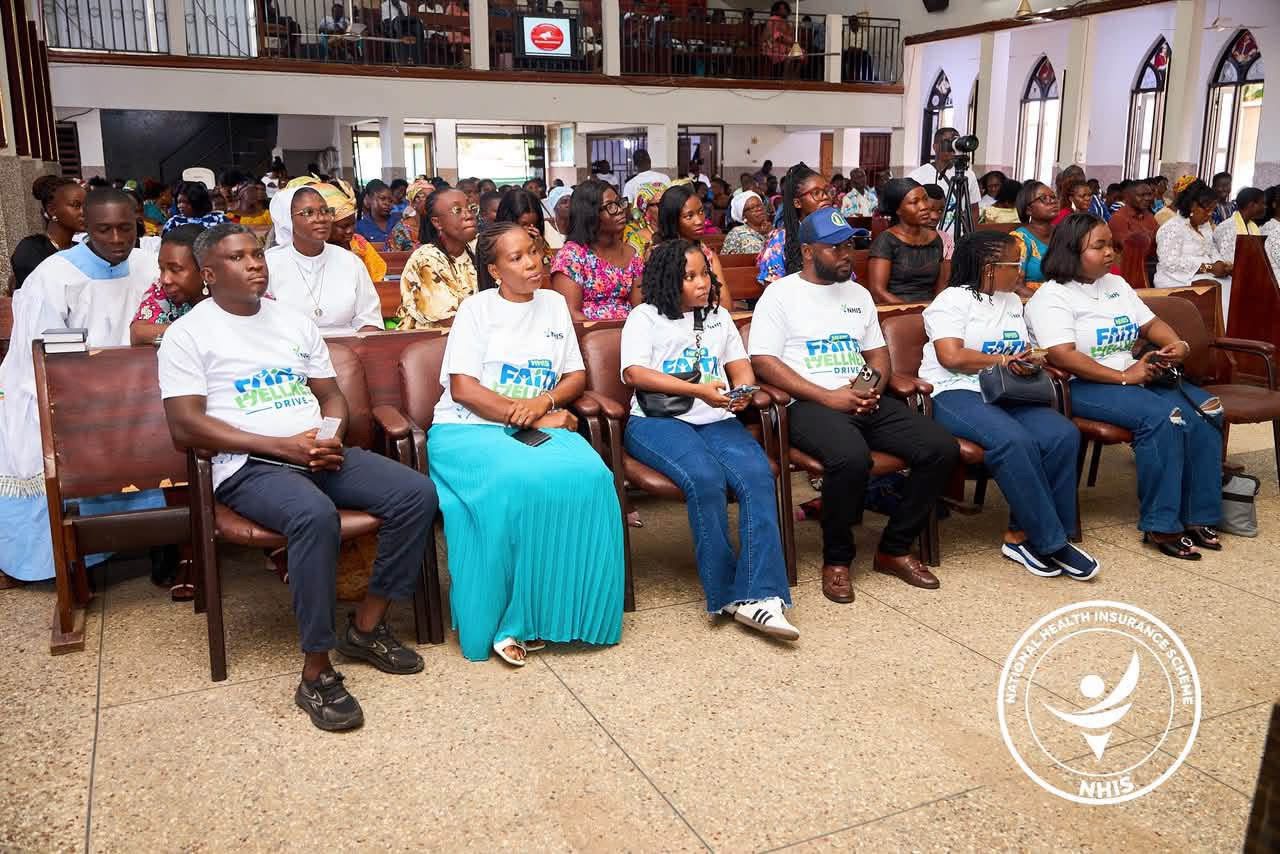
    The National Health Insurance Authority (NHIA) has launched the Faith and Wellness Drive, a nationwide community outreach initiative aimed at bringing National Health Insurance Scheme (NHIS) registration, renewal and health insurance education directly to churches, mosques and other faith-based organisations across Ghana.

    The initiative, which forms part of the NHIA’s broader strategy to accelerate progress towards Universal Health Coverage (UHC), seeks to make health insurance services more accessible by reaching people where they live, work and worship while promoting preventive healthcare and encouraging active participation in the National Health Insurance Scheme.

    “The initiative brings NHIS services directly to where people live and worship.”

    NHIA

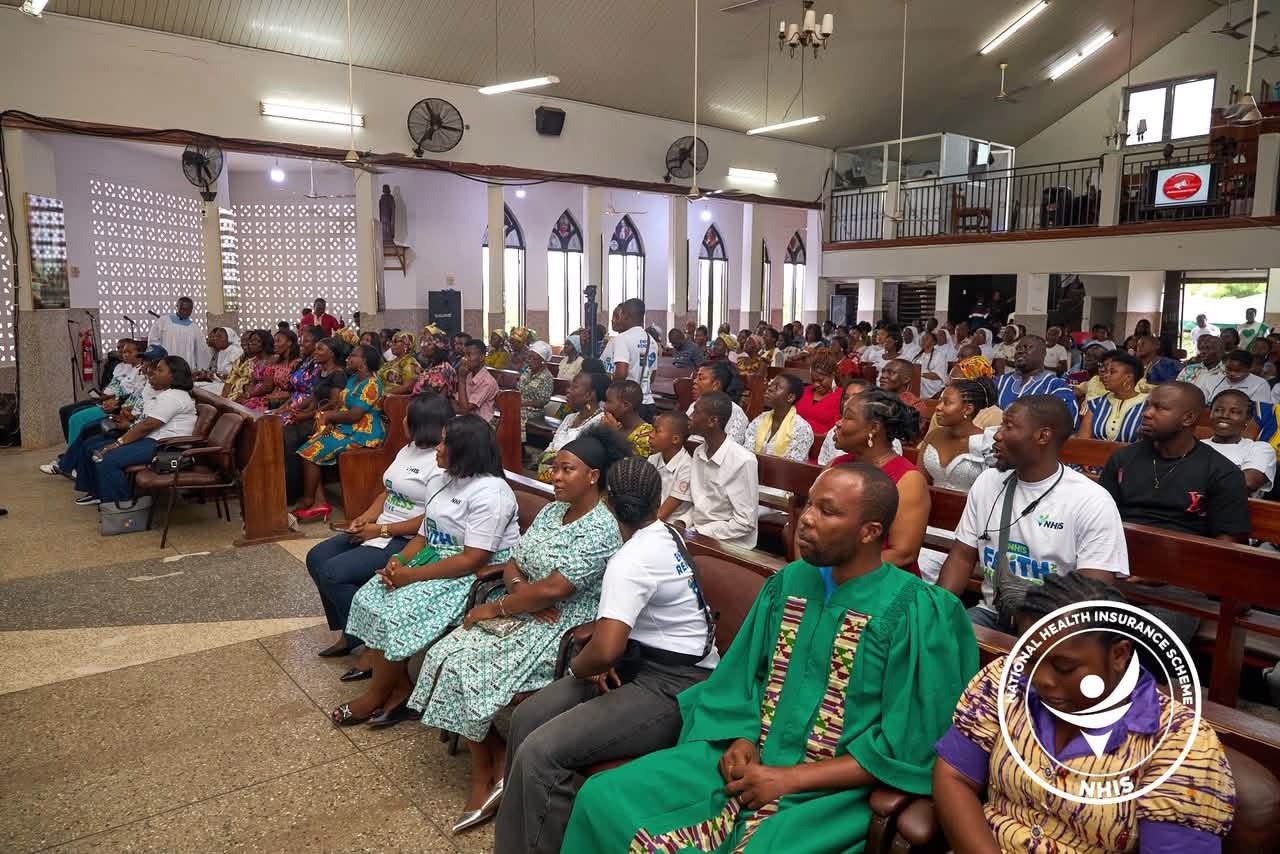
    The programme, an initiative of the Marketing and Branding Unit of the Corporate Affairs Directorate, was officially launched at St. John the Baptist Parish in Pedu in the Central Region, where NHIA officials reaffirmed the Authority’s commitment to removing barriers to healthcare access through sustained community engagement.

    NHIA at St John the Baptist Parish

    NHIA have increasingly recognised faith-based organisations as influential partners in promoting public health because of their extensive reach, trusted leadership and regular interaction with millions of Ghanaians. The NHIA believes leveraging these platforms will help improve public awareness of the benefits of health insurance while encouraging early healthcare-seeking behaviour and preventive medical care.

    Taking Health Insurance Services to Communities

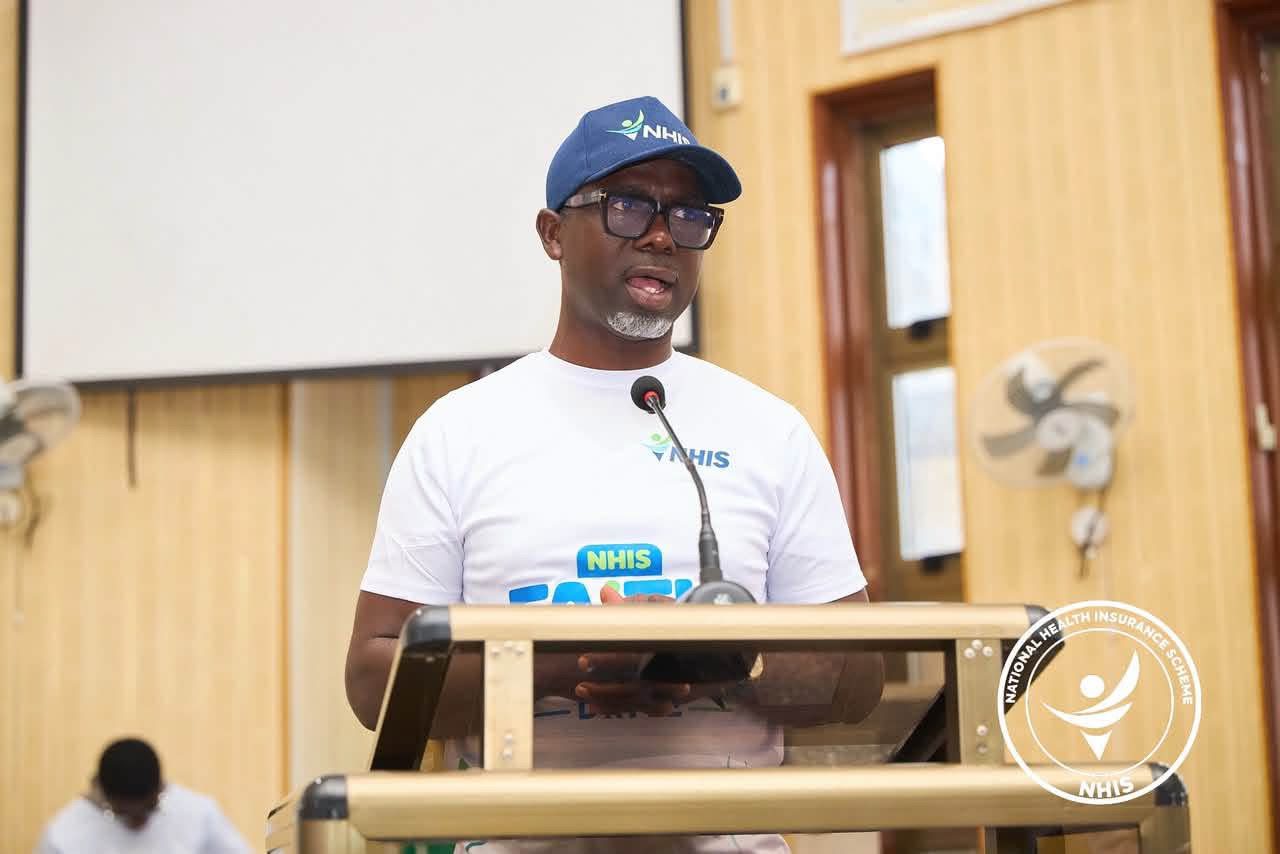
    Speaking at the launch, Deputy Director of Marketing and Branding, Angela Asiedu, Esq, described faith-based organisations as indispensable partners in the country’s pursuit of improved healthcare outcomes.

    She explained that churches, mosques and other religious institutions occupy a unique position within communities and therefore provide credible platforms for educating citizens on preventive healthcare while encouraging them to maintain active NHIS membership.

    “Faith-based organizations are strategic partners in building healthier communities.”

    Deputy Director of Marketing and Branding, Angela Asiedu, Esq,

    She noted that the Faith and Wellness Drive represents a deliberate effort by the Authority to move beyond conventional service delivery by taking registration and educational services directly to communities instead of expecting citizens to visit NHIA offices.

    According to her, the initiative reflects the Authority’s commitment to ensuring that every Ghanaian, regardless of location or socioeconomic background, has easier access to health insurance services and the information needed to make informed healthcare decisions.

    The programme will see NHIA officials collaborate with churches, mosques and other places of worship nationwide to organise registration exercises, membership renewals and public education sessions focused on preventive healthcare and the importance of continuous NHIS coverage.

    Maintaining Active NHIS Membership

    Also addressing the gathering, Central Regional Director, Kojo Koi Sekyere Thompson, outlined the numerous benefits available under the National Health Insurance Scheme and encouraged members of the public to renew their membership promptly to avoid interruptions in healthcare access.

    Central Regional Director, Kojo Koi Sekyere Thompson,

    He emphasised that maintaining active NHIS membership remains one of the most effective ways for individuals and families to protect themselves against unexpected medical expenses while ensuring timely access to essential healthcare services.

    “We encourage members to keep their NHIS membership active to ensure uninterrupted access to healthcare,”

    Mr. Thompson

    He observed that although the Scheme has significantly improved healthcare accessibility over the years, continuous public education remains essential to sustaining enrolment and ensuring that beneficiaries fully understand the range of services available under the NHIS.

    The Faith and Wellness Drive, he noted, provides an additional opportunity for the Authority to strengthen public confidence in the Scheme while expanding its reach among underserved populations.

    Promoting Preventive Healthcare

    The outreach programme also places considerable emphasis on preventive healthcare, an area government has increasingly prioritised as part of broader efforts to reduce the burden of preventable diseases and lower healthcare costs.

    NHIA

    Speaking during the launch, Deputy Director of the Claims Processing Centre, Dr. Abena Ekufua Esia-Donkoh, highlighted the introduction of free primary healthcare by the Government and urged members of the public to take full advantage of the intervention.

    She encouraged Ghanaians to seek regular medical check-ups rather than waiting until illnesses become severe before visiting health facilities.

    “The introduction of free primary healthcare provides an opportunity for citizens to prioritise preventive care through regular medical check-ups and early health screening.”

    Dr. Abena Ekufua Esia-Donkoh noted.

    She explained that preventive healthcare remains one of the most effective strategies for improving health outcomes while reducing the long-term financial burden associated with treating advanced illnesses.

    According to her, active NHIS membership, combined with routine medical consultations, will contribute significantly to achieving healthier communities and strengthening Ghana’s healthcare system.

    Community Leaders Welcome Initiative

    The launch received strong support from community leaders, who described the initiative as timely and responsive to the healthcare needs of ordinary Ghanaians.

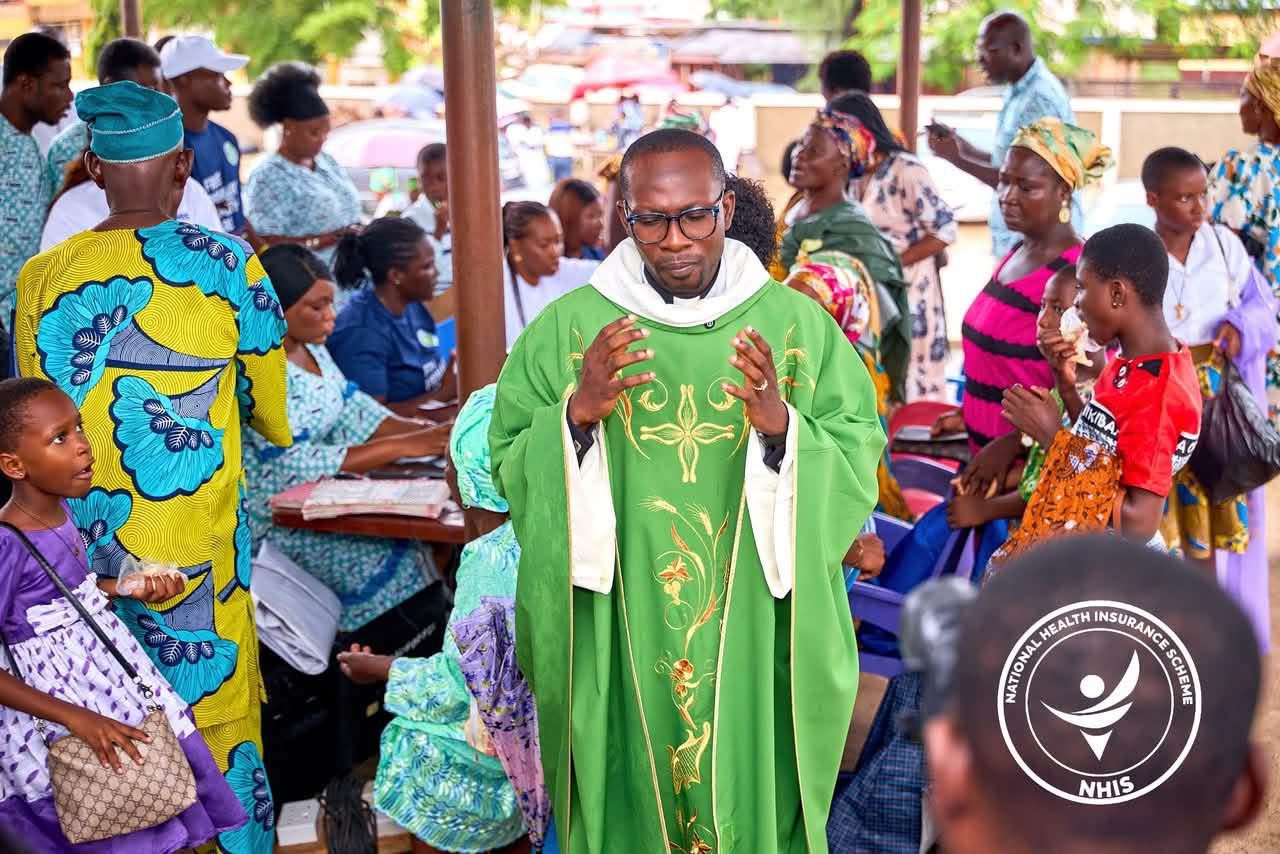
    The Parish Priest of St. John the Baptist Parish, Rev. Fr. Edward Kwabena Nti, commended the NHIA for bringing health insurance education directly to the church, describing the initiative as an important step towards improving public awareness and encouraging greater participation in the National Health Insurance Scheme.

    He noted that places of worship regularly bring together large sections of the population, making them effective venues for delivering important public education messages on health and wellbeing.

    Similarly, Assembly Member for the Pedu Electoral Area, James Arthur, encouraged residents to make full use of the opportunity provided by the outreach programme by registering with the NHIS or renewing expired memberships.

    He urged community members to take personal responsibility for their health by ensuring continuous enrolment in the Scheme and participating in preventive healthcare programmes.

    Supporting Universal Health Coverage

    The Faith and Wellness Drive reflects the National Health Insurance Authority’s ongoing efforts to improve service delivery through innovative community-based approaches that make healthcare more accessible and inclusive.

    By partnering with faith-based organisations, the Authority hopes to deepen public understanding of the National Health Insurance Scheme while increasing active membership and promoting healthier lifestyles through preventive healthcare education.

    Father’s Image

    The outreach strategy also aligns with Ghana’s broader commitment to achieving Universal Health Coverage by ensuring that every individual has access to quality healthcare services without experiencing financial hardship.

    Through sustained collaboration with religious institutions, community leaders and healthcare professionals, the NHIA intends to strengthen healthcare delivery at the grassroots level while bringing essential services closer to the people.

    As the programme expands nationwide, the Authority expects the Faith and Wellness Drive to improve enrolment, increase membership renewals and reinforce preventive healthcare practices within communities.

    The initiative represents another important step in the NHIA’s broader mission of ensuring that health insurance services remain accessible, responsive and centred on the needs of every Ghanaian, while advancing the country’s long-term goal of equitable and universal access to quality healthcare.

  • Ghana Will Not Yield to Drug Traffickers, Chief of Staff Declares

    Ghana Will Not Yield to Drug Traffickers, Chief of Staff Declares

    Chief of Staff Julius Debrah has reaffirmed the government’s determination to combat drug abuse and illicit trafficking, declaring that criminal networks will not be allowed to undermine Ghana’s communities, endanger its youth, or threaten national security.

    Speaking on behalf of President John Dramani Mahama at the commemoration of the International Day Against Drug Abuse and Illicit Trafficking, Mr Debrah said the global drug problem has evolved into a complex challenge that demands innovative and coordinated responses.

    The event was held under the theme, The World Drug Problem, Persisting Issues, New Challenges, and Innovative Responses. He said drug abuse can no longer be viewed solely as a law enforcement issue, explaining that it now affects public health, national development, family stability, and security.

    “The global drug problem continues to evolve in ways that challenge governments, communities, and families across the world. What was once viewed primarily as a law enforcement issue has now become a broader public health, development, and security challenge”.

    Chief of Staff Julius Debrah

    According to Mr Debrah, substance abuse weakens productivity, places enormous pressure on public resources, and deprives young people of opportunities to realise their full potential.

    Protecting Ghana’s Greatest Asset

    The Chief of Staff stressed that Ghana’s greatest national resource is its people, particularly its youth, making the fight against drug abuse a national priority. “Our greatest asset is our people, and they need to be protected,” he said.

    He noted that every young person lost to addiction represents lost talent and unrealised potential that could have contributed to national development.

    Likewise, every family affected by substance abuse bears emotional and social burdens that extend beyond the household, while communities weakened by drugs lose part of their resilience.

    This is why governments view the fight against drug abuse and illicit trafficking as a matter of national importance,” he added. Mr Debrah said protecting young people is essential to securing Ghana’s future, which depends on the health, creativity, discipline, and productivity of its citizens.

    Firm Enforcement and Compassionate Support

    While emphasising the need for strong law enforcement, the Chief of Staff also called for compassion towards individuals battling addiction.

    He said criminal organisations that traffic illicit drugs and exploit vulnerable young people must face the full force of the law. At the same time, he urged society to recognise that many people suffering from addiction are themselves victims who deserve support rather than rejection.

    “They are our brothers and our sisters. They are our sons and daughters. They are members of our community whose lives have been disrupted by dependency and whose recovery deserves our support”.

    Chief of Staff Julius Debrah

    According to him, a compassionate society must provide access to treatment, rehabilitation, and reintegration while restoring hope to people struggling with substance dependence.

    “A compassionate society does not abandon people who need help. It provides pathways to treatment, rehabilitation, and reintegration. It offers hope where there was despair and opportunity where there was once only uncertainty”.

    Chief of Staff Julius Debrah

    Government Intensifies Fight Against Drug Networks

    Mr Debrah said the government remains committed to a balanced strategy that combines prevention, treatment, rehabilitation, recovery, and law enforcement.

    He praised the work of Ghana’s security and intelligence agencies for identifying and disrupting criminal organisations involved in illicit drug trafficking, noting that organised crime continues to evolve through the use of technology and cross border operations.

    “Our response must therefore be equally innovative, intelligence-driven, and coordinated,” he said. The Chief of Staff delivered a strong warning to drug traffickers, insisting that the government would pursue anyone seeking to profit from the destruction of lives.

    “The government of Ghana will not allow criminal enterprises to undermine our communities, endanger our youth, and compromise our national security. It will not happen under the watch of President Mahama.

    “Those who seek to enrich themselves through the trafficking of illicit drugs must understand that the full force of the law will be brought to bear against them. Ghana’s future cannot and will not be held hostage by criminal networks”.

    Chief of Staff Julius Debrah

    Prevention Begins With Opportunity

    Although enforcement remains essential, Mr Debrah argued that preventing young people from becoming involved with drugs remains the most effective long term solution.

    He called on parents, teachers, traditional leaders, religious organisations, civil society groups, and government institutions to work together in protecting young people from substance abuse.

    “Parents must continue to engage their children with honesty and care. Teachers must continue to guide and mentor the next generation. Traditional and religious leaders must continue to promote values that strengthen communities and build character”.

    Chief of Staff Julius Debrah

    He also commended civil society organisations for their work in education, advocacy, and rehabilitation, while stressing that government must continue creating opportunities that inspire hope among young people.

    Mr Debrah linked the anti drug campaign to the broader vision of the Mahama administration, saying investments in education, skills development, and employment reduce the vulnerabilities that criminal organisations exploit.

    “Prevention begins with opportunity, and opportunity remains one of the most powerful tools in building a healthier and more secure society,” he said.

    International Cooperation and Shared Responsibility

    The Chief of Staff observed that illicit drug trafficking is a transnational problem that requires close international cooperation to combat effectively.

    He urged governments and development partners to strengthen collaboration in confronting organised crime while protecting communities from the harmful effects of drug trafficking.

    Reflecting on the significance of World Drug Day, Mr Debrah reminded participants that every statistic represents a human life and every successful rehabilitation marks the recovery of a future that might otherwise have been lost.

    President Mahama’s Message

    Mr Debrah concluded by delivering President Mahama’s message to Ghanaians, particularly young people, urging them to reject illicit drugs and embrace healthier and more productive lives.

    “The challenge is affecting many Ghanaian families. Behind every case of addiction is a story of lost potential, broken dreams and a family struggling with pain. It weakens our social fabric and deprives our nation of the vibrant talent needed for our development”.

    President John Dramani Mahama

    Addressing the youth directly, President Mahama urged them to safeguard their future by making responsible choices.”Your future is too bright to be dimmed by illicit drugs. I urge you to choose a healthy, productive, and fulfilling life.”

    The Chief of Staff in concluding his remarks, appealed to parents, teachers, traditional authorities, and religious leaders to strengthen guidance and vigilance in homes and schools, stressing that the fight against drugs begins within families and communities.

    Together, we can build a healthier, drug free Ghana. Let’s get to work. Let’s make our nation great and strong,” the President said.

  • Korle-Bu Records its First Off-Pump Heart Bypass Surgeries, Marks Major Cardiac Care Breakthrough

    Korle-Bu Records its First Off-Pump Heart Bypass Surgeries, Marks Major Cardiac Care Breakthrough

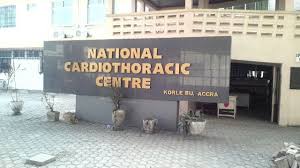
    The National Cardiothoracic Centre (NCTC) at the Korle Bu Teaching Hospital has successfully performed its first two Off-Pump Coronary Artery Bypass Grafting (OPCAB) procedures, marking a major milestone in Ghana’s cardiovascular healthcare and expanding the country’s capacity to provide advanced heart surgery.

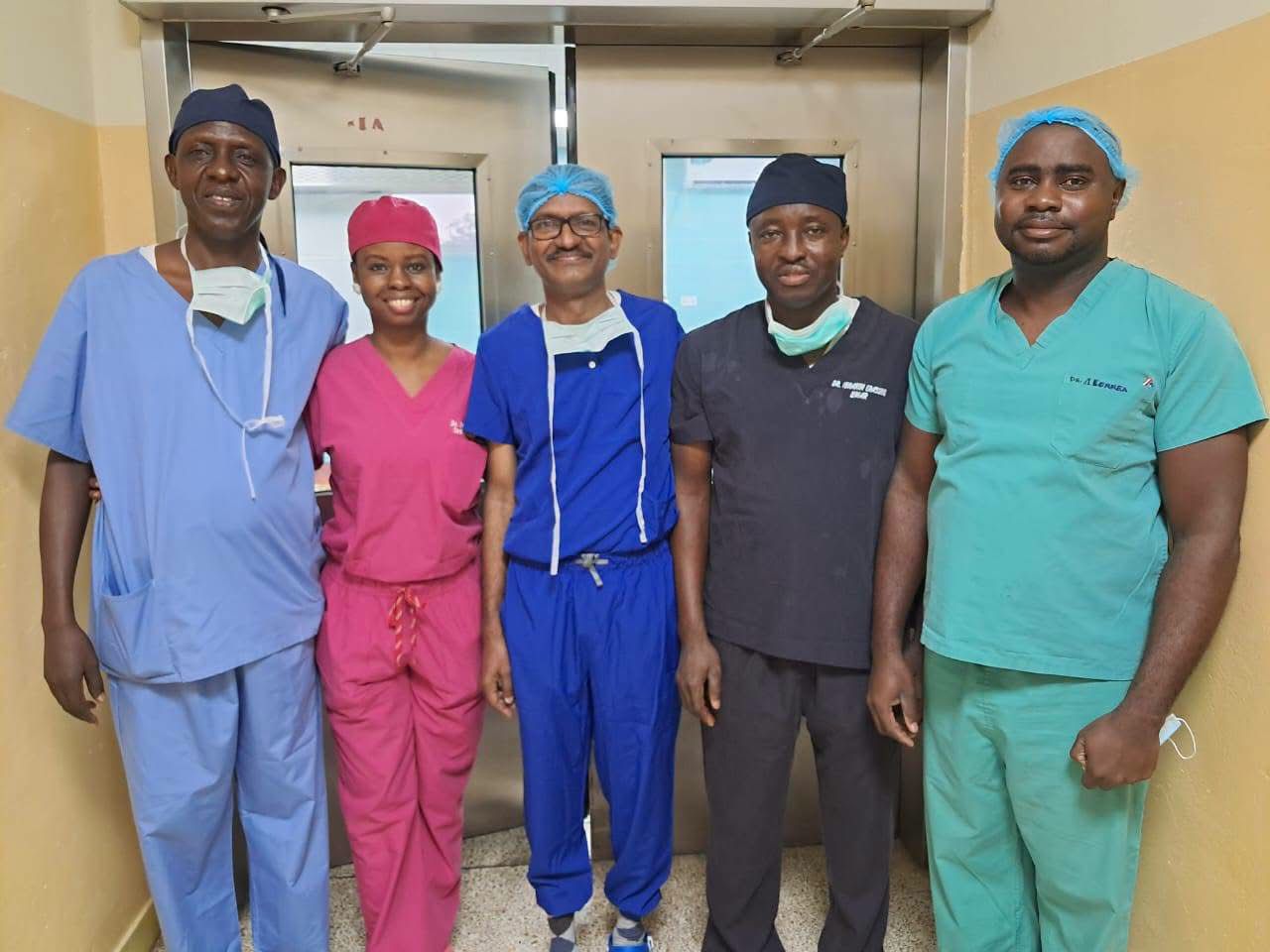
    The pioneering operations, completed with the support of renowned Indian cardiac surgeon Dr. Shridhar Padagatti, introduce a sophisticated surgical technique that enables surgeons to perform coronary artery bypass operations on a beating heart without relying on a heart-lung machine.

    “The advanced beating-heart bypass procedure at the National Cardiothoracic Centre marks a significant milestone in Ghana’s healthcare journey, strengthening our capacity to deliver world-class cardiovascular surgery while improving outcomes for patients.”

    National Cardiothoracic Centre (NCTC)

    The center said the procedure offers carefully selected patients the prospect of fewer complications, reduced surgical risks, and faster recovery compared to conventional bypass surgery.

    Team with Dr. Shridar Padagatti

    The achievement represents a significant advancement in the National Cardiothoracic Centre’s coronary surgery programme and further strengthens Korle-Bu Teaching Hospital’s position as a leading referral centre for specialised cardiac care in Ghana and the West African sub-region.

    According to the Centre, the successful surgeries reflect years of sustained investment in specialist training, multidisciplinary teamwork and modern cardiac care aimed at improving treatment outcomes for patients with complex heart diseases.

    “This remarkable achievement reflects the Centre’s unwavering commitment to clinical excellence, innovation and the delivery of world-class cardiac care,”

    National Cardiothoracic Centre (NCTC)

    Landmark Achievement for Ghana’s Cardiac Surgery Programme

    The successful introduction of Off-Pump Coronary Artery Bypass Grafting represents an important milestone in the evolution of cardiac surgery in Ghana.

    Unlike conventional coronary artery bypass surgery, which typically requires temporarily stopping the heart and using a heart-lung machine to maintain blood circulation, the OPCAB technique allows surgeons to perform the operation while the heart continues beating throughout the procedure.

    Some medical professionals of the National Cardiothoracic Centre (NCTC)

    NCTC noted that this approach can reduce complications associated with the heart-lung machine and may improve recovery for appropriately selected patients.

    By successfully completing the first two procedures, the National Cardiothoracic Centre has expanded the range of specialised surgical services available to patients requiring coronary artery bypass surgery within the country.

    The development is expected to reduce the need for some patients to seek advanced cardiac procedures abroad while improving access to highly specialised cardiovascular care locally.

    International Collaboration Supports Medical Innovation

    The landmark procedures were undertaken with the technical support and expertise of visiting Indian cardiac surgeon, Dr. Shridhar Padagatti, whose collaboration with the local surgical team facilitated the successful introduction of the advanced technique.

    The Centre described the partnership as an example of the value of international collaboration in strengthening specialist healthcare services through skills transfer and professional exchange.

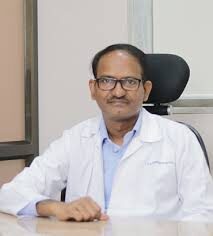
    Dr. Shridhar Padagatti

    The Centre indicated that such collaborations contribute significantly to building local capacity by exposing Ghanaian specialists to emerging surgical techniques and global best practices.

    “Continued partnerships with experienced international experts are essential to expanding Ghana’s capabilities in complex cardiac surgery, building local expertise, and ensuring the highest standards of patient care.”

    National Cardiothoracic Centre (NCTC)

    Leadership and Teamwork Drive Success

    The achievement was realised under the leadership of the Director of the National Cardiothoracic Centre, Dr. Kow Entsua-Mensah, whose administration has continued to prioritise innovation, clinical excellence and the expansion of specialised cardiovascular services.

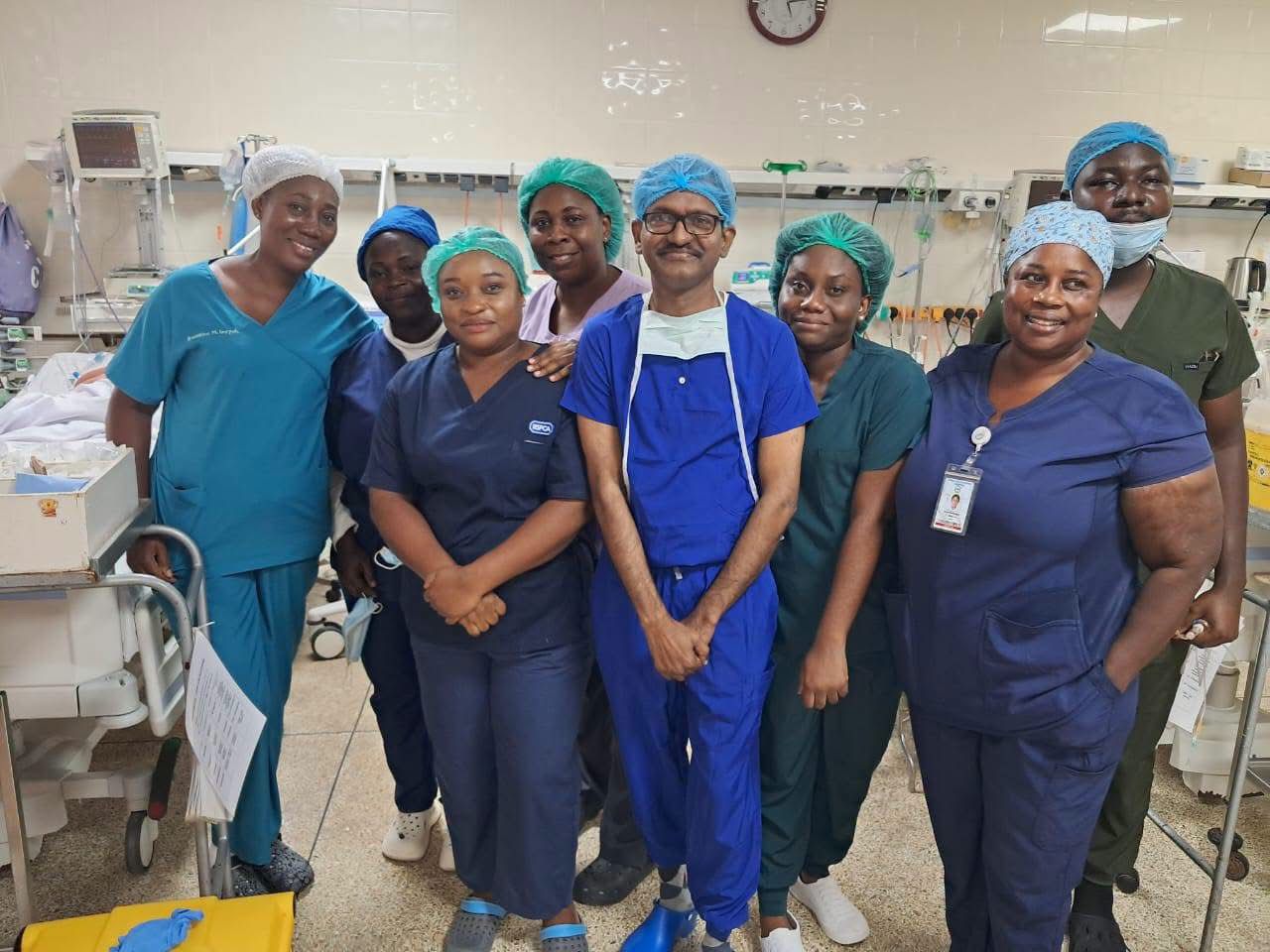
    The Centre attributed the successful surgeries to the coordinated efforts of a multidisciplinary team comprising cardiothoracic surgeons, cardiologists, anaesthetists, perfusionists, nurses and theatre personnel.

    According to the Centre, the operations demonstrated the importance of teamwork in managing complex surgical procedures that require precision, specialised expertise and seamless coordination among healthcare professionals.

    “This accomplishment underscores the strength of multidisciplinary collaboration among our surgeons, physicians, nurses and allied health professionals in advancing cardiovascular healthcare in Ghana.”

    National Cardiothoracic Centre (NCTC)

    Better Outcomes for Selected Patients

    NCTC further explain that Off-Pump Coronary Artery Bypass Grafting has become an important option for carefully selected patients with coronary artery disease.

    Because the procedure is performed while the heart continues beating, it may reduce the risk of certain complications associated with conventional bypass surgery.

    TEAM

    Patients may also benefit from shorter recovery periods, reduced blood transfusion requirements and improved postoperative outcomes depending on their clinical condition.

    The National Cardiothoracic Centre noted that introducing the procedure forms part of its broader commitment to continuously improve the quality of specialised cardiac care through the adoption of modern evidence-based surgical techniques.

    They emphasised that patient selection will remain an important consideration to ensure the procedure delivers the greatest possible benefit.

    Expanding Access to Advanced Cardiac Care

    The Centre believes the successful adoption of the OPCAB technique will further strengthen Ghana’s capacity to manage complex cardiovascular diseases locally while improving access to specialised treatment for patients across the country and neighbouring states.

    As cardiovascular diseases continue to place increasing pressure on healthcare systems globally, expanding local expertise in advanced cardiac surgery has become an important priority for specialist health institutions.

    The achievement reinforces the National Cardiothoracic Centre’s reputation as one of the region’s leading centres for cardiovascular medicine and surgery.

    “We are confident that continued investment in innovation, specialist training, and strategic partnerships will further strengthen Ghana’s position as a leading destination for high-quality cardiac care in the region.”

    National Cardiothoracic Centre (NCTC)

    Congratulating the entire surgical and clinical team, the Centre reaffirmed its commitment to building on the success of the landmark procedures by expanding access to advanced heart surgery, strengthening specialist services and ensuring that more patients benefit from world-class cardiovascular care without leaving the country.

  • IMANI’S Veep Questions Whether World Bank’s Mission 300 Delivered Any New Connections

    IMANI’S Veep Questions Whether World Bank’s Mission 300 Delivered Any New Connections

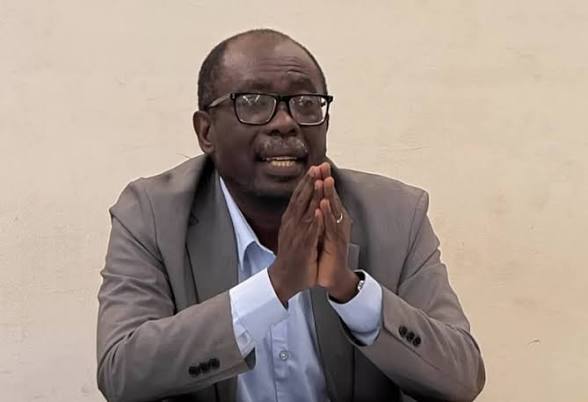
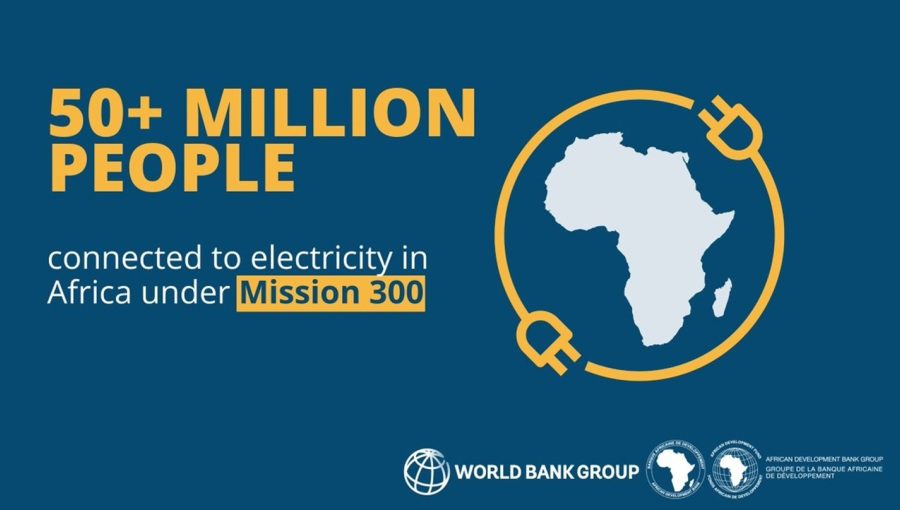
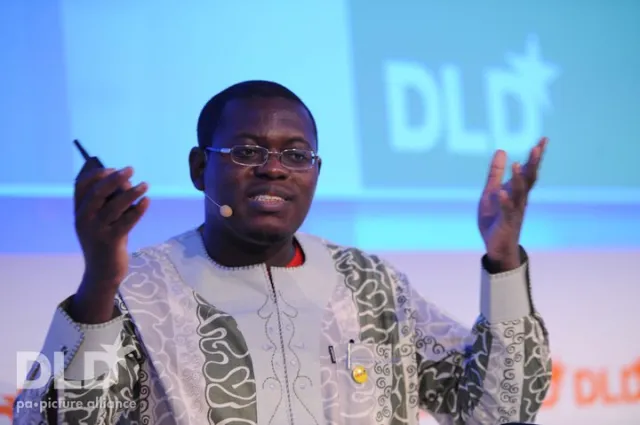
    Bright Simons, Honorary Vice President of IMANI Africa and Senior Visiting Fellow at ODI Global, is raising serious questions about the credibility of the 50 million people figure at the heart of Mission 300 – the World Bank and African Development Bank’s flagship electrification initiative, arguing that the number reflects little more than a rebranding of projects that existed long before the programme was conceived.

    Writing in BusinessDay, Simons investigated the claim that the joint initiative, launched in April 2024, had already reached 50 million beneficiaries across 40 countries in under two years, a milestone the two institutions announced on June 16, 2026, describing it as proof of a new way of doing business and a near doubling of the pace of electricity delivery across the continent.

    What he found was troubling.

    Mission 300 increasingly resembles a narrative super-platform rather than a resource multiplier, a shell assembling old results under a new brand, much as a start-up might fold existing services into a ‘super app’ to dazzle investors without building anything truly groundbreaking.

    Bright Simons, Honorary Vice President, IMANI Africa & Senior Visiting Fellow, ODI Global, writing in BusinessDay

    The Numbers Behind The Headline

    Rather than accepting the announcement at face value, Simons audited the source code of the tracking tools used by both institutions, downloaded the underlying datasets, reviewed contract awards, and cross-referenced project implementation reports filed with both banks.

    On the African Development Bank side, the headline metric “People Connected” was found to be computed by a remarkably simple operation: filter rows marked as delivered and sum a single column. There is no threshold for installed megawatts, no commissioning gate, and no check to confirm whether Mission 300 launched, financed, or had any involvement in the project being counted. A row qualifies simply because it was tagged as delivered somewhere within the broader portfolio.

    Mission 300 Private Sector Consultation

    Applying that same logic to the AfDB’s publicly available data yields 1.31 million people, a figure dramatically short of the 5.2 million the bank reports on its live portal. The headline number cannot be reproduced from the data the bank itself has made openly available.

    More damning still, 99.5 percent of the beneficiaries in the auditable dataset come from projects approved before Mission 300’s April 2024 launch. The most recent project approval in the dataset dates to April 2022, two full years before the initiative existed. Showcase projects cited in AfDB materials include Kenya’s Last Mile Connectivity Project, approved in 2014, Sierra Leone’s Bo-Kenema power system, approved in 2016, and the CLSG regional interconnector, approved in 2013- creditable operations that predate Mission 300 by up to a decade.

    The live portal currently records zero megawatts of new generation capacity installed, zero kilometres of new transmission lines, and zero kilometres of new distribution lines under Mission 300.

    The ‘people connected’ number has, quite literally, no accompanying supporting infrastructure to buttress it.

    Bright Simons, writing in BusinessDay

    A Counting Window, Not A Causal Test

    The World Bank’s methodology, which accounts for the overwhelming bulk of the 50 million figure, the AfDB’s own target is 50 million of the 300 million expected to be connected by 2030, is disclosed with what Simons describes in BusinessDay as disarming candour in the fine print. That candour, however, did not travel into the press release.

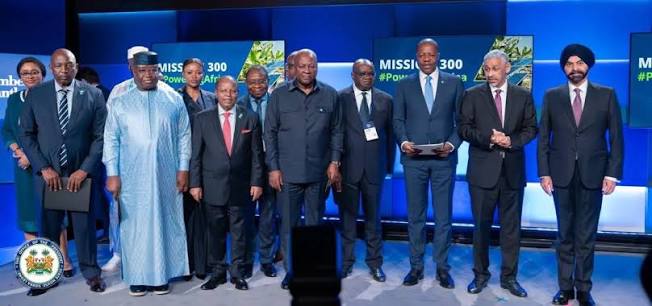
    Mission 300 summit in New York

    The bank’s portal defines “People Connected” as connections made through bank-financed operations active or closed during a reporting window that begins July 1, 2023, nine months before Mission 300 was conceived and ends December 2030. Any project approved in 2016 qualifies in full, provided its connections fall within that window. The metric does not test, at any point, whether Mission 300 caused, accelerated, or contributed to a single one of those connections.

    What the World Bank has constructed is a counting window, a very different kind of organism from a causal test. The press release wraps those same heavily caveated figures in the language of transformation, contriving the impression of a genuine electricity delivery revolution. The result is a number that is internally honest and externally misleading at the same time.

    Bright Simons, writing in BusinessDay

    Tanzania And Nigeria: Where It Gets Most Vivid

    The flagship country cases are where the pattern becomes impossible to ignore.

    Tanzania’s 7.5 million newly connected people, the centrepiece of the entire announcement, trace back to the Rural Electrification Expansion Programme, known as TREEP, approved in June 2016. By December 2024, TREEP had already hit its target of 1.585 million connections, disbursed over 91 percent of its funds, and electrified more than 12,000 villages. Tanzania’s own National Energy Compact records that the country was already connecting over half a million people annually before Mission 300 was launched. The successor programme, ASCENT, was only declared effective in December 2024. The “five-fold increase in pace” trumpeted in the press release, Simons notes, is not derived from either tracker and is exceedingly difficult to defend against the pre-existing baseline.

    Powering Africa

    Nigeria’s 4.5 million, attributed to private sector-led initiatives, follow the same logic but leave a more revealing paper trail. The programme being credited is DARES – the Distributed Access through Renewable Energy Scale-up programme, the successor to the Nigeria Electrification Project approved in 2018 and operationally active until December 2024. By March 2024, a full month before Mission 300’s launch, that predecessor programme had already recorded over 5.5 million beneficiaries, driven largely by its standalone solar home systems component, which had exceeded one million verified and paid connections.

    The genuinely new component of DARES, its Minimum Subsidy Tender for interconnected mini-grids, signed its first developer awards in May 2026, just weeks before the triumphant press release. Under programme rules, developers have twelve months from contract signing to build and commission, followed by six months of verified supply before grant disbursement. The earliest possible verified connection from those awards is mid-to-late 2027. The first performance-based mini-grid grants, signed in mid-2025, targeted approximately 19,000 connections. Thousands, not millions.

    The World Bank’s own programme documentation contains an explicit carry-forward window through which companies previously funded under the old Nigeria Electrification Project were migrated into DARES for continued payment. It is not an outside inference; it is a line item in the bank’s own records.

    The Stakes Of Getting This Wrong

    Simons is measured in how far he takes the charge. Writing in BusinessDay, he does not call the connections fictional. People across Africa are genuinely gaining electricity access, he acknowledges, and the programmes delivering that deserve credit regardless of the label they carry. The 30 National Energy Compacts, the $15 billion in development bank commitments, and the $4.5 billion in co-financing are real institutional achievements that may well accelerate delivery in the years ahead.

    Bright Simons, Honorary Vice President, IMANI Africa & Senior Visiting Fellow, ODI Global

    But the distinction between a delivery milestone and a branding exercise, he argues, carries consequences that go well beyond optics.

    If the world accepts that a two-year-old initiative has electrified 50 million Africans, the pressure to mobilise the genuinely additional capital needed for the remaining 250 million will quietly dissipate. Why build new power plants when you can rebadge old solar lanterns? Why fight for transmission corridors when a spreadsheet formula will do?

    Bright Simons, Honorary Vice President, IMANI Africa & Senior Visiting Fellow, ODI Global, writing in BusinessDay

    Africa’s electrification deficit still stands at more than 600 million people. Four years remain before the 2030 deadline. Whether Mission 300 becomes the transformative programme it presents itself as – or the most sophisticated accounting exercise in the history of development finance-depends entirely on whether the remaining 250 million connections represent power plants, transmission substations, and distribution networks that would not have been built without it.

    On the evidence assembled so far, Simons says that the question remains entirely open.

  • GES Bans SHS Graduation Ceremonies Over Extravagant Celebrations

    GES Bans SHS Graduation Ceremonies Over Extravagant Celebrations

    Ministry of Education has directed the immediate suspension of all Senior High School graduation ceremonies nationwide over concerns about excessive displays of wealth during post-examination celebrations.

    The move follows an earlier Ghana Education Service ban on flamboyant celebrations after reports of parents presenting expensive gifts, including cars and money bouquets, to students at school events, with the Ministry saying growing public concern over these extravagant displays prompted the decision to protect the values of discipline, modesty and equality within schools.

    “The Ministry wishes to emphasize that schools are institutions for learning, character development, discipline, and the nurturing of responsible citizens. Graduation ceremonies are intended to celebrate academic achievement and personal growth and should therefore reflect the values of modesty, dignity, and respect associated with the educational environment,”.

    Ghana education service

    the Minister for Education, Hon. Haruna Iddrisu, directed the Director-General of the Ghana Education Service to suspend all Senior High School graduation ceremonies with immediate effect pending a comprehensive review of the existing guidelines governing such events.

    The Ministry indicated that the review is intended to ensure that school ceremonies remain consistent with the objectives of Ghana’s education system while promoting discipline, responsibility and moral development.

     GES Moves to Curb Flamboyant Celebrations

    A day before the Ministry’s directive, the Ghana Education Service had announced a ban on lavish post-examination celebrations on school premises following what it described as an emerging culture of ostentatious displays by some parents and guardians.

    In a statement signed by the Head of Public Relations, Daniel Fenyi, on 20th June, 2026. GES noted with concern that some parents were increasingly presenting expensive gifts, including motor vehicles and money bouquets, to students immediately after completing their Senior High School education.

    While acknowledging that parents have every right to celebrate the achievements of their children, the Service stressed that such extravagant displays have no place within educational institutions.

    “In order to ensure that this practice does not gain roots in the school culture, Management wishes to inform the general public that, henceforth, post-examination celebrations that are characterised by lavish presentation of items such as motor vehicles to students are prohibited on school premises,”.

    Daniel Fenyi, Head of Public Relations,

    The GES further warned that heads of schools who permit such practices on their campuses would face sanctions.Protecting Equality Within Schools

    The Ghana Education Service explained that schools are intended to serve as social equalisers where merit, discipline and personal effort take precedence over economic status.

    Daniel Fenyi

    According to the Service, public displays of wealth during school ceremonies risk creating visible socio-economic divisions among students while shifting attention away from academic achievement to financial privilege.

    The Service also cautioned that the growing trend could expose students from less privileged backgrounds to unnecessary psychological distress when they are unable to participate in similar celebrations.

    “Schools are designed to promote social equalizers where merit and personal effort take priority over economic status. Ostentatious displays of wealth by parents on school premises create visible socio-economic divisions, shift the focus from academic achievement to financial privilege, and can foster psychological distress among students whose parents are not able to compete in such flamboyant celebrations,”

    GES

    The GES therefore appealed to parents, guardians and other stakeholders to cooperate with the new measures to preserve the values and integrity of Ghana’s educational institutions.

    Growing Debate Over Graduation Celebrations

     Graduation and post-examination celebrations in some Senior High Schools have become increasingly elaborate, with parents presenting luxury vehicles, cash gifts and other expensive items to students on school compounds.

    While some parents have defended the celebrations as expressions of appreciation for their children’s academic achievements, education stakeholders argue that the trend is turning school ceremonies into displays of wealth rather than celebrations of educational success.

    GES has warned that such practices risk widening social inequalities, encouraging unhealthy competition and placing pressure on families, while the government’s intervention aims to preserve the educational purpose of graduation ceremonies and promote humility, discipline and equal opportunity in schools.

    All Senior High School graduation ceremonies will remain suspended pending a review of existing guidelines aimed at promoting academic excellence while discouraging excessive displays of wealth.