The Economic Governance Platform (EGP), a coalition of civil society organizations focused on economic issues has stated that Ghana’s journey to economic recovery demands a critical reassessment of its debt management practices.
The Economic Governance Platform is championing a national dialogue on sustainable debt management as a vital step towards long-term economic stability. The EGP’s advocacy highlights the urgent need for pragmatic measures to curb the nation’s dependency on borrowing, a dependency that has repeatedly driven Ghana to seek bailouts from the International Monetary Fund (IMF).
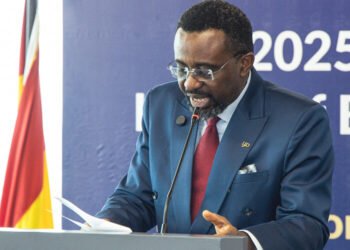
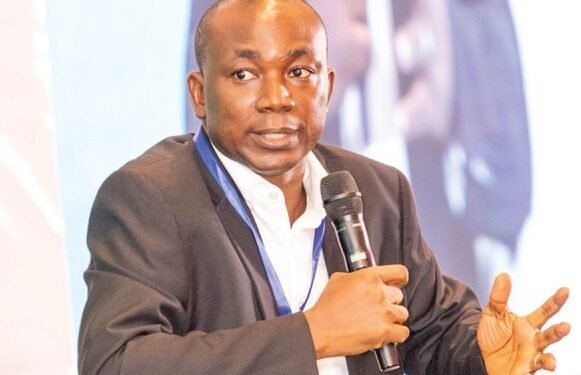
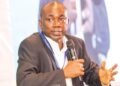
Mr. Abdul Karim Mohammed, Coordinator of the EGP, underscores that Ghana’s recurrent subscriptions to IMF programs are primarily driven by debt crises. Speaking at a citizens’ engagement forum in Kumasi, he emphasized the necessity of broad stakeholder consultation to address the persistent unsustainable debt levels that plague the country.
The forum, which gathered inputs from local civil society organizations, the private sector, organized youth groups, students, and the media, aimed to foster a national dialogue on sustainable debt management.
Participants at the forum were provided with an extensive overview of the current IMF program and its implications for national development, particularly in critical sectors such as health and education. Mr. Mohammed highlighted the frequency of Ghana’s recourse to the IMF— 18 times to date— as a clear indication of the need for more prudent economic policies that reduce the reliance on external borrowing.
The Imperative of Productive Borrowing
Mr. Mohammed pointed out that borrowing is not inherently detrimental, provided it is directed towards productive activities that generate returns capable of servicing the debt.


However, he lamented that much of Ghana’s borrowing has been channeled towards recurrent expenditures or projects that do not yield sufficient returns to cover interest payments. This misallocation of borrowed funds has forced ordinary citizens to shoulder the burden through increased taxation, exacerbating economic hardship.
The disproportionate amount of resources spent on debt servicing, compared to allocations for essential social services, further underscores the need for a paradigm shift in Ghana’s economic management.
Both the Government and the IMF have acknowledged that the solutions to Ghana’s economic challenges extend beyond the financial assistance provided by IMF bailouts. There is a pressing need for comprehensive reforms that address the root causes of the nation’s debt dependency.
The IMF program, while providing temporary relief, is not a panacea for Ghana’s economic woes. Mr. Mohammed and the EGP advocate for a more holistic approach to economic recovery.
This includes breaking down the IMF program for public understanding and soliciting citizen input on managing the national debt effectively to avoid future IMF interventions.
One of the key messages from the EGP’s engagement is the importance of national ownership of economic recovery strategies. This involves a transparent and inclusive process where diverse stakeholder views are incorporated into policy-making. By doing so, Ghana can develop tailored solutions that resonate with its unique economic context and challenges.
Path to Sustainable Debt Management
To achieve sustainable debt management, Ghana must prioritize several strategic actions. On of such is strengthening domestic revenue collection mechanisms to reduce the fiscal deficit and reliance on external borrowing.
Ensuring greater transparency and accountability in the use of public funds to build public trust and support for economic policies.
Moreover, channeling borrowed funds into sectors that promise high returns, such as infrastructure, agriculture, and manufacturing, to stimulate economic growth and create jobs.
Adhering to strict fiscal rules that limit excessive borrowing and ensure that public spending is aligned with national development priorities.
In the meantime, by adopting these measures, Ghana can transition from a cycle of debt and IMF bailouts to a trajectory of sustainable economic growth and development.
The call for a national conversation on sustainable debt management is timely and crucial. It offers an opportunity for Ghana to chart a new course that prioritizes economic resilience and self-reliance, ultimately improving the quality of life for its citizens.
READ ALSO: Abdul-Rahman Becomes Newmont’s First Ghanaian Managing Director in Africa