Tag: UK Treasury

  • UK Borrowing Surges Unexpectedly Ahead of Chancellor’s First Budget

    UK Borrowing Surges Unexpectedly Ahead of Chancellor’s First Budget

    UK Chancellor John Healey has come under mounting pressure to outline how the government will restore stability to the nation’s finances after official figures showed public borrowing rose unexpectedly ahead of his first Budget.

    Government borrowing reached £1.8 billion in July, according to figures from the Office for National Statistics (ONS), significantly exceeding expectations and underscoring the difficult fiscal environment confronting the new Labour administration.

    The latest figure was £700 million, or 68.7%, higher than the amount borrowed during the same month a year earlier, confounding forecasts that had pointed to a much stronger position for the public finances.

    Economists had expected the government to record virtually no borrowing in July, while the independent Office for Budget Responsibility (OBR) had forecast a £500 million surplus for the month. Instead, the government was forced to borrow despite receiving a record amount in income tax during the traditionally strong month for tax receipts.

    The figures have intensified scrutiny of Healey as he prepares to deliver his first Budget on 28 October, with the Chancellor under pressure to balance competing demands for higher public spending, economic growth and fiscal restraint.

    The challenge is particularly significant because the government has repeatedly sought to reassure financial markets and the public that it remains committed to controlling the deficit while creating room for investment and measures aimed at easing household financial pressures.

    According to Chancellor John Healey, “fiscal discipline is the bedrock of our UK economic stability and national security, which is why we are committed to meeting our fiscal rules, with a buffer against global uncertainties.”
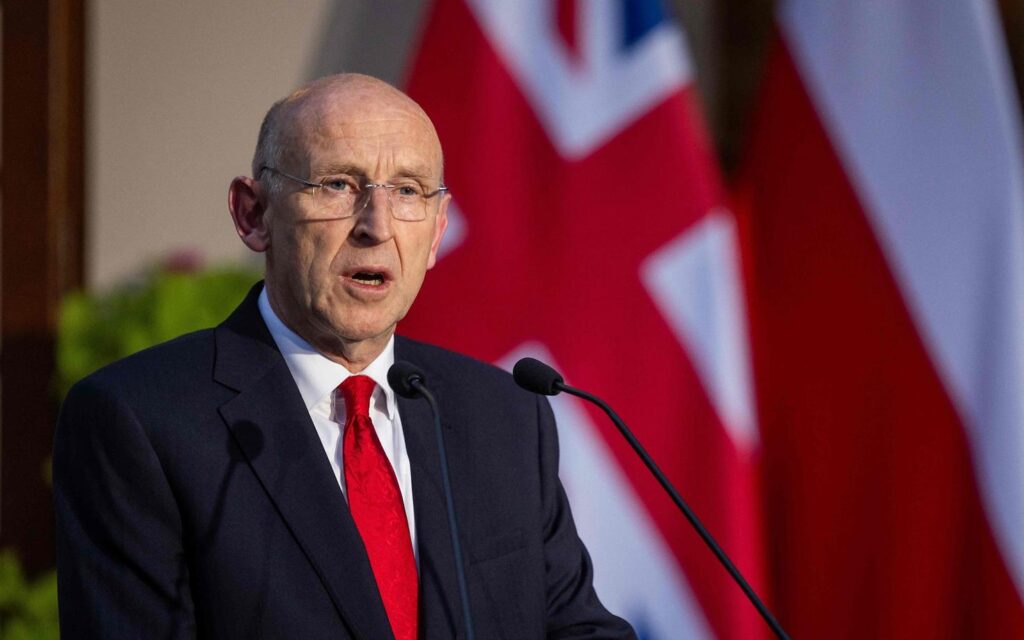
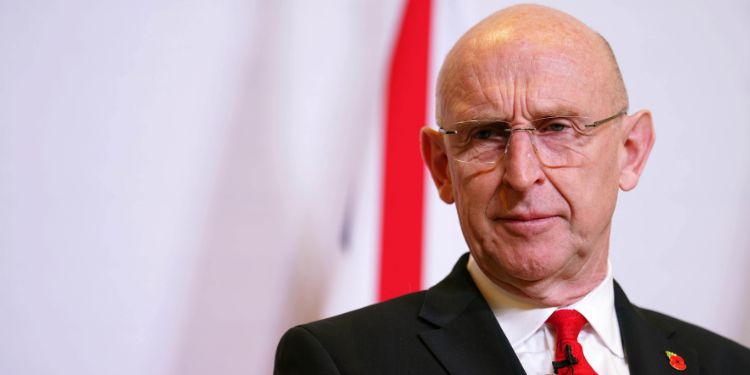
    UK Chancellor John Healey

    “We are cutting the deficit faster than any other G7 economy while giving people a bit of breathing space with cost-of-living pressures and focusing support to get young people into work.”

    John Healey

    However, the latest borrowing figures indicate that the government’s fiscal position remains under considerable strain, with expenditure continuing to rise faster than some key sources of revenue.

    Public borrowing during the first four months of the financial year reached £56.7 billion. Although that was £6 billion, or 9.6%, lower than during the corresponding period a year earlier, it was still higher than the OBR had anticipated.

    The improvement compared with the previous year was partly supported by a £2.7 billion downward revision to borrowing figures covering the preceding three months.

    Nevertheless, the overall level of borrowing remains a significant concern for policymakers as the government approaches its first major fiscal statement under the new leadership.

    Britain’s total public debt has now climbed to just below the £3 trillion mark, standing at £2.985 trillion. The figure represents 94.1% of the country’s gross domestic product, highlighting the limited room available to the government if it wants to increase spending without putting additional pressure on borrowing.

    The July figures also reveal the growing cost of servicing that debt.

    Government interest payments increased by £700 million compared with the same month last year, reaching £7.7 billion. The rise means a larger share of public resources is being directed towards servicing existing debt rather than funding public services or new investment.

    At the same time, spending on social benefits increased by £2 billion compared with a year earlier, adding to the pressure on the government’s finances.
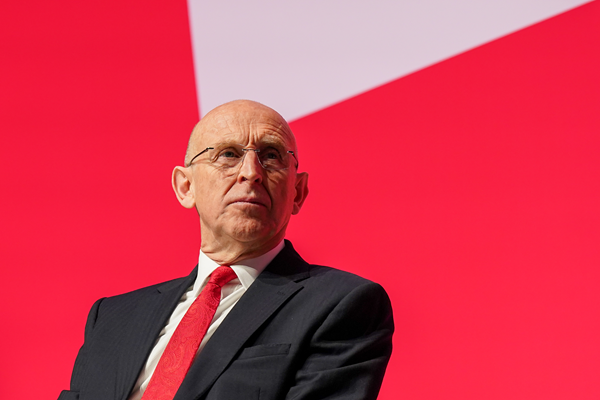
    UK Chancellor, John Healey

    The spending increases came despite stronger tax receipts. Income tax receipts reached £17.1 billion in July, representing a £1.7 billion increase compared with the same month last year.

    July is traditionally an important month for income tax collection because of the second self-assessment payment deadline at the end of January’s tax year cycle. The ONS, however, noted that some delayed self-assessment payments could be reflected in August’s figures rather than July’s data.

    Grant Fitzner, Chief Economist at the ONS, revealed that the latest figures showed that increased government expenditure had outweighed stronger revenues.

    “Borrowing was slightly higher this month than in July last year, with spending growth outpacing higher receipts, including from self-assessed taxes which often feed in more strongly in July.”

    Grant Fitzner

    The figures therefore present Healey with a difficult balancing act. While stronger tax receipts suggest that government revenues are benefiting from economic activity, the pace at which public spending and debt-servicing costs are increasing threatens to offset those gains.

    John Healey Under Pressure to Raise Revenue
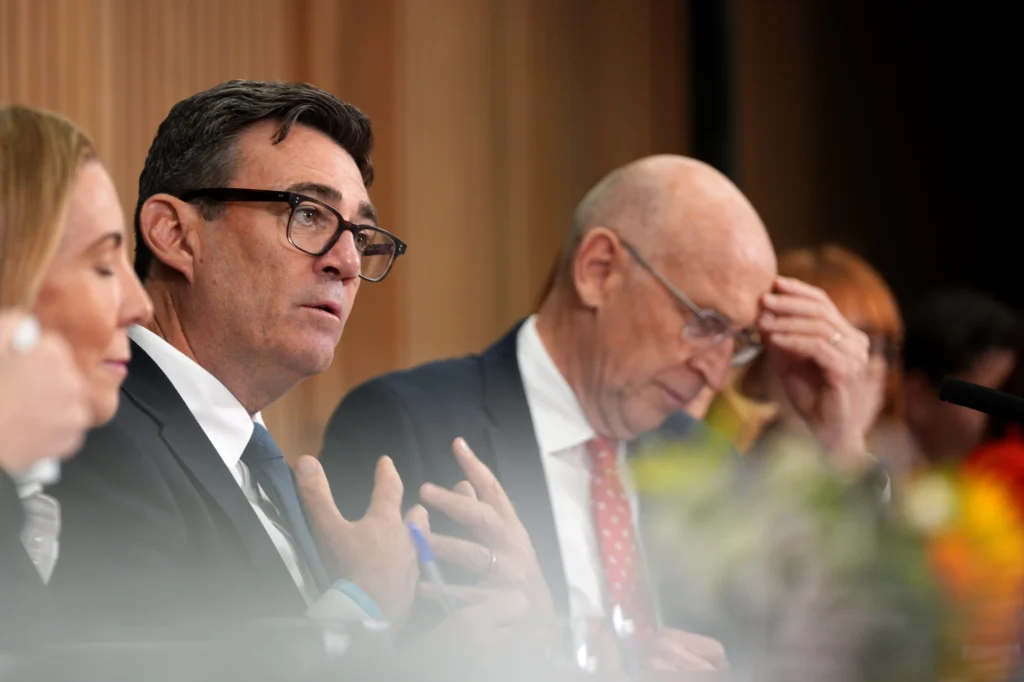
    UK Prime Minister Andy Burnham and Chancellor John Healey with Cabinet Ministers

    The borrowing figures arrive at a politically important moment for the Labour government, with Prime Minister Andy Burnham seeking to reshape the way economic policy is managed from the centre of government.

    Days before the latest figures were released, Andy Burnham noted that  a new Manchester-based satellite office of Downing Street would assume responsibility for driving economic growth, while the Treasury would concentrate more heavily on controlling the public finances.

    In an interview, Burnham argued that giving the Treasury responsibility for both promoting growth and maintaining control of the public finances had weakened its ability to achieve either objective effectively.

    The proposed change reflects Burnham’s broader effort to move economic policymaking beyond Westminster and give greater influence to regions outside London. But it also creates an important test for the government’s ability to coordinate its growth ambitions with Healey’s responsibility for maintaining fiscal stability.

    The latest borrowing figures suggest that the two objectives could prove increasingly difficult to reconcile.
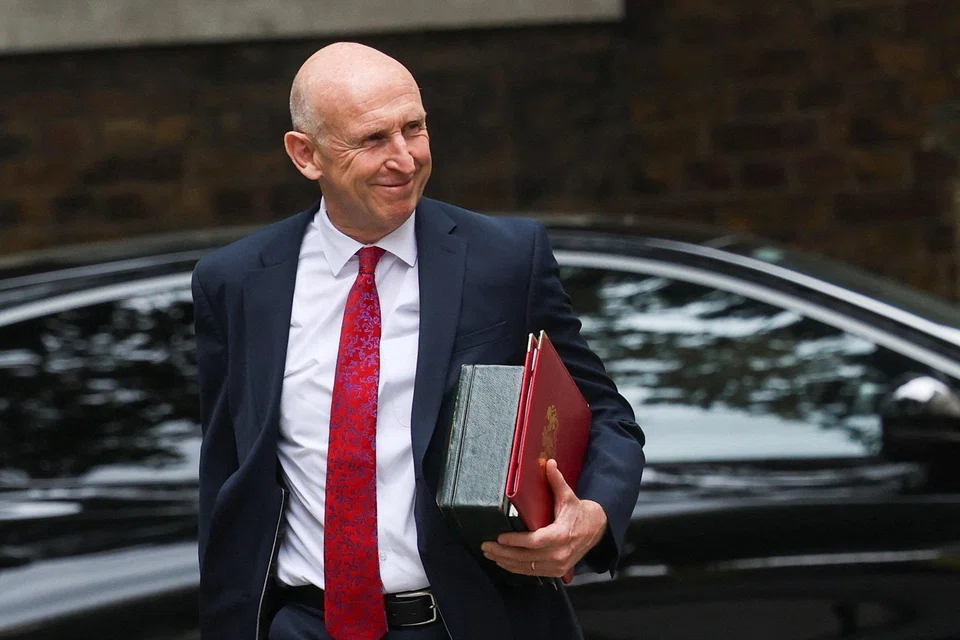
    UK Chancellor, John Healey

    Higher spending on benefits, alongside rising debt-interest costs, is limiting the government’s ability to redirect resources towards investment without either increasing revenue or borrowing further. Meanwhile, pressure to address the cost of living and improve public services could make significant spending reductions politically difficult.

    Thomas Pugh, chief economist at RSM UK, warned that the government’s financial position could require difficult decisions on taxation.

    He explained that taxes would need to rise if the government was to keep the nation’s finances on track, while rising yields on government bonds were also increasing the long-term cost of borrowing.

    The warning presents a potentially uncomfortable prospect for the Labour government ahead of the October Budget. Raising taxes could provide additional revenue and help protect the government’s fiscal targets, but it could also place further pressure on households and businesses at a time when ministers are attempting to support economic growth.

    Conversely, choosing not to raise taxes could leave the government with fewer options for financing its spending commitments while maintaining a sufficient buffer against unexpected economic shocks.

  • Kemi Badenoch Challenges Keir Starmer Over Defence Spending Plans

    Kemi Badenoch Challenges Keir Starmer Over Defence Spending Plans

    Conservative leader Kemi Badenoch has intensified pressure on Prime Minister  Keir Starmer after accusing his government of leaving behind a multi-billion-pound shortfall in funding for Britain’s ambitious defence spending programme, warning that the next administration could inherit a difficult fiscal challenge.

    The dispute centres on the government’s newly unveiled £15 billion Defence Investment Plan (DIP), which sets out a significant increase in military spending over the coming years as Britain seeks to strengthen its armed forces in response to evolving global security threats.

    According to Treasury figures accompanying the announcement, almost one-third of the planned increase has yet to be fully financed, leaving an estimated £4.7 billion funding gap that would need to be addressed in a future Budget.

    The disclosure has fuelled criticism from the Conservatives, who argue that the current administration is committing future governments to spending without clearly identifying how it will be paid for.

    The issue quickly became the focus of Prime Minister’s Questions, where Badenoch questioned whether the government’s defence ambitions were financially credible.

    She argued that the funding package failed to match the scale of the challenge facing Britain’s armed forces and suggested the next government would be forced to choose between raising taxes, increasing borrowing or cutting spending elsewhere to bridge the gap.

    Referring to the anticipated leadership transition, Badenoch asked whether Andy Burnham had already agreed to finance the outstanding shortfall, accusing Starmer of leaving “this mess to his successor” with a “limited plan.”

    The Prime Minister rejected the criticism, instead directing attention toward the previous Conservative government’s record on defence spending.

    Keir Starmer accused the Conservatives of weakening Britain’s military capabilities during their years in office, arguing that his administration was now reversing years of underinvestment.

    The subject at hand comes as Britain strives to modernise its armed forces in the face of rising geopolitical tensions, with a focus on missile defence, cyber capabilities, new weapon systems, and military industrial capability. The Defence Investment Plan aims to provide long-term predictability for defence procurement while also encouraging indigenous production and technological innovation.

    However, questions over how the programme will ultimately be financed have overshadowed many of its policy objectives.

    Government ministers have sought to reassure both Parliament and defence stakeholders that further financial decisions will be made through the normal Budget process and that leaving elements of long-term spending to future fiscal statements is not unusual.

    Nonetheless, opposition parties argue that announcing major expenditure without fully identifying funding sources risks creating uncertainty for both the Treasury and the armed forces.

    Government Defends Spending Plans as Opposition Pushes Back

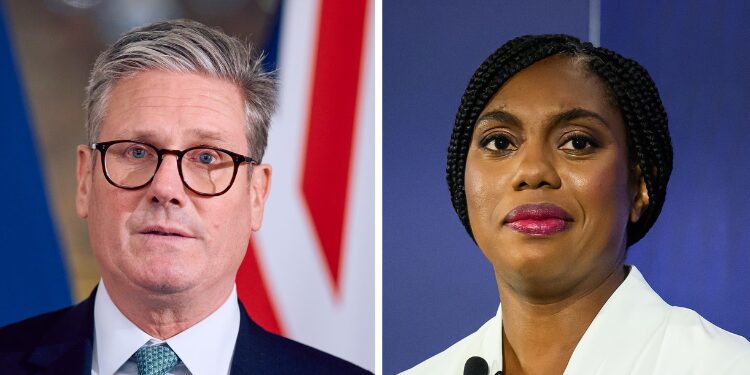
    Conservative Party leader Kemi Badenoch and Prime Minister Keir Starmer

    Despite concerns about the unresolved funding shortfall, government ministers stressed that the Defence Investment Plan is one of the largest commitments made to the British military in recent years.

    Luke Pollard suggested that the publication of detailed funding allocations coincided with the official release of the plan, explaining that even ministers had only received the full financial breakdown when it became public.

    Further, Pollard stated that Downing Street has been in close contact with Andy Burnham’s team and informed him of the figures when the Treasury released the statement and breakdown of financial costs yesterday.

    During Prime Minister’s Questions, Badenoch questioned whether the proposed increase would be sufficient to address Britain’s defence requirements.

    “The chief of the defence staff made it known that the armed forces needed a minimum of £28bn more to defend the country. Can the prime minister tell us why he thinks half that amount is enough?”

    Kemi Badenoch

    She continued,“we can count, the generals can count, the Kremlin can count. His plan doesn’t add up. How can the prime minister possibly stand there and say that this is enough?”

    Keir Starmer responded by defending both the scale of the investment and the backing it had received from senior military leaders.

    He stated that the programme would take Britain’s defence spending to £300 billion over the next four years and had received support from the Chief of the Defence Staff, the First Sea Lord and the Chief of the Air Staff.

    “All people who know what is in the plan, and welcome it. Contrast that with their record in government, because they hollowed out the armed forces.”

    Keir Starmer

    Meanwhile, Dan Jarvis, the Minister of Defence, has rejected claims that the funding shortfall was a political issue for the new government.

    He stated that he was “assured that, as Prime Minister, Andy Burnham will make sure that we’ve got the investment coming into defence” and expressed confidence that future leadership would continue to prioritise defence investment.

  • Treasury Eyes Inheritance Tax Overhaul To Boost Revenue

    Treasury Eyes Inheritance Tax Overhaul To Boost Revenue

    The Treasury is weighing significant reforms to inheritance tax (IHT) in a bid to plug a multibillion-pound hole in public finances ahead of the autumn budget, according to senior sources.

    Officials have reportedly been tasked with examining how tighter rules on the gifting of money and assets might raise additional funds, as the government grapples with a revenue-spending gap projected to exceed £40bn. No final decision has been made, but ministers have avoided ruling out tax rises later this year amid sluggish economic growth, stubbornly high inflation, and unemployment now at a four-year peak.

    Labour MPs have championed a wealth tax, but adjustments to IHT thresholds are also under active consideration. Chancellor Rachel Reeves and Prime Minister Keir Starmer have hinted in recent interviews that the fiscal strain is too severe to dismiss the possibility of higher taxes.

    The government’s election-time pledge not to increase taxes on “working people” leaves the chancellor with a narrow set of options. Rising debt interest payments, Donald Trump’s tariffs, and policy reversals on welfare have widened the deficit, prompting scrutiny of wealth-related taxes as a less politically damaging alternative.

    Treasury Eyes Inheritance Tax Overhaul To Boost Revenue
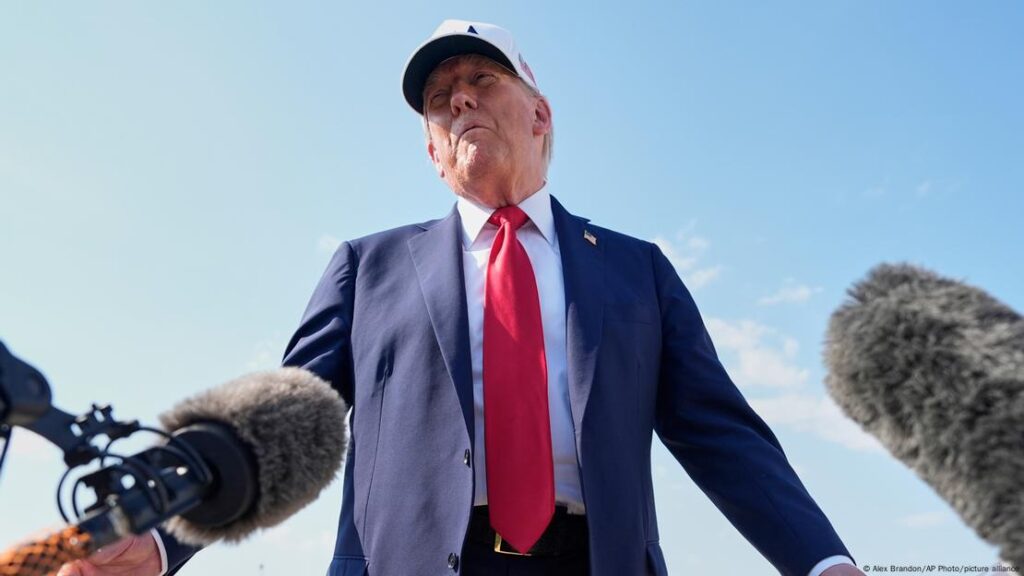
    President Donald Trump

    Plan To Limit Lifetime Gifting

    One proposal under review is a cap on lifetime gifting, the transfer of money or assets before death to reduce IHT liability. Currently, gifts made more than seven years before death are exempt from the tax. Those given within three to seven years are subject to a sliding “taper relief” rate that declines from 32% to 8%.

    Treasury officials are exploring whether to impose a lifetime limit on the value of assets that can be transferred tax-free, while also reassessing the taper rate itself.

    “With so much wealth stored in assets like houses that have shot up in value, we have to find ways to better tap into the inheritances of those who can afford to contribute more. It’s hard to make sure these taxes don’t end up with loopholes that undermine their purpose. But we are trying to work out what revenue might be raised and how to ensure it’s a fair approach.”

    A source

    Although fewer than one in twenty estates pay IHT, the issue remains politically charged. In the late 2000s, the Conservatives gained traction in opinion polls when David Cameron pledged to raise the threshold, branding it a “death tax” and putting pressure on then-Prime Minister Gordon Brown.

    Public Backlash Over IHT Reforms

    Chancellor Reeves has already faced protests over her decision in last year’s budget to cut tax breaks for farmers passing on their businesses. On Tuesday in Northern Ireland, she defended the move, arguing that farmers with estates over £3m “should make a contribution” and would still pay a lower rate than most.

    HMRC data shows just 4.6% of deaths in 2022-23 resulted in IHT being paid. The average effective rate was 13% once reliefs and exemptions were factored in — well below the 40% headline rate.

    The government is also targeting the enormous wealth expected to pass from baby boomers in the coming decades, boosted by rising property values and substantial pension pots. Last year, it moved to bring unused pensions into the scope of IHT, with most unspent funds and death benefits taxable from April 2027. But officials remain worried about the loophole that allows withdrawals to be gifted instead, enabling tax avoidance on large cash sums.

    As the autumn budget approaches, the debate over inheritance tax is set to intensify, with ministers balancing the political risks of reform against the urgent need to shore up the nation’s finances.