• About
  • Advertise
  • Privacy Policy
  • Contact
Wednesday, June 3, 2026
  • Login
The Vaultz News
  • Top Stories
  • News
    • General News
    • Education
    • Health
    • Opinions
  • Economics
    • Economy
    • Finance
      • Banking
      • Insurance
      • Pension
    • Securities/Markets
  • Business
    • Agribusiness
    • Vaultz Business
    • Extractives/Energy
    • Real Estate
  • World
    • Africa
    • America
    • Europe
    • UK
    • USA
    • Asia
    • Around the Globe
  • Innovation
    • Technology
    • Wheels
  • Entertainment
  • 20MOBPL2DNew
  • Jobs & Scholarships
    • Job Vacancies
    • Scholarships
No Result
View All Result
The Vaultz News
  • Top Stories
  • News
    • General News
    • Education
    • Health
    • Opinions
  • Economics
    • Economy
    • Finance
      • Banking
      • Insurance
      • Pension
    • Securities/Markets
  • Business
    • Agribusiness
    • Vaultz Business
    • Extractives/Energy
    • Real Estate
  • World
    • Africa
    • America
    • Europe
    • UK
    • USA
    • Asia
    • Around the Globe
  • Innovation
    • Technology
    • Wheels
  • Entertainment
  • 20MOBPL2DNew
  • Jobs & Scholarships
    • Job Vacancies
    • Scholarships
No Result
View All Result
The Vaultz News
No Result
View All Result
in Uncategorized

Debt-Service-To-Revenue Ratio to Increase to 27 Percent in Sub-Saharan Africa

Maynard Championby Maynard Champion
October 23, 2020
Reading Time: 3 mins read
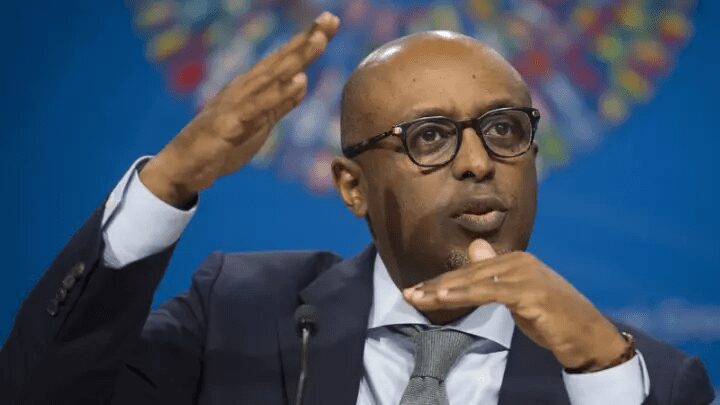
Abebe Aemro Selassie - Director of the African Department at the IMF

Abebe Aemro Selassie - Director of the African Department at the IMF

The International Monetary Fund (IMF) has projected debt-service-to-revenue ratio for Sub-Saharan Africa to rise to 27 percent in 2020 as against the projected 22 percent under pre-COVID-19 era.

This is according to the Region’s Economic Outlook report released on October 22, 2020.

The IMF attributed the recent upward revision to a combined effect of revenue shortfall and higher debt servicing.

According to the IMF, Sub-Saharan African countries’ capacity to support their debt burdens is increasingly strained. The Fund pointed out that due to weaker economic activity and governments’ support to the private sector in the COVID-19 context, government revenue in 2020 is expected to fall below pre-COVID-19 projections by about 2.3 percentage points of GDP.

ADVERTISEMENT

The increase in debt-service-to-revenue ratio is particularly significant for oil exporters.

 Based on the latest low-income country debt sustainability analyses prepared by IMF and World Bank staff, 11 sub-Saharan African countries are currently at high risk of debt distress, and six sub-Saharan African countries are in debt distress, while vulnerabilities have increased for countries with market access as investor appetite and issuance have not yet recovered for sub-Saharan African countries.

“Initiatives under way to address immediate liquidity needs may prove insufficient, and bolder actions are needed”.

The Group of Twenty (G20) Debt Service Suspension Initiative (DSSI) was adopted rapidly and has helped by deferring the immediate debt service payments of participating countries (without reducing the total net present value of the debt), and the recently agreed 6-month extension will provide further support.

The IMF further stated that concrete steps are needed to bring amounts effectively suspended closer to those that sub-Saharan African borrowers are eligible for under the initiative. For instance, delays in approving memorandums of understanding have led some countries to continue paying debt service to avoid arrears, reducing significantly the amount of actual debt service suspension for several countries.

The Fund explained further that longer grace or repayment periods would provide space to support post-COVID-19 recovery and help avoid bunching of DSSI repayments (for example, 2020 and 2021 relief). With the problem of unsustainable debt looming for several countries, the collaboration between Paris Club and non-Paris Club creditors initiated under the DSSI should be deepened and expanded as a platform to jointly resolve the debt problems of sub-Saharan African countries.

The COVID-19 pandemic is driving a resumption of rapid debt increases in sub-Saharan African countries. After the Heavily Indebted Poor Countries and Multilateral Debt Relief initiatives, public debt declined significantly in sub-Saharan African countries until the end of the 2000s.

Subsequently, as sub-Saharan African countries took advantage of the fiscal space generated by these initiatives (including to build human and physical capital), public debt rose from about 35 percent of GDP in the early 2010s to about 55 percent of GDP in the mid-2010s. It broadly stabilized thereafter and was expected to start declining in 2020 as several countries were embarking on fiscal consolidation.

“However, as the COVID-19 pandemic hit, sub-Saharan African countries needed to respond, relaxing their fiscal stance. As a result, sub-Saharan Africa’s public debt is currently projected to increase to 65 percent of GDP by the end of 2020. The largest increases are in oil-exporting countries”.

Sign Up to Our Newsletter

Fresh updates, Straight to your inbox

Share1Tweet1ShareSendSend
Please login to join discussion
Previous Post

Barclays plans cut as provisions for bad debts hit £4.3bn

Next Post

ABSA Bank Ghana Unveils New Banking Product for Women Entrepreneurs

Related Posts

Black Stars players pose for pre-match photo
Sports

Last-Gasp Wales Equalizer Denies Ghana First Win in Eight Months

June 2, 2026
Majority Leader and Member of Parliament for Bawku Central, Hon. Mahama Ayariga
General News

Anti-Gay Bill Passed Legally, Majority Leader Says Speaker Can’t Alter  It

June 2, 2026
Minister for Food and Agriculture Eric Opoku
Agribusiness

Ghana Targets Rice Self-Sufficiency With Import Quota Policy

June 2, 2026
Minister for Energy and Green Transition, Hon. John Abdulai Jinapor
Extractives/Energy

Emergency Sub Transmission Infrastructure Upgrades Set to Fix Kumasi Power Outages

June 2, 2026

Sign Up to Our Newsletter

Fresh updates, Straight to your inbox

Recent News

Black Stars players pose for pre-match photo

Last-Gasp Wales Equalizer Denies Ghana First Win in Eight Months

June 2, 2026
Majority Leader and Member of Parliament for Bawku Central, Hon. Mahama Ayariga

Anti-Gay Bill Passed Legally, Majority Leader Says Speaker Can’t Alter  It

June 2, 2026
Minister for Food and Agriculture Eric Opoku

Ghana Targets Rice Self-Sufficiency With Import Quota Policy

June 2, 2026
Minister for Energy and Green Transition, Hon. John Abdulai Jinapor

Emergency Sub Transmission Infrastructure Upgrades Set to Fix Kumasi Power Outages

June 2, 2026
Minister for Food and Agriculture Eric Opoku

Ghana Moves to Unlock Private Investment in Rice Production

June 2, 2026
Next Post
Elsie Addo Awadzi, Second Deputy Governor of Bank of Ghana

ABSA Bank Ghana Unveils New Banking Product for Women Entrepreneurs

The Vaultz News

Copyright © 2025 The Vaultz News. All rights reserved.

Navigate Site

  • About
  • Advertise
  • Privacy Policy
  • Contact

Follow Us

Welcome Back!

Login to your account below

Forgotten Password?

Retrieve your password

Please enter your username or email address to reset your password.

Log In
No Result
View All Result
  • Top Stories
  • News
    • General News
    • Education
    • Health
    • Opinions
  • Economics
    • Economy
    • Finance
      • Banking
      • Insurance
      • Pension
    • Securities/Markets
  • Business
    • Agribusiness
    • Vaultz Business
    • Extractives/Energy
    • Real Estate
  • World
    • Africa
    • America
    • Europe
    • UK
    • USA
    • Asia
    • Around the Globe
  • Innovation
    • Technology
    • Wheels
  • Entertainment
  • 20MOBPL2D
  • Jobs & Scholarships
    • Job Vacancies
    • Scholarships

Copyright © 2025 The Vaultz News. All rights reserved.

This website uses cookies. By continuing to use this website you are giving consent to cookies being used. Visit our Privacy and Cookie Policy.

Discover the Details behind the story

Get an in-depth analysis of the news from our top editors

Enter your email address