In the complex web of economic policies, few topics evoke as much passion and debate as the minimum wage. It’s a policy with profound implications, affecting millions of workers and countless businesses.
But how does it really work economically? It is time to dive into the heart of this contentious issue and dissect its economic intricacies.
Imagine a bustling city street, teeming with activity. On one side, a group of workers marches, placards in hand, demanding a higher minimum wage to keep up with the rising cost of living.
On the other side, business owners fret over the potential impacts on their bottom line, fearing layoffs or price hikes that could drive away customers.
This scene encapsulates the perpetual tug-of-war surrounding the minimum wage – a balancing act between the well-being of workers and the profitability of businesses.
Unveiling the Economics
At its core, the minimum wage is a government-mandated price floor on labor, setting the lowest hourly wage rate that employers can legally pay their workers.
Proponents argue that raising the minimum wage can lift low-income workers out of poverty, reduce income inequality, and stimulate economic growth by putting more money in the pockets of consumers.
On the flip side, opponents contend that increasing the minimum wage could lead to job losses, reduced working hours, and inflation as businesses adjust to higher labor costs.
One of the most hotly debated aspects of the minimum wage is its impact on employment. Basic economic theory suggests that an increase in the cost of labor will lead employers to hire fewer workers or cut back on hours to mitigate expenses.
Another concern surrounding minimum wage hikes is their potential to fuel inflationary pressures. When businesses face higher labor costs, they may offset these expenses by raising prices on goods and services.
This can erode the purchasing power of consumers, especially those on fixed incomes, and contribute to a general increase in the price level across the economy.
Continuing Debate on Minimum Wage
Amidst all these concerns, minimum wage seems to be the catalyst of economic prosperity for Britons.
According to a leading thinktank, the minimum wage has driven up the salary of millions of Britain’s lowest earners by £6,000 a year, making it the single most successful economic policy in a generation.
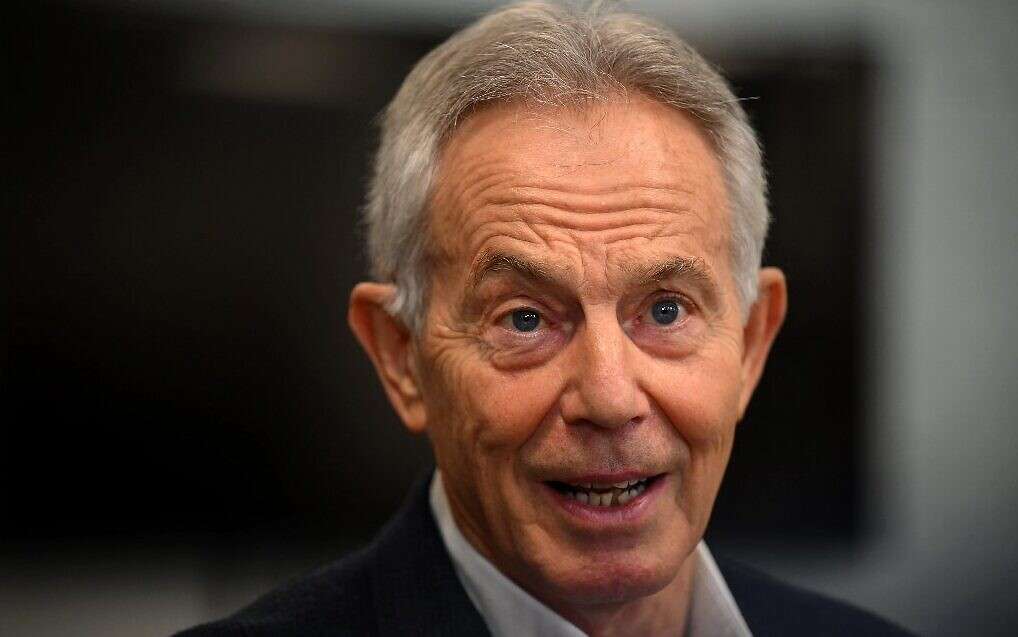
Since its inception in 1999 under Tony Blair’s inaugural Labour government, the minimum wage policy has garnered bipartisan support and should be viewed as a foundation for further enhancements in the welfare of low-wage workers, according to the Resolution Foundation.
Effective Monday, April 1, the minimum wage would be increased from £10.42 to £11.44. This marks the third-highest annual adjustment in its history, boasting a significant 9.8% increase in cash terms and a 7.8% surge above inflation.
A recent study highlighted that workers would have faced a staggering £6,000 annual income loss since 1999 if their wages had merely kept pace with average earnings, rather than the increments recommended by the independent Low Pay Commission.
Nye Cominetti, principal economist at the Resolution Foundation, stated that parliament should use a review of the commission’s remit “to discuss the future of the minimum wage and low pay more widely ahead of the election”.
She said, “Politicians should reflect on why the minimum wage has been so successful – such as the combination of long-term political direction and independent, expert-led oversight – and whether this approach could be broadened to tackle some of the UK’s other low pay challenges.”
The Resolution Foundation suggests that Members of Parliament should examine how the level of statutory sick pay has declined relative to average wages and could potentially be incorporated under the purview of the commission.
Debates surrounding the minimum wage have sparked varied opinions: some argue it’s set too high, while others contend it hasn’t increased swiftly enough to alleviate poverty in the UK.
Contrastingly, the Living Wage Foundation charity champions the real living wage, which establishes a minimum hourly wage of £12 nationwide and £13.15 in London. This wage is targeted at workers aged 18 and above, although it lacks legal enforcement, leaving businesses with the discretion to adhere to it.
According to the charity, over 460,000 employees across 14,000 firms currently benefit from the real living wage.
Despite ongoing discourse, a report by the International Monetary Fund examining the impact of minimum wages across developed and developing nations concludes that “research spanning several decades has not settled the debate.”
It said that some studies found a minimum wage had significant benefits for workers while “others conclude that it is harmful. “
READ ALSO: Dan Botwe Denies Running Mate Pressure on Bawumia