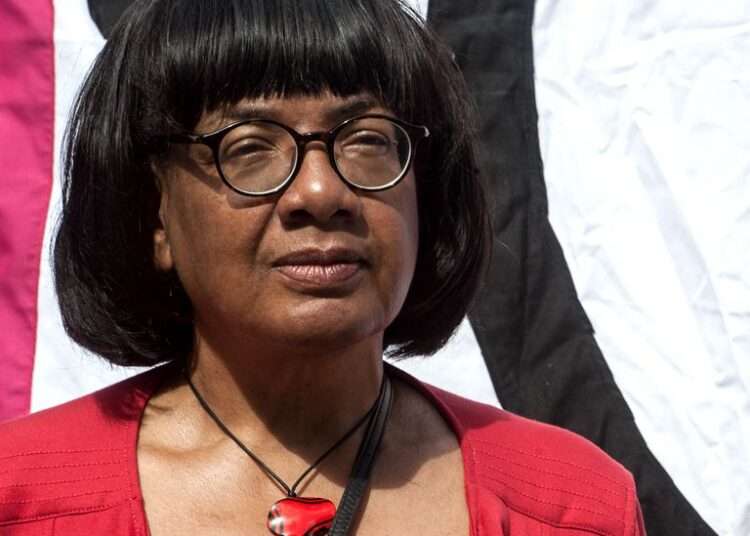
Diane Abbott has accused Peter Mandelson of deliberately withholding media support during her early political career, claiming that he and others at the top of the Labour Party tried to ensure Black candidates would fail.
These explosive allegations are detailed in her memoir, A Woman Like Me, where the longest-serving Black MP in British history opens up about her experience as a political outsider in the 1980s.
Abbott, elected alongside three other Black Labour MPs in 1987, recounts her first appearance on BBC Question Time in 1986 when she was still a Labour candidate.
According to the MP for Hackney North and Stoke Newington, she contacted Lord Mandelson, then Labour’s director of communications, for a media briefing four weeks ahead of the event. However, despite her repeated requests, she claims no help arrived.
“Weeks passed and no briefing came,” Abbott wrote. “With just a week to go, I was beginning to panic, so I rang him once more, but still Mandelson did not send a briefing.” As the day of filming drew closer, Abbott said she became more anxious, but her pleas for assistance were ignored.
“The day before filming, I called him again in a real panic … He obviously was not interested in helping me and did not care if I made a complete fool of myself.”
Diane Abbott
Abbott recalls showing up at the BBC Television Centre feeling unprepared and unsupported by her party. “I had been given no briefing, no coaching, and no support whatsoever from the Labour Party nationally,” she revealed. This lack of help, she claims, reflected a broader effort by senior Labour figures to make Black candidates look unqualified.
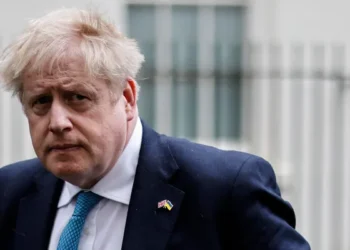
Lord Mandelson Denies Claims as ‘Absurd’
Lord Mandelson has denied the allegations, calling Abbott’s claims “insulting and absurd.” He said that any lack of support had more to do with her politics rather than her race.
“If Diane was not supported by the party press office, it would have been because of her politics — she was no more a political ally of Neil Kinnock than she is of Keir Starmer — not her ethnicity” -Lord Mandelson.

Mandelson added that to suggest otherwise was “absurd and insulting to Labour staffers at the time who fought for equality in all walks of life.”
Despite his rebuttal, Abbott’s memoir does not only take aim at Mandelson. She is also deeply critical of Lord Kinnock, Labour’s leader at the time, accusing him of viewing Black MPs as “an embarrassment.”
According to Abbott, Kinnock and other party officials made little effort to celebrate the historic election of the four Black Labour MPs in 1987.
“We were not allowed to bask in the glory of our achievement. The Labour leadership and officials did not see it as a triumph and noticeably did not celebrate it as such.”
Diane Abbott
Lord Kinnock also denied Abbott’s accusations, refuting her claim that he dismissed the concerns of Black MPs during his tenure.
Abbott’s book offers a critical look into the inner workings of Labour during a pivotal moment in British political history. The memoir also sheds light on the personal and professional challenges faced by Black politicians in an era when racial dynamics within the party were fraught with tension.
READ ALSO: GIADEC Confident in Increasing Bauxite Production