
Amidst Ghana’s energy sector financial turmoil, Dr. Elikplim Kwabla Apetorgbor, a power systems economist has called on the government to leverage the country’s abundant mineral resources to engage in debt-swaps.
The proposal aims to potentially ease the over US$2.3billion arrears owed to Independent Power Producers (IPPs) and reduce the government’s fiscal burden due to idle capacity payments.
“The mineral-backed debt-swap offers a sustainable solution to stabilise the energy sector and reduce the financial burden on government.
“By using future mineral revenues to settle debts, Ghana can improve liquidity without adding to public debt.”
Dr. Elikplim Kwabla Apetorgbor, Power Systems Economist
Ghana’s installed electricity capacity stands at approximately 5,400 megawatts (MW), far surpassing the nation’s peak demand of 3,000 MW. This excess capacity, mainly due to long-term Power Purchase Agreements (PPAs) with IPPs, requires Ghana to make idle capacity payments, placing a significant strain on its fiscal health.
Dr. Apetorgbor noted that these payments, coupled with foreign currency-denominated contracts, make the energy sector highly susceptible to exchange rate fluctuations, leading to increased financial instability.
The proposal by Dr. Apetorgbor is seen as a necessary intervention to stabilize the sector. By pledging future mineral revenues as collateral, the government can improve liquidity in the energy sector and relieve its immediate fiscal obligations.
This approach mirrors successful strategies adopted by other resource-rich countries, such as Angola, which utilized oil-backed loans, and Zambia, which explored mineral-backed loans to ease fiscal pressure.
Dr. Apetorgbor pointed that “with rising global demand for critical minerals like lithium, Ghana is well-positioned to harness its mineral wealth to stabilise both the energy and public finance sectors.”
Dr. Apetorgbor highlighted that linking these payments to mineral revenues could enhance Ghana’s ability to avoid exchange rate fluctuations, as mineral resources are typically traded in U.S. dollars.
“Mineral-backed financial instruments can also serve as a platform to attract international investment into both the energy and mining sectors,” according to Dr. Apetorgbor.
He further explained that international investors might be more inclined to offer concessional financing for infrastructure projects if their returns are secured by Ghana’s mineral wealth.
Furthermore, this approach could unlock additional investment opportunities for renewable energy projects, grid expansion, and enhanced transmission infrastructure—projects essential for Ghana’s long-term energy sustainability.
A Cautious Implementation: Necessary Safeguards
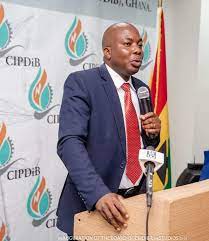
While the mineral-backed debt-swap holds promise, Dr. Apetorgbor warned that a carefully structured implementation is necessary. He stresses that transparency in the management of mineral and energy resources is essential to avoid potential pitfalls.
“Government must ensure that mineral revenues are well-accounted for, and that agreements with IPPs and creditors are transparent and mutually beneficial.”
Dr. Elikplim Kwabla Apetorgbor, Power Systems Economist
He also underscored the role of strengthened institutions like the Minerals Commission and the Ghana Infrastructure Investment Fund, which could effectively manage resources to support this innovative debt management approach.
Additionally, Dr. Apetorgbor pointed to the need for a robust legal and regulatory framework to govern mineral-backed transactions. This framework should guarantee that the arrangements do not heighten Ghana’s debt risks in the future.
“Proper valuation of mineral assets and careful negotiation with creditors will be critical to avoiding resource misallocation or loss of sovereign control over key assets,” he noted, adding that ensuring Ghana retains control over its resources is paramount.
To boost credibility and investor confidence, Dr. Apetorgbor recommended involving international financial institutions like the World Bank and the International Monetary Fund (IMF) for technical and advisory support.
These institutions, he suggested, could help structure mineral-backed financial instruments and align the debt-swap plan with Ghana’s broader fiscal reform agenda. Their endorsement may also lend credibility to the initiative, bolstering investor confidence.
Drawing from international precedents, Dr. Apetorgbor highlighted, “Nigeria, for example, successfully restructured its power sector debts through power bonds backed by future electricity tariffs, easing financial strain on the sector while maintaining investor confidence.”
Ghana, by applying its own mineral-backed approach, could likewise inspire other sub-Saharan countries facing debt challenges in the energy sector.
Dr. Apetorgbor envisioned that a successful mineral-backed debt-swap could set Ghana on a more sustainable energy and fiscal path. The immediate benefits include reduced fiscal strain on the government, a stable financial outlook for IPPs, and the establishment of a platform for long-term energy sustainability.
Such a strategy, he concluded, could provide an alternative means for Ghana to manage its energy sector’s heavy financial burden, while setting a positive precedent for integrating natural resource management with economic stability efforts.
READ ALSO: Congo’s President Pushes for New Constitution Amid Backlash