• About
  • Advertise
  • Privacy Policy
  • Contact
Friday, January 16, 2026
  • Login
The Vaultz News
  • Top Stories
  • News
    • General News
    • Education
    • Health
    • Opinions
  • Economics
    • Economy
    • Finance
      • Banking
      • Insurance
      • Pension
    • Securities/Markets
  • Business
    • Agribusiness
    • Vaultz Business
    • Extractives/Energy
    • Real Estate
  • World
    • Africa
    • America
    • Europe
    • UK
    • USA
    • Asia
    • Around the Globe
  • Innovation
    • Technology
    • Wheels
  • Entertainment
  • 20MOBPL2DNew
  • Jobs & Scholarships
    • Job Vacancies
    • Scholarships
No Result
View All Result
The Vaultz News
  • Top Stories
  • News
    • General News
    • Education
    • Health
    • Opinions
  • Economics
    • Economy
    • Finance
      • Banking
      • Insurance
      • Pension
    • Securities/Markets
  • Business
    • Agribusiness
    • Vaultz Business
    • Extractives/Energy
    • Real Estate
  • World
    • Africa
    • America
    • Europe
    • UK
    • USA
    • Asia
    • Around the Globe
  • Innovation
    • Technology
    • Wheels
  • Entertainment
  • 20MOBPL2DNew
  • Jobs & Scholarships
    • Job Vacancies
    • Scholarships
No Result
View All Result
The Vaultz News
No Result
View All Result

Bank of Ghana Reports Decline in Lending Rates, Impact on Borrowers and Banks

M.Cby M.C
December 5, 2024
Reading Time: 4 mins read
Bank of Ghana Reports Decline in Lending Rates, Impact on Borrowers and Banks

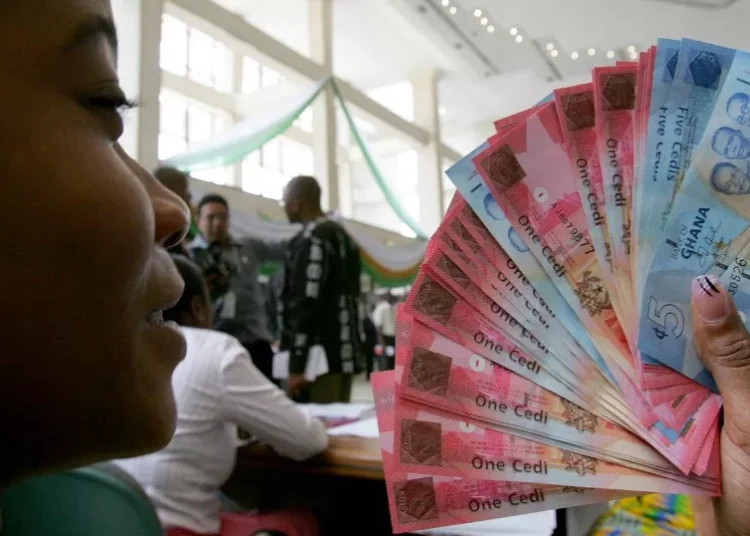
The Bank of Ghana has reported a continued decline in average lending rates, with the figure dropping to 30.45% in October 2024.

This marks a slight reduction from the 32.69% recorded in the same period in 2023 and reflects consistent, albeit marginal, adjustments throughout 2024. While this downward trend signals potential relief for borrowers, its broader implications for Ghana’s financial sector and economic landscape require closer examination.

The average lending rate began the year at 32.94% in January 2024. Since then, monthly data have shown a steady reduction. In February, it dropped to 32.77%, followed by 32.35% in March. April saw a more pronounced decline to 31.25%. By mid-year, rates stood at 31.10% in June and further eased to 30.71% in July.

RelatedPosts

Standard Chartered Tops Ghana’s Retail Banking CX Rankings for Second Straight Year

CIB Ghana Charts New Course for Banking Professionalism with Ethics 2.0 and Digital Academy

 IMF Gives Ghana a Surprise Thumbs-Up as 2025 Economic Performance Beats Forecasts

Interestingly, a slight uptick to 30.79% was observed in August before resuming the decline to 30.45% in October. The Ghana Reference Rate, which serves as a benchmark for lending rates, also decreased during this period, standing at 28.91% in October, down from 29.31% in August 2024.

This trend reflects the Central Bank’s commitment to maintaining a stable monetary policy environment amidst fluctuating inflation and external economic pressures.

Central Bank’s Policy and Inflationary Pressures

The Central Bank maintained its policy rate at 29% in November 2024. This decision came amid slightly elevated inflation levels driven by high and unstable food prices, the lingering effects of previous exchange rate pressures, volatile fuel prices, and utility tariff adjustments. By keeping the policy rate steady, the Bank of Ghana aims to balance the need for price stability with economic growth.

ADVERTISEMENT

Inflationary pressures remain a concern for both lenders and borrowers. High inflation can erode the real value of interest rates, potentially reducing their appeal to banks. Simultaneously, rising costs of goods and services strain borrowers’ ability to service loans, creating a delicate balance for policymakers.

Although the average lending rate provides a useful snapshot of borrowing costs, rates vary significantly across banks and sectors. Some banks offer loans at rates close to the Ghana Reference Rate, while others charge as high as 40%. These variations depend largely on the risk profile of borrowers and the specific industries being financed.

Banks assess risks differently based on customers’ creditworthiness, repayment history, and the perceived stability of the sectors they operate in. For instance, loans to businesses in high-risk sectors such as startups or agriculture may attract higher rates than those to established industries like telecommunications or manufacturing.

Implications for Borrowers

For businesses and individuals, declining lending rates can translate into reduced borrowing costs, potentially spurring investments and consumption. Small and Medium-sized Enterprises (SMEs), which often face challenges accessing affordable credit, could particularly benefit from these reductions. Lower interest rates mean they can borrow more affordably to expand operations, purchase equipment, or hire additional staff.

However, the persistence of high rates for some borrowers underscores the need for further reforms in Ghana’s financial sector. Policies aimed at reducing the cost of credit for high-risk borrowers, such as targeted lending programs or credit guarantees, could bridge the gap and foster more inclusive economic growth.

While lower lending rates benefit borrowers, they can pose challenges for banks. Interest income from loans is a major revenue source for financial institutions. As rates decline, banks may experience a squeeze on profit margins, especially if deposit rates or operating costs remain high.

To mitigate these effects, banks may focus on diversifying revenue streams, such as offering non-interest financial services, or improving operational efficiency through digital transformation.

The Broader Economic Context

The decline in lending rates also aligns with Ghana’s broader economic objectives. Affordable credit can stimulate economic activity, promote entrepreneurship, and create jobs. However, these gains must be weighed against the risks of excessive borrowing and potential defaults, particularly in a volatile macroeconomic environment.

Moreover, the interplay between lending rates and inflation is critical. Sustained reductions in borrowing costs may only yield the desired economic outcomes if inflation is kept under control.

As 2024 draws to a close, the continued reduction in average lending rates reflects cautious optimism within Ghana’s financial sector. For borrowers, it represents a potential lifeline amidst economic uncertainties. For banks, it signals a call to innovate and adapt to changing market dynamics.

Moving forward, the Bank of Ghana’s monetary policy decisions, coupled with efforts to stabilize inflation and enhance credit access, will be pivotal in shaping the financial landscape. Ensuring that the benefits of lower lending rates reach all sectors, particularly SMEs, will be key to fostering sustainable economic growth in Ghana.

The coming months will reveal whether these positive trends can be sustained and translated into tangible benefits for Ghanaian businesses and households. For now, the decline in lending rates serves as a promising step toward a more resilient and inclusive financial system.

READ ALSO: CBG Leads the Way in Trade Finance with Transformative China Mission for SMEs

Tags: Bank of GhanaBorrowersGhana Reference Rateinflationlending ratessmall and medium-sized enterprises (SMEs)
Share3Tweet2ShareSendSend
Please login to join discussion
Previous Post

Landlord Clarifies Claims of Shatta Wale Buying Apartment for Mother

Next Post

Global Businesses Urged To Prioritize Land Sustainability

Related Posts

Standard Chartered Tops Ghana’s Retail Banking CX Rankings for Second Straight Year
Banking

Standard Chartered Tops Ghana’s Retail Banking CX Rankings for Second Straight Year

January 16, 2026
CIB Ghana Charts New Course for Banking Professionalism with Ethics 2.0 and Digital Academy
Banking

CIB Ghana Charts New Course for Banking Professionalism with Ethics 2.0 and Digital Academy

January 16, 2026
IMF Gives Ghana a Surprise Thumbs-Up as 2025 Economic Performance Beats Forecasts
Economy

 IMF Gives Ghana a Surprise Thumbs-Up as 2025 Economic Performance Beats Forecasts

January 16, 2026
Mahama Assembles High-Powered Economic Brain Trust to Reset Ghana’s Economy
Economy

Mahama Assembles High-Powered Economic Brain Trust to Reset Ghana’s Economy

January 15, 2026
Fidelity Bank Recognises Unsung Heroes Behind Its Agency Banking Dominance, Unveils Future Growth Blueprint
Banking

Fidelity Bank Recognises Unsung Heroes Behind Its Agency Banking Dominance, Unveils Future Growth Blueprint

January 15, 2026
70910891
Banking

Stanbic Bank Ghana Reigns Supreme Again as KPMG Crowns It No.1 in Corporate Banking Customer Experience 2025

January 15, 2026
“2025 Was a Year of Painful Adjustments but Stability Is Back,” BoG Governor Declares
Economy

“2025 Was a Year of Painful Adjustments but Stability Is Back,” BoG Governor Declares

by M.CJanuary 16, 2026
Standard Chartered Tops Ghana’s Retail Banking CX Rankings for Second Straight Year
Banking

Standard Chartered Tops Ghana’s Retail Banking CX Rankings for Second Straight Year

by M.CJanuary 16, 2026
Ashanti Regional Minister, Dr Frank Amoakohene
General News

Ashanti Region Stalled Road Projects Resume as Government Releases New Funding

by Evans Junior OwuJanuary 16, 2026
Mr. Simon Madjie, CEO of GIPC, with Ms. Catarina Vieira, European Parliament Delegation Lead and Co.
Vaultz Business

GIPC Dismantles Barriers to Foreign Capital in High-Level EU Engagement

by Silas Kafui AssemJanuary 16, 2026
Trump Rebuffs Putin’s Offer To Aid Israel-Iran Conflict Mediation
USA

Trump Threatens Tariffs Over Greenland Control Push

by Comfort AmpomaaJanuary 16, 2026
Hon. Eric Opoku, Minister for Food and Agriculture, at the US-Ghana Investor Forum in Pennsylvania
Agribusiness

Agric Minister Courts U.S. Investors to Drive Ghana’s Agricultural Reset

by Silas Kafui AssemJanuary 16, 2026
“2025 Was a Year of Painful Adjustments but Stability Is Back,” BoG Governor Declares
Standard Chartered Tops Ghana’s Retail Banking CX Rankings for Second Straight Year
Ashanti Regional Minister, Dr Frank Amoakohene
Mr. Simon Madjie, CEO of GIPC, with Ms. Catarina Vieira, European Parliament Delegation Lead and Co.
Trump Rebuffs Putin’s Offer To Aid Israel-Iran Conflict Mediation
Hon. Eric Opoku, Minister for Food and Agriculture, at the US-Ghana Investor Forum in Pennsylvania

Recent News

“2025 Was a Year of Painful Adjustments but Stability Is Back,” BoG Governor Declares

“2025 Was a Year of Painful Adjustments but Stability Is Back,” BoG Governor Declares

January 16, 2026
Standard Chartered Tops Ghana’s Retail Banking CX Rankings for Second Straight Year

Standard Chartered Tops Ghana’s Retail Banking CX Rankings for Second Straight Year

January 16, 2026
Ashanti Regional Minister, Dr Frank Amoakohene

Ashanti Region Stalled Road Projects Resume as Government Releases New Funding

January 16, 2026
Mr. Simon Madjie, CEO of GIPC, with Ms. Catarina Vieira, European Parliament Delegation Lead and Co.

GIPC Dismantles Barriers to Foreign Capital in High-Level EU Engagement

January 16, 2026
Trump Rebuffs Putin’s Offer To Aid Israel-Iran Conflict Mediation

Trump Threatens Tariffs Over Greenland Control Push

January 16, 2026
The Vaultz News

Copyright © 2025 The Vaultz News. All rights reserved.

Navigate Site

  • About
  • Advertise
  • Privacy Policy
  • Contact

Follow Us

Welcome Back!

Login to your account below

Forgotten Password?

Retrieve your password

Please enter your username or email address to reset your password.

Log In
No Result
View All Result
  • Top Stories
  • News
    • General News
    • Education
    • Health
    • Opinions
  • Economics
    • Economy
    • Finance
      • Banking
      • Insurance
      • Pension
    • Securities/Markets
  • Business
    • Agribusiness
    • Vaultz Business
    • Extractives/Energy
    • Real Estate
  • World
    • Africa
    • America
    • Europe
    • UK
    • USA
    • Asia
    • Around the Globe
  • Innovation
    • Technology
    • Wheels
  • Entertainment
  • 20MOBPL2D
  • Jobs & Scholarships
    • Job Vacancies
    • Scholarships

Copyright © 2025 The Vaultz News. All rights reserved.

Discover the Details behind the story

Get an in-depth analysis of the news from our top editors

Enter your email address