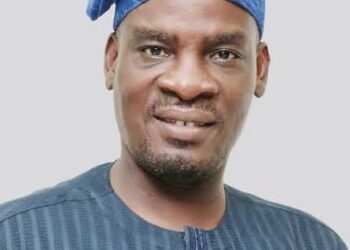
Legal expert and Democracy and Development Fellow at the Centre for Democratic Development (CDD-Ghana), Prof. Stephen Kwaku Asare, has weighed in on startling allegations of pay-for-access during the tenure of former President Nana Addo Dankwa Akufo-Addo.
Prof. Asare described the claim made by Fadi Samih Dabbousi as ‘explosive’ and raising a number of serious concerns that call for immediate institutional response.
Dabbousi, a known former sympathizer of the New Patriotic Party (NPP), alleged that “those who were collecting money from people to fix appointments to see the former President did us so much ill.”
According to Prof. Asare, the gravity of this claim cannot be underestimated, especially if it turns out to be true. He insisted that it prompts at least ten urgent questions—each demanding clarity, accountability, and potentially legal scrutiny.
“Who are the ‘those’ in question? Names matter. Vague references fuel speculation and shield wrongdoers. Were they aides, party officials, appointees, family members?
“How much money was collected? Was this a widespread operation or isolated incidents? Was it hundreds, thousands, or millions of cedis? What was the nature of the appointments?”
Prof. Stephen Kwaku Asare
He further questioned whether people were pursuing access to the former President in hopes of securing business opportunities, political leverage, lucrative government contracts, or appointments to influential positions within public office and state institutions.
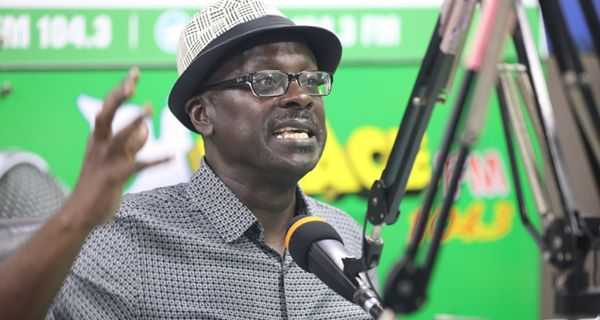
Prof. Asare raised a deeper issue concerning society at large, pointing out that individuals appeared to feel compelled to pay for such appointments.
He highlighted that they likely anticipated specific benefits from this access, and noted how presidential access had become highly valued and deeply embedded within the country’s political culture.
According to him, these questions go beyond partisan matters and strike at the very core of Ghana’s governance system, institutional integrity, and long-term public trust.
Expert Warns of Deepening Scandal Amid Allegations
According to Prof. Kwaku Asare, understanding the type of harm caused by the alleged behavior is equally important.
As such, he emphasized the need to examine whether the damage involved harm to the Presidency’s reputation, a breakdown in effective governance, internal sabotage within the party, or a broader sense of public disillusionment with national leadership.
Timing also remains a critical issue. Prof. Asare highlighted concerns about why these allegations are emerging only now instead of during the former President’s time in office, especially if they were already known.
He suggested this could reflect post-regime truth-telling or indicate that earlier opportunities to confront the issue were overlooked or deliberately avoided.
The legal expert didn’t shy away from addressing potential criminality. He highlighted that acts such as influence peddling, fraud, and extortion go beyond being merely unethical—they may, in fact, constitute violations of criminal law.
“Should EOCO be involved? Absolutely. If money changed hands under false pretenses or for illicit access, the EOCO should investigate.
“Did the former President know this was happening? Was the former President aware that people were monetizing access to him? If not, why was the gatekeeping structure so weak? If yes, what steps were taken, or not taken, to stop it? Where was the chief of staff?”
Prof. Stephen Kwaku Asare
Prof. Asare made it clear that these revelations are not just part of a political blame game or partisan intrigue.

The implications strike at the core of public service, governance ethics, and institutional integrity. “This is not just about internal party politics or post-regime memoirs.”
Prof. Asare emphasized that the matter extends far beyond political rivalries or internal party disputes.
At its core, he explained, it concerns the fundamental principles of public accountability, the trust citizens place in their leaders, and the overall integrity of the nation’s system of governance.
He stressed that when such issues are left unaddressed, they erode public confidence and weaken the democratic institutions meant to serve the people.
He ended with a stern call to action: If the claims are credible, silence would amount to complicity. “Let the facts come out, let the institutions work, and let there be consequences.”
As these explosive allegations gain public attention, many Ghanaians will be watching closely to see whether investigations will be launched and what they may reveal about the inner workings of power during the erstwhile Akufo-Addo administration.
READ ALSO: Camidoh Turns Loss Into Musical Tribute