

The Chief Executive Officer of the Driver and Vehicle Licensing Authority (DVLA), Julius Neequaye Kotey, has outlined a number of benefits the country stands to gain from the introduction of a new vehicle number plate system expected to take effect in 2026.
The new system, which incorporates Radio Frequency Identification (RFID) technology and other modern features, is designed to strengthen vehicle regulation, enhance law enforcement, and improve road safety.
According to Mr. Kotey, the reform marks one of the most significant steps in modernizing Ghana’s vehicle registration process. He explained that the new number plates would not only make roads safer but also address persistent challenges such as vehicle smuggling, tax evasion, and crime tracking.
One of the most important advantages, he said, is the system’s ability to prevent the registration of smuggled vehicles, popularly known as “Togo cars.”
“The new number plate system will help to stop the use of vehicles that have not paid the necessary import duties. Since the plates will be linked to a central database, it will be impossible to register a smuggled car without it being flagged”.
Chief Executive Officer of the Driver and Vehicle Licensing Authority (DVLA), Julius Neequaye Kotey
In addition, the integration of RFID chips into the plates will transform vehicle tracking and monitoring. The embedded technology will allow law enforcement officers and other regulatory authorities to instantly scan vehicles and access their details in real time.
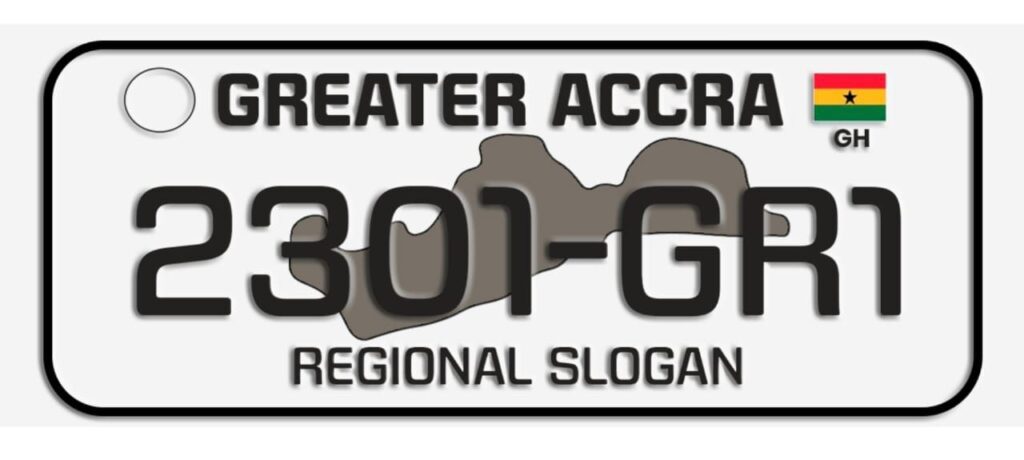
This, he noted, would significantly improve the ability of security agencies to track cars involved in crimes or offences. The reform, therefore, strengthens accountability and provides a technological edge in addressing security challenges on the roads.
Efficiency in Toll Collection
Beyond enforcement, the new system is also expected to improve efficiency in toll collection. With the RFID-enabled plates, vehicles will be able to communicate directly with toll systems.
This allows for automated and contactless payments, eliminating the delays associated with manual toll collection. “This will significantly reduce traffic congestion at toll booths,” Mr. Kotey explained, adding that it will also promote convenience for motorists.
Another practical feature of the new plates is the change in identification format. Instead of the current year-based registration code, the plates will display a regional name and area code, enabling both the public and authorities to determine the origin of a vehicle at a glance.

According to the DVLA boss, this feature is aimed at making identification simpler, more transparent, and user-friendly. The plates also come with improvements in design and durability.
Reflective surfaces will enhance visibility at night and in adverse weather conditions, reducing risks of accidents and strengthening safety on the roads. Mr. Kotey emphasized that this feature aligns with the Authority’s wider goal of promoting safer transport systems for all road users.
Integration of Digital Records with the Central Database
Another key innovation is the integration of digital records with the central database. By connecting vehicle number plates directly to the DVLA system, the new regime will modernize registration processes and minimize human error.
It also offers greater protection against fraud, since every transaction will be validated against the central database. “By linking the plates to a central database, the entire vehicle registration and licensing process becomes more modern and efficient, cutting down on human error and fraudulent activities,” he noted.
The broader aim, he explained, is to create a transparent, efficient, and secure vehicle management system that benefits not only vehicle owners but the general public.
He stressed that the reforms were not only about aesthetics but about building a robust regulatory framework that could support the country’s transportation system for years to come.
Mr. Kotey disclosed that the new plates, scheduled to be rolled out in 2026, are still undergoing design reviews and may be subject to further modifications before their official launch.
He assured stakeholders and the public that the DVLA is committed to ensuring that the system meets both national needs and international best practices.

The move comes as part of ongoing efforts by the DVLA to leverage technology in strengthening compliance and promoting safer, more accountable transportation. By combining digital integration, enhanced visibility, and RFID technology, the Authority hopes to deliver a number plate system that is not only modern but also resistant to the challenges that have plagued vehicle registration in Ghana for decades.
With the planned introduction, Ghana joins a growing list of countries deploying technology-driven vehicle registration systems to combat crime, improve road safety, and streamline transportation services. The DVLA boss believes the reform is a major stride in aligning Ghana’s vehicle licensing system with global best practices.
READ ALSO: Lands Ministry Tackles Illegal Mining with Holistic Solutions