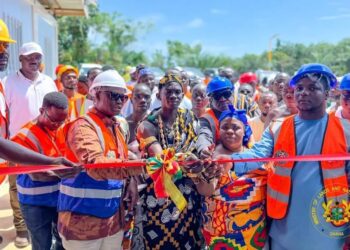

The Government of Cameroon has officially awarded the contract for the construction of the Limbe combined-cycle gas-fired power plant to Sunon Asogli Power Ltd. and China Energy Engineering Corporation Ltd., marking the conclusion of a decade-long effort to secure credible partners for the landmark energy project.
Adding to the multinational character of the deal is Ghanaian lawyer and consultant, Penelope Mawulolo Jones-Mensah, who served as lead consultant for the partnership. She welcomed the government’s decision and described the project as a landmark achievement in regional cooperation.
“I would like to express my profound appreciation to the government of Cameroon for its confidence in this joint venture.”
Ghanaian lawyer Penelope Mawulolo Jones-Mensah, lead consultant for the venture
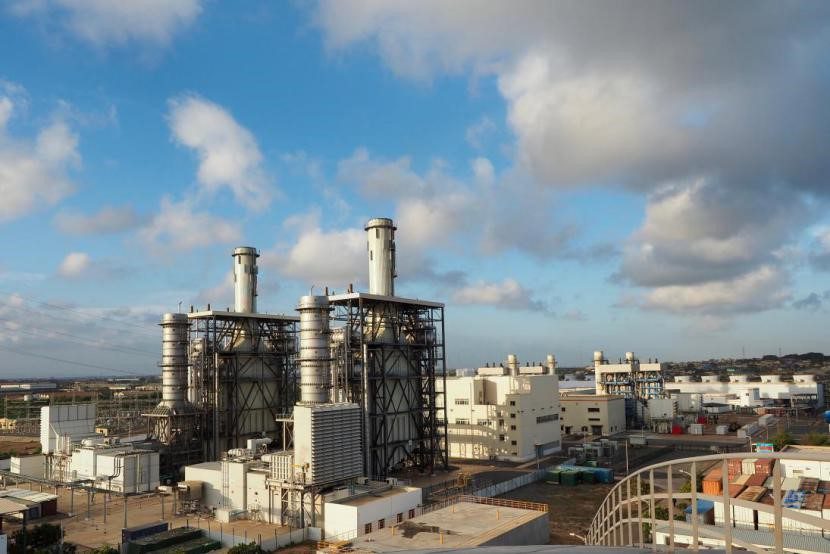
The announcement outlines a CFA176 billion (US$312 million) investment structured under a public-private partnership (PPP) model.
Under the financing arrangement, the government of Cameroon will contribute CFA26 billion, representing 15 percent of the cost, while the majority share of 85 percent will be funded by Sunon Asogli Power and China Energy.
Construction is expected to commence later this year, with completion targeted for 2029, adding 350 megawatts (MW) of generation capacity to Cameroon’s national grid.
“I commend Sunon Asogli Power for expanding its footprint into Cameroon, and I am honoured to contribute to a project that fosters meaningful cross-border collaboration and long-term impact for Africa’s energy sector.”
Ghanaian lawyer Penelope Mawulolo Jones-Mensah, lead consultant for the venture
Decade-Long Wait Ends
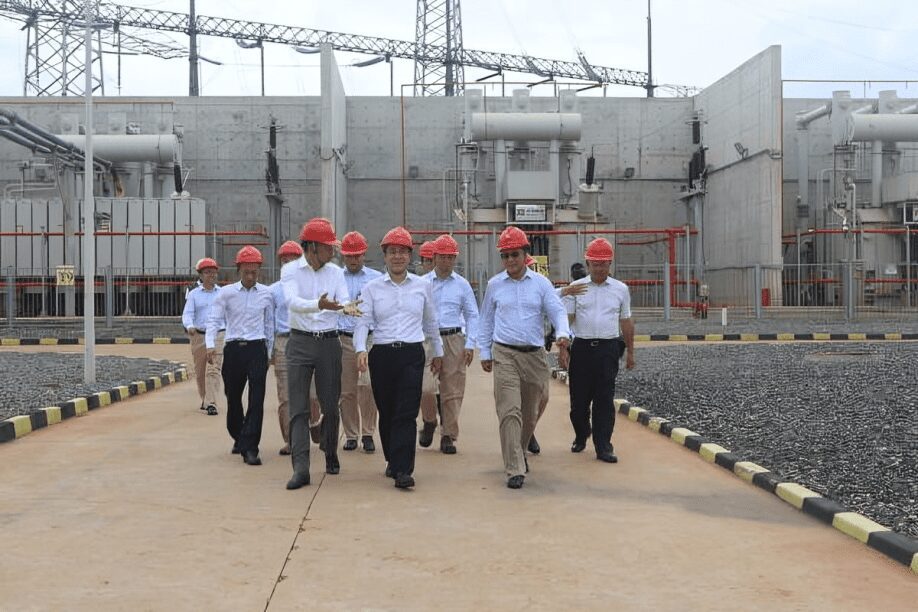
The award brings an end to years of uncertainty surrounding the Limbe project, which had seen previous negotiations with international firms, including Eranove, stall without result.
For the government, securing a credible partnership underscores a renewed commitment to tackling the country’s chronic energy shortages.
Currently, Cameroon generates about 2,000 MW of electricity nationwide far short of the demand needed to support its rapidly expanding industrial base and electrify underserved rural areas.
The government’s Vision 2030 plan sets an ambitious target of 5,000 MW installed capacity, and the Limbe project is expected to make a significant contribution toward achieving this goal.
Traditionally, Cameroon has relied heavily on hydropower, which accounts for the bulk of its electricity generation. However, the growing impacts of climate change, including variable rainfall and prolonged droughts, have exposed vulnerabilities in the country’s dependence on water resources.
The new Limbe gas-fired plant is designed to provide a more stable and resilient energy source by utilizing Cameroon’s natural gas reserves.
This approach aligns with government efforts to diversify the energy mix, enhance reliability, and ensure that power supply keeps pace with economic development.
Energy experts say the project will particularly benefit southwest, coastal, and western regions, areas that have experienced frequent outages and supply constraints.
Strategic Partnerships with African and Global Players

The partnership between Sunon Asogli Power, a leading independent power producer in Ghana, and China Energy, one of the world’s largest engineering and construction firms, underscores the strategic role of African and Chinese enterprises in shaping Africa’s evolving energy landscape.
For Sunon Asogli Power, the project represents an important milestone as the company expands beyond Ghana’s borders. The firm already operates one of Ghana’s most successful independent power plants in Tema and has been exploring opportunities across West and Central Africa.
China Energy, with its vast experience in large-scale infrastructure projects, will bring technical expertise and project execution capacity to ensure the timely delivery of the Limbe plant.
“This is a significant step toward regional integration and shared prosperity—an outcome that is deeply personal to me and vital for the future development of both nations.”
Ghanaian lawyer Penelope Mawulolo Jones-Mensah, lead consultant for the venture
Her remarks highlight the project’s broader symbolism, not only as an energy infrastructure investment but also as a catalyst for regional integration across Africa.
Upon completion, the Limbe Power Plant is expected to transform energy availability in Cameroon, boosting industrial competitiveness, attracting foreign investment, and improving the quality of life for millions of households.
Officials note that the project will also serve as a foundation for future gas infrastructure development in the country, enabling Cameroon to leverage its natural resources more effectively in powering growth and development.
With work set to kick off in the coming months, the Limbe project has firmly positioned itself as one of the most significant infrastructure developments in Cameroon’s recent history.
READ ALSO: A Smart Move to Save the Cedi – Women in Forex Ghana Prez Hails BoG Directive