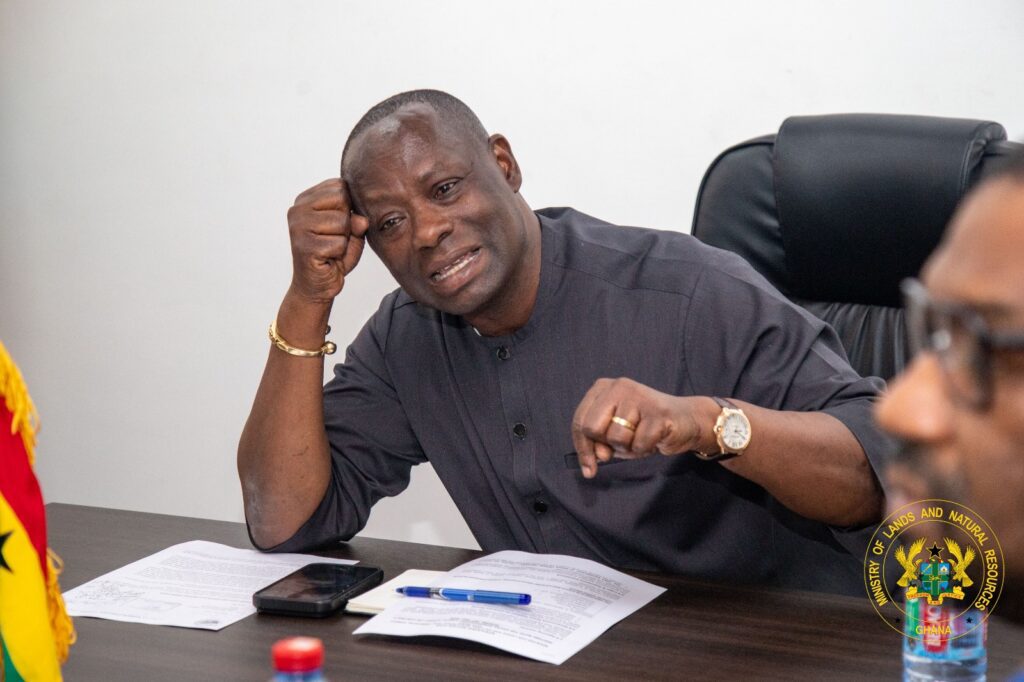
The Minister of Lands and Natural Resources, Hon. Emmanuel Armah-Kofi Buah, has announced that the government is actively executing formal processes to select qualified investors to develop the strategic Sheini Iron Ore Deposit.
Located in the Tatale-Sanguli District of the Northern Region, the Sheini deposit stands as Ghana’s premier iron ore reserve and ranks among the most significant mineral assets across West Africa.
According to the Minister, attracting reputable international and domestic partners is essential to unlocking the massive subterranean potential of this asset and establishing a robust industrial foundation for the country.
“The Sheini Iron Ore Deposit is widely recognised as the largest known iron ore deposit in Ghana, one of the most significant iron ore resources in West Africa. Historical exploration and subsequent technical studies have confirmed substantial magnetic resources, positioning the deposit as a strategic asset for the development of an integrated iron and steel industry in Ghana. The government is going through processes to identify prospective investors to develop the mine.”
Minister of Lands and Natural Resources, Hon. Emmanuel Armah-Kofi Buah
Technical evaluations and historic geological surveys have established the existence of vast, high-grade magnetic iron resources capable of anchoring large-scale commercial extraction.
The Ministry’s decision to seek private sector participation is tied directly to the nation’s broader industrialization agenda, which seeks to transition Ghana from a traditional exporter of raw minerals into a high-value industrial processing hub.
By deploying modern extraction and processing technologies, the government aims to build a sustainable supply chain that feeds directly into national and regional steel manufacturing operations.
Catalyst for Industrial Transformation and Steel Manufacturing
The commercialization of the Sheini deposit is poised to serve as the bedrock for Ghana’s long-envisioned integrated iron and steel industry.
Currently, Ghana relies heavily on imported steel products to meet its rapidly growing construction, real estate, and civil engineering needs.
Developing domestic iron ore reserves will substantially lower the national import bill, preserve foreign exchange reserves, and shield the local economy from global supply chain shocks.
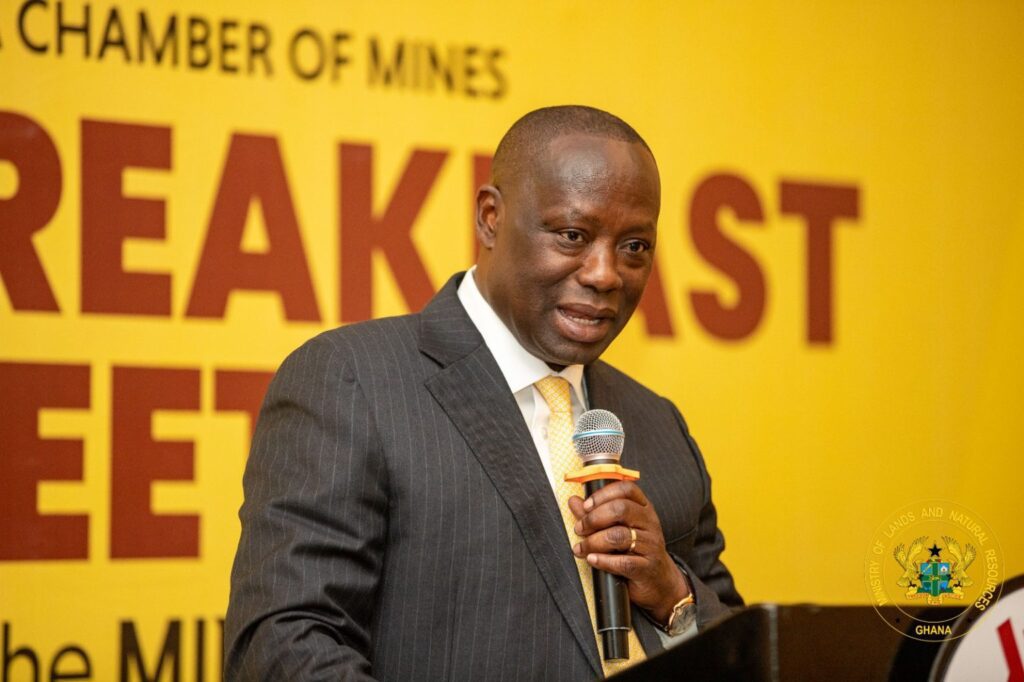
Hon. Armah-Kofi Buah emphasized that “the development of the Sheini Iron Ore Deposit remains a key national priority,” serving as an indispensable pillar for upstream heavy industry and downstream manufacturing.
Domestic steel production will also create crucial synergies with local automobile assembly plants, shipbuilding projects, and agricultural machinery production.
Infrastructure Expansion, Job Creation, and Regional Growth
Beyond raw resource extraction, the Sheini project represents a major engine for socioeconomic growth, particularly across the Northern Region and surrounding districts.
Establishing a world-class mine requires extensive investment in secondary infrastructure, including high-capacity rail lines, feeder roads, power distribution networks, and water systems.
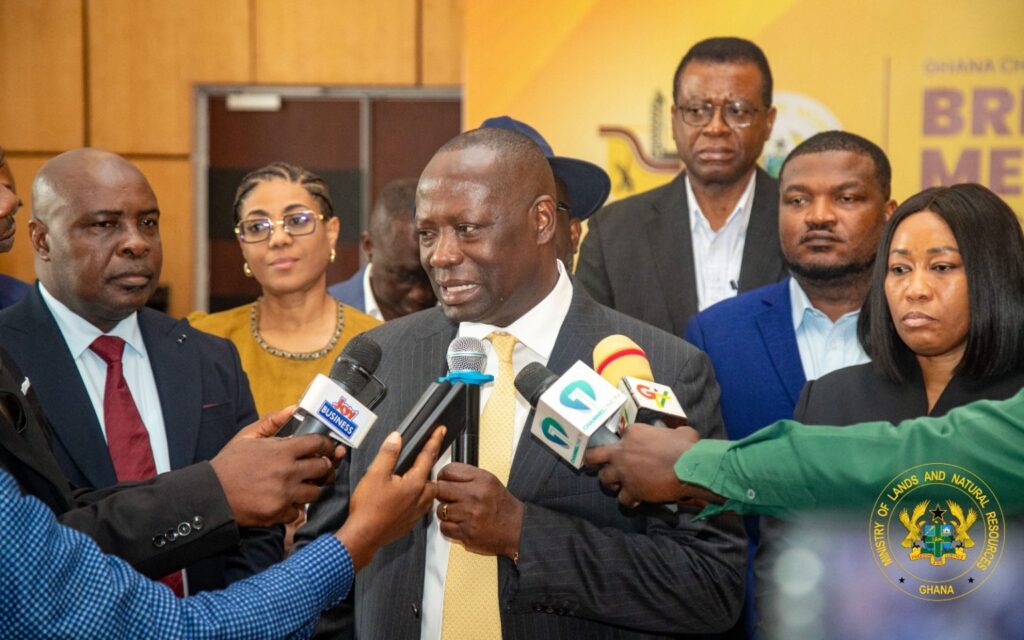
Hon. Armah-Kofi Buah noted that the project is expected to play a “pivotal role in supporting Ghana’s iron and steel industry, creating employment opportunities, stimulating infrastructure development, and contributing to economic growth.”
The operational phase will generate thousands of direct technical jobs in mining, metallurgy, and engineering, alongside tens of thousands of indirect opportunities in logistics, commerce, and maintenance services.
Energy Integration and Sustainable Industrial Power
A full-scale iron ore mining and processing complex will serve as a major anchor tenant for Ghana’s power sector. Smelting and refining operations demand steady, high-voltage electricity, which will stimulate long-term power purchase agreements and incentivize investments in gas-to-power and renewable energy infrastructure.
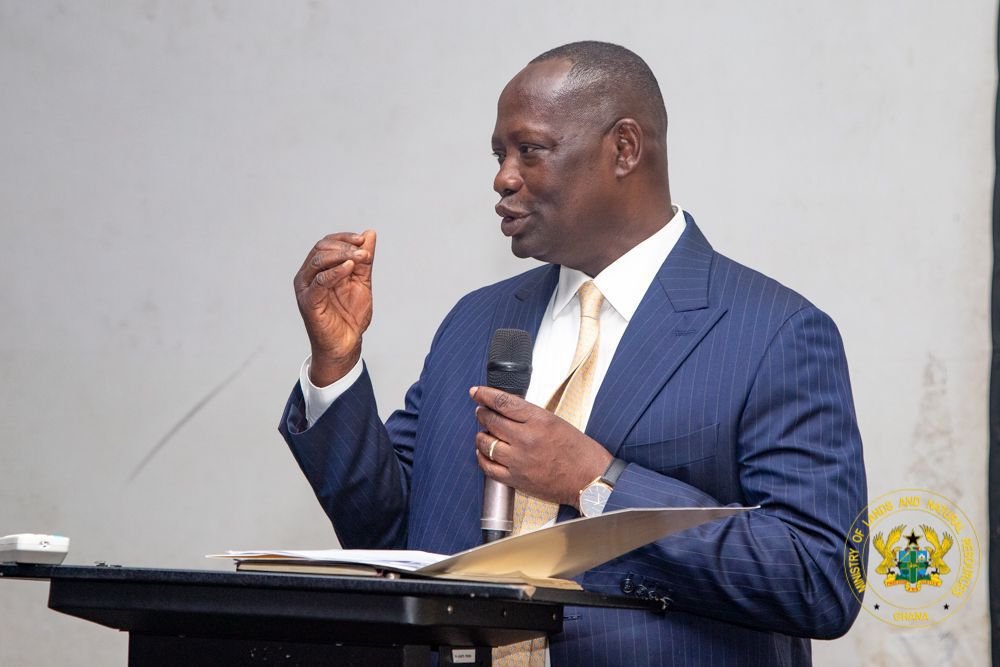
Integrating Sheini’s industrial power requirements into the national grid will enhance energy security and drive rural electrification across northern corridors.
Furthermore, as the African Continental Free Trade Area (AfCFTA) gains momentum, domestic steel production positions Ghana as a primary industrial supplier across the ECOWAS sub-region.
READ ALSO: Wontumi’s Political Insurance Expired On December 7, 2024 — Former Lands Minister