The government is set to launch the much-anticipated ‘Nkukor Nkitinkiti’ programme by the first week of October, reaffirming its commitment to supporting households through poultry farming as a tool for poverty alleviation.
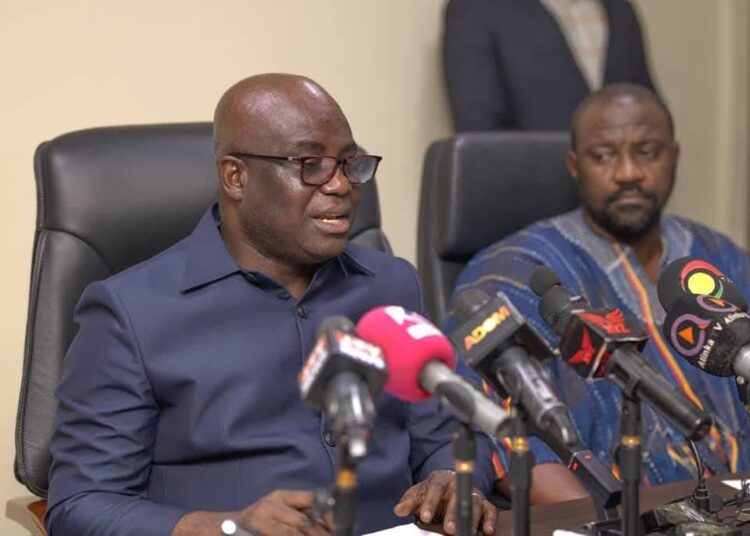
The assurance was given by the Minister for Food and Agriculture, Hon. Eric Opoku, during the ECOWAS Regional Trade in Livestock forum. The initiative, first proposed by President John Dramani Mahama ahead of the 2024 elections, is expected to provide day-old chicks, feed, and veterinary support to households nationwide.
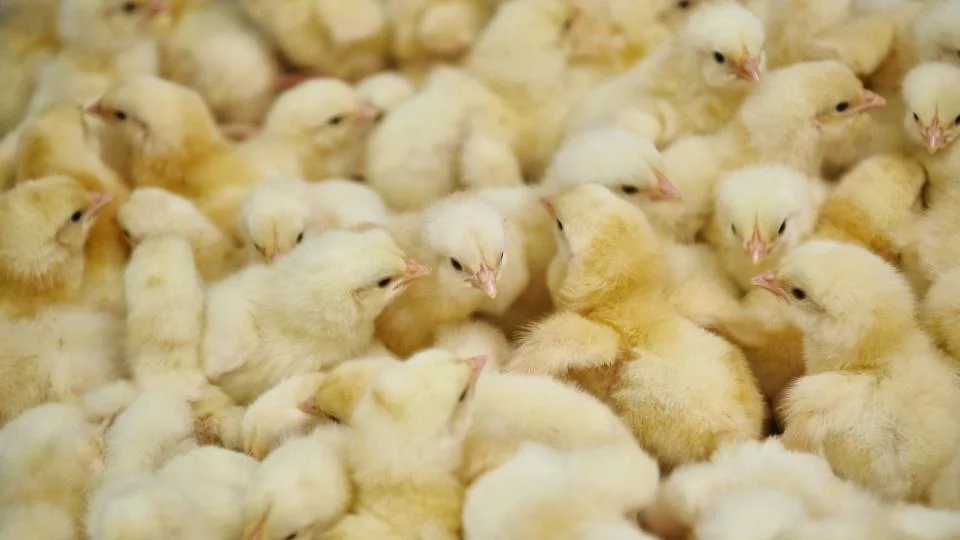
Designed to encourage poultry farming, it will require beneficiaries to first construct mini hencoops before receiving the chicks. The goal, according to the Minister, is to create sustainable income-generating opportunities for families while also strengthening food security.
Hon. Opoku told journalists that the government is finalising procurement arrangements with contractors for the supply and distribution of the chicks. He stressed that all steps were being taken to ensure the rollout meets expectations.
“We are hoping to see the programme launched by the end of this month or in the first week of October. His Excellency, the President, will officially launch it and distribution will begin in the various constituencies for the beneficiary farmers”
Hon. Eric Opoku, Minister for Food and Agriculture
He explained that the Ministry was currently completing the process of compiling final lists of beneficiaries and emphasised that only contractors able to meet quality standards will be engaged to ensure the success of the scheme.
The ‘Nkukor Nkitinkiti’ programme was conceived as part of the government’s broader efforts to create jobs and provide financial relief to vulnerable households. Each beneficiary will receive chicks, feed, and access to veterinary services, while the construction of small hencoops is intended to promote proper animal husbandry and reduce losses.
The Ministry of Food and Agriculture has described the programme as a pathway to both social and economic empowerment. The expectation is that poultry rearing will give households a reliable source of protein for consumption while offering surplus production for sale on the local market.
This dual approach is designed to ease household expenditure while enhancing overall food security.
Public Criticism and Assurances
Since its announcement, the programme has not been without criticism. Some Ghanaians have questioned the government’s ability to deliver on the initiative, pointing to past delays and unmet promises.

Skepticism has been particularly strong among those who believe the project may suffer from challenges in funding and distribution. In response, the Minister insisted that the initiative is firmly on track. By tying the launch to a concrete date in October, officials are seeking to demonstrate seriousness and to rebuild public confidence.
The emphasis on securing reliable contractors, officials argue, is aimed at “avoiding problems of poor delivery or inadequate supplies that have plagued past interventions.”
In addition, the provision of feed and veterinary support is expected to raise survival rates for chicks, ensuring that beneficiaries derive real value from the initiative. The Ministry of Food and Agriculture has positioned the programme as part of its broader vision for agricultural transformation.
By starting with poultry at the household level, the government believes it can gradually build momentum for wider “agricultural reforms,” ultimately reducing Ghana’s reliance on imported food products.

With the procurement process nearing completion and beneficiary lists almost ready, the government is preparing to launch the project nationwide. The official ceremony, to be presided over by President John Dramani Mahama, will mark the beginning of what the Ministry hopes will become a landmark social intervention.
The initiative comes at a time when the government faces pressure to strengthen livelihoods and restore confidence in its poverty alleviation policies. For many Ghanaians, the success of ‘Nkukor Nkitinkiti’ will serve as a test of how well state-led programmes can respond to the everyday needs of citizens.
READ MORE: Kanayo O. Kanayo Criticises Nollywood for Promoting Looks Over Acting Skills