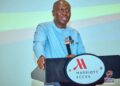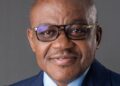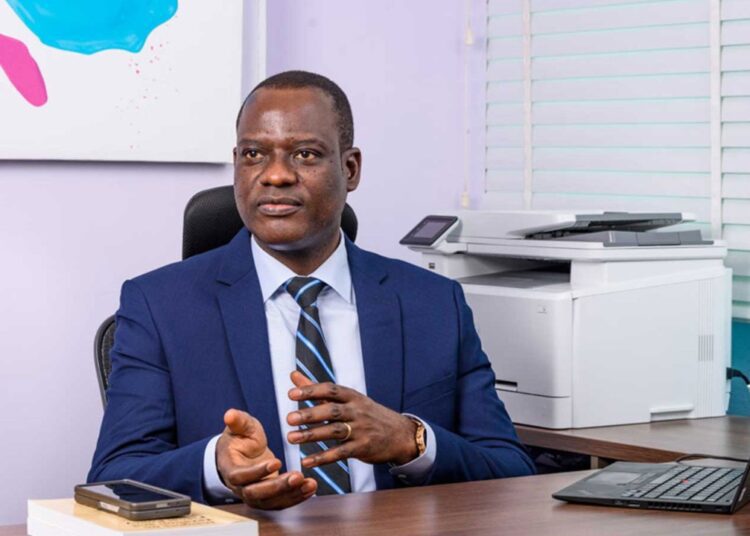
The Chairman of the Presidential Committee on Fiscal Policy and Tax Reforms, Taiwo Oyedele, has clarified that the proposed fuel surcharge is designed to create a dedicated fund for fixing Nigeria’s dilapidated road network, not to worsen the financial pressure on citizens.
Speaking on public concerns that new tax measures may fuel inflation, Oyedele admitted the risks but stressed that better road infrastructure remains crucial to reducing the overall cost of transporting goods and people across the country.
The proposed 5% fuel surcharge, introduced under the Nigeria Tax Act 2025, is expected to take effect from January 2026. The announcement has already sparked growing anxiety about possible inflationary effects. The Trade Union Congress has threatened to call a nationwide strike within two weeks if the Federal Government refuses to cancel the measure.
“I know everybody is concerned about the impact on inflation, I’m concerned myself. But we also know that around the world, road infrastructure is very important. Nigeria has about 200,000 kilometres of road, and only about 60,000 are okay. This is the major reason why transporting anything in Nigeria, whether goods or people, is costly and unsafe.”
Taiwo Oyedele
According to him, the country’s poor roads are a direct driver of inflation, especially for food prices.
“If you look at the rural inflation of food and compare it with the inflation of food in urban centres, sometimes the difference is as high as 5%. In most countries, that gap would be under 1%. The majority of the issues are to do with the state of the road and the multiple taxes being collected whenever you move goods around.”
Taiwo Oyedele
Fears Of Inflation And Public Backlash
Some Nigerians have argued that the surcharge is unnecessary since fuel subsidies were already removed. Oyedele countered this by noting that the surcharge was “introduced in 2007, and it wasn’t implemented because government was subsidising fuel.”
He explained that while the subsidy removal has freed up fiscal resources, the revenues are still insufficient to bridge Nigeria’s massive infrastructure deficit. “Even with the removal of fuel subsidy… the huge gap we still have in terms of infrastructural development is not going to be addressed by those revenues alone,” he said.
The tax reform chief assured that the implementation would be carefully managed to avoid inflation shocks or hardship for vulnerable groups.
“Some of the strategies for this surcharge could be to time it at a period when there is an appreciation in the value of the currency. The naira gained 1% yesterday alone; if the naira gains about 5% and you put in this tax, nobody will notice the changes in the pump price.
“Or if the price of crude oil in the international market drops by about 5%, you can also have it at that point. Then we can all focus this money to ensure that it is dedicated to fixing roads that can make all our lives better and bring down the prices of items.”
Taiwo Oyedele
The Chairman highlighted the success of the Road Infrastructure Tax Credit Scheme, which allows private companies to fund road projects in exchange for tax credits.
“We have the road infrastructure tax credit that is done with the private sector; we can see the advantage. People who live in Apapa cannot make any complaints at all, because based on that policy, the likes of Dangote, NLNG, Lafarge, and MTN are fixing roads.”
Taiwo Oyedele
Oyedele emphasized that the government is open to reviewing the surcharge if it fails to achieve its intended goals.“There’s nothing that says we can’t have a similar arrangement for the private sector to be involved in ensuring that this money is efficiently utilised,” he added.
Calling for patience, he urged Nigerians to remain open-minded. “I think people need to look back and see how these things can work for our country. And if it can’t work, then the process is there for the National Assembly to remove it from the law,” he said.
Nigeria fuel surcharge, road infrastructure, Taiwo Oyedele, Nigeria Tax Act 2025, Trade Union Congress
READ ALSO: NPP Slams Police Over Selective Justice, Arrest of Abronye