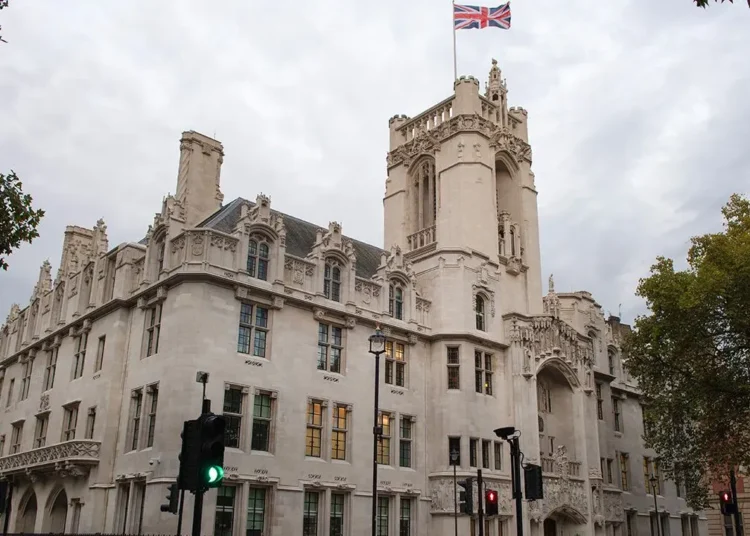
UK Ministry of Justice has initiated a pilot scheme that enables judges to hear cases remotely across distances of hundreds of miles, aiming to speed up proceedings, reduce court backlogs and make more efficient use of available judicial resources.
The initiative transfers cases between courts using digital technology, allowing judges to hear proceedings without requiring all participants to be in the same physical place. The initiative, which allows judicial resources to be deployed across geographical boundaries, is meant to assist courts grappling with mounting backlogs and lessen the delays that have caused victims extended worry.
Pioneered in London and the North-East, the system connects judges, defendants, lawyers, court staff and witnesses through remote hearings. The approach allows proceedings to take place even when participants are based in different parts of the country, potentially reducing the need for physical attendance and giving courts greater flexibility in managing their caseloads.
Courts Minister Sarah Sackman described the reform as part of a wider effort to address the criminal justice system.
“The criminal justice system we inherited was on the brink of collapse. Hearings were cancelled at the last minute and victims have faced unacceptable delays. We are pulling every lever to change this and deliver justice for victims.”
Sarah Sackman
Sackman argued that “this transformational pilot harnesses the power of technology to connect courts across the country, making better use of resources and changing how justice is delivered for victims.”
Remote Hearings Aim to Reduce Delays While Protecting Fairness
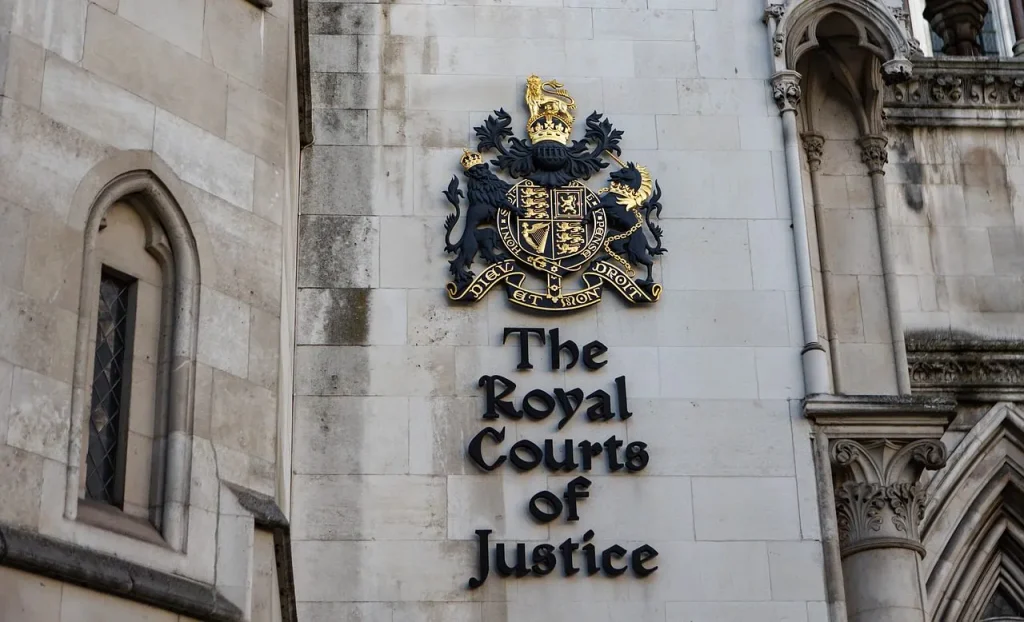
The pilot builds on the existing use of video technology across the courts system, where tens of thousands of remote and hybrid hearings already take place across England and Wales each month.
Under the new arrangements, cases can be transferred digitally so that judges elsewhere in the country can hear them. This could help courts use available judicial time more efficiently, particularly where local capacity is constrained or backlogs are preventing cases from progressing promptly.
The government maintains that remote proceedings will preserve the fundamental principles of fairness, access to justice and open justice. Safeguards are intended to operate throughout hearings, and participants will retain the right to apply to the judge for an in-person hearing.
The Ministry of Justice is continuing to invest in video technology to make remote hearings more accessible, including improving support for vulnerable witnesses.
The pilot has also been introduced in accordance with the latest guidance from the Lady Chief Justice, with any expansion subject to evaluation and judicial approval.
The government’s challenge will be to demonstrate that digital transfers can reduce delays without compromising the quality of proceedings or the ability of participants to engage fully with the justice process.
Police Video Evidence and Jury Trial Plans Add to Court Reforms
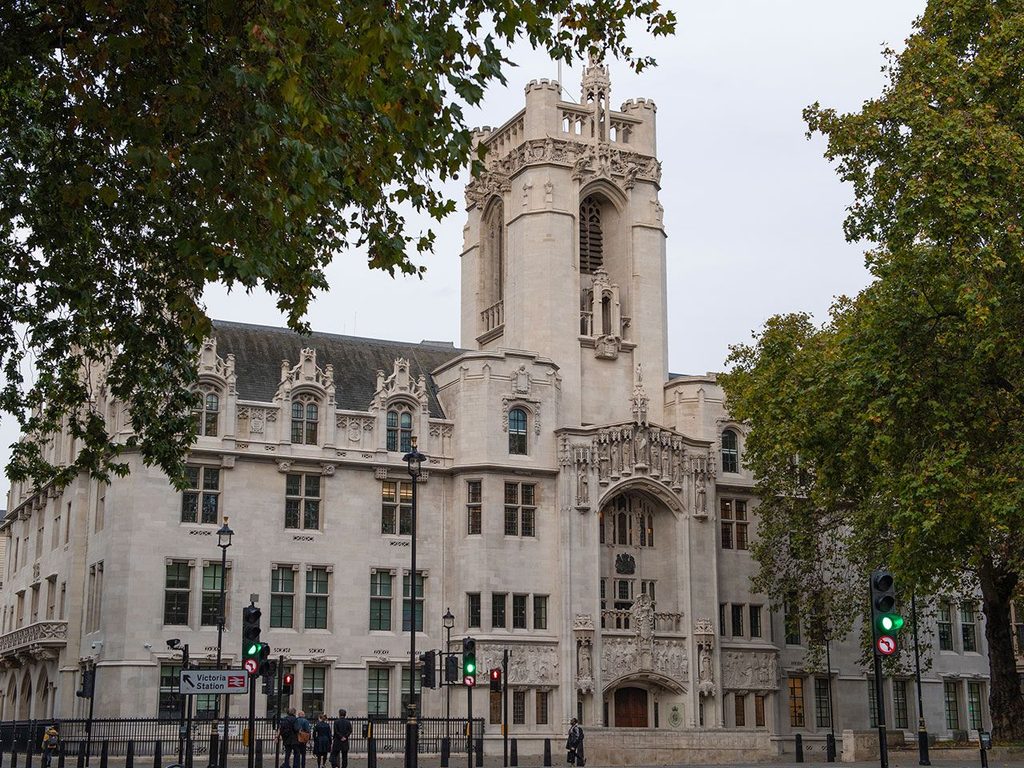
Similarly, the remote-hearing pilot is a component of a larger set of modifications meant to enhance the criminal justice system’s overall resource utilisation.
New arrangements agreed between the Ministry of Justice, the National Police Chiefs’ Council and the Crown Prosecution Service will expand the use of live video links for police witness evidence.
The measure is intended to reduce the demands placed on police officers who might otherwise need to attend court in person, allowing more time to be directed towards policing responsibilities.
The reforms also coincide with the return of the Courts and Tribunals Bill to Parliament. The government is set to amend the legislation to remove proposals to limit jury trials, maintaining its position that almost all Crown Court cases should continue to be heard by a jury.
The jury-trial issue represents a separate but significant part of the government’s approach to court reform. While the remote-hearing pilot focuses on how judicial capacity can be deployed more flexibly, the proposed amendment concerns the role of juries in criminal proceedings.
The developments place court capacity, access to justice and the handling of criminal cases at the centre of the government’s reform agenda. The remote-hearing pilot, however, must demonstrate that it can help cases progress more quickly through the justice system without weakening protections for fair trials.
READ ALSO: Festive Dollar Demand Could Test GoldBod’s FX Strategy, Asantewah Warns