The Ghana Journalists Association (GJA) has raised strong reservations about sections of the proposed Cybersecurity (Amendment) Bill, 2025, cautioning that its passage in its current form could endanger press freedom and free expression in Ghana.
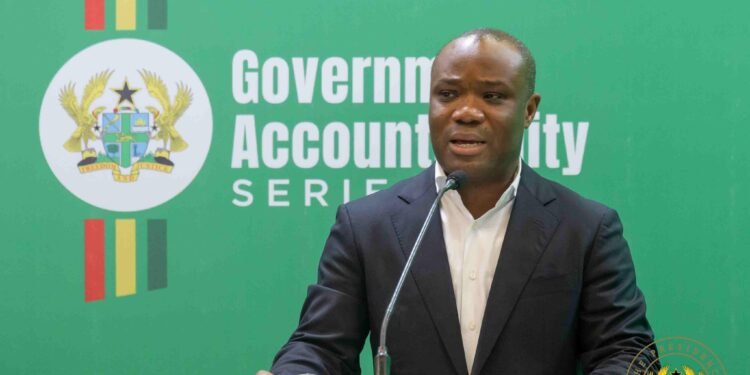
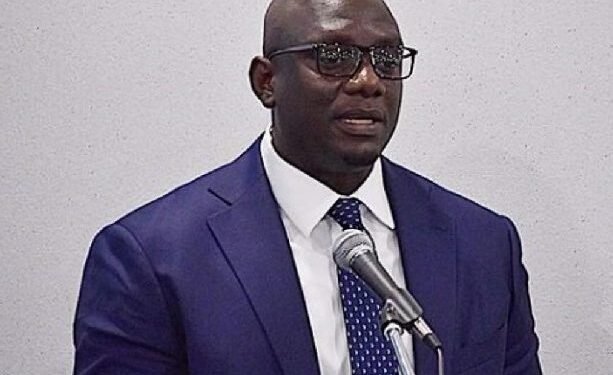
Speaking during a press briefing to mark the International Day to End Impunity for Crimes Against Journalists, GJA President, Albert Kwabena Dwumfuor, said while the Association supports government’s efforts to strengthen the country’s cybersecurity framework, there must be a fair balance between national security priorities and the constitutional rights of journalists and citizens.
Mr. Dwumfuor emphasized that the media remains a critical pillar of Ghana’s democracy and any attempt to restrict its freedom under the guise of cybersecurity reform would undermine accountability and transparency.
He said the Association’s primary concern lies in the potential misuse of the bill to target journalists and media houses critical of government policies.
“We call for broad engagement, public consultation, and education to fine-tune the bill to ensure that every sector directly impacted understands and makes the needed input in the public interest. If what the amendment seeks to cure will worsen the cyber ecosystem, then we must tread cautiously”
Albert Kwabena Dwumfuor, GJA President

The GJA President reaffirmed the Association’s unwavering commitment to defending press freedom and protecting the rights of journalists, noting that such freedoms remain central to Ghana’s democratic identity.
“The GJA and the media will always seek to protect these guaranteed rights and ensure that they are not taken from us,” he said, urging lawmakers and policymakers to resist any temptation to rush the amendment process without adequate consultation.


Ahmed Suale’s Case
Alongside the cybersecurity debate, the GJA also expressed outrage over the recent decision to discontinue the murder case of investigative journalist Ahmed Suale, describing the move as unacceptable and a dangerous precedent.
The Association’s President condemned the continued lack of accountability in the seven-year-old case and called for transparent communication from state authorities, especially the Attorney General’s Office and the Ghana Police Service.
“The GJA demands a full and transparent explanation from the Attorney General’s Department on the reasons for discontinuing the case. The Ghana Police Service must also provide clarification, as we now have a contrary briefing or report. We call on the police to outline the clear steps being taken to identify the real culprit”
Albert Kwabena Dwumfuor, GJA President

The GJA insisted that the government’s handling of the matter threatens public trust in the justice system and undermines Ghana’s image as a democratic state that values accountability and rule of law. The Association reiterated that justice for slain journalists such as Ahmed Suale remains central to ensuring a safe environment for media practice in Ghana.
The GJA’s latest concerns, therefore, extend beyond the proposed cybersecurity reforms to the broader issue of impunity for crimes against journalists.
Mr. Dwumfuor’s remarks align with growing concerns from sections of civil society, the minority in Parliament, and media rights advocates who have also warned that the Cybersecurity (Amendment) Bill, 2025, if not carefully reviewed, could be misapplied against journalists, activists, and ordinary citizens engaging in legitimate expression online.
According to the GJA, any reform process must preserve the delicate balance between ensuring online safety and upholding the constitutional right to free expression. The Association maintained that Ghana’s reputation as a regional leader in democratic governance “depends largely on the state’s willingness to safeguard press freedom and protect journalists from intimidation or legislative overreach.”
While President John Dramani Mahama’s administration continues to emphasize digital transformation and security modernization, the GJA insists that such advancements must not come at the expense of fundamental freedoms.
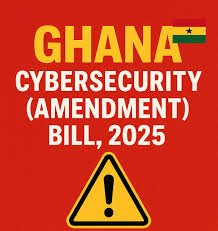
The Association, therefore, pledged to remain actively engage in consultations and advocacy surrounding the bill to ensure that the final legislation strengthens both cybersecurity and democracy.
The GJA’s firm stance reflects its longstanding advocacy for media independence, accountability, and justice – principles that have defined Ghana’s democratic progress over the years.
READ ALSO: NAIMOS Attack: State Needs to Demonstrate it has Powers – Ken Ashigbey