The Institute of Climate and Environmental Governance has released its assessment of the 2026 Budget’s energy sector initiatives, arguing that although the government has outlined forward-looking proposals to strengthen supply and stabilise operations, the measures presented still fall short of addressing the country’s long-standing structural weaknesses.
In a statement issued after the budget presentation, the Institute noted that it recognises government’s desire to enhance energy security. It added that the initiatives signal intent but must be weighed against persistent challenges in generation, distribution and financial management.
“ICEG acknowledges government’s ambitious proposals to ensure energy security.
“While these initiatives signal a strong commitment to resolving long-standing challenges, our analysis reveals some shortfalls which cannot be overlooked.”
Institute of Climate and Environmental Governance
Short-Term Fixes Cannot Substitute for Structural Reform
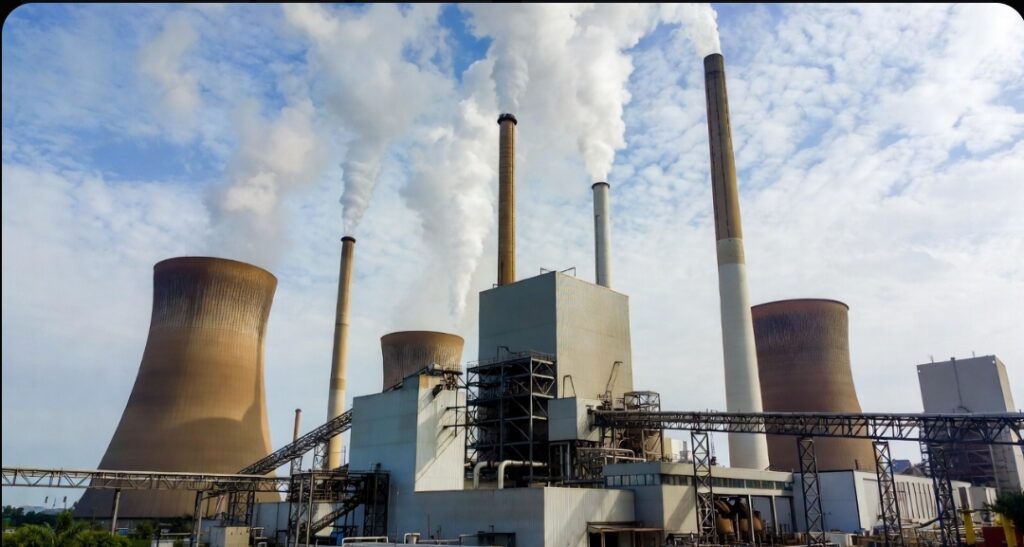
The first concern raised by ICEG relates to the use of stopgap financial measures to stabilise utilities. The Institute stated that the budget relies heavily on clearing debts, restoring letters of credit and settling invoices to improve cash flow.
“The budget on the energy sector proposes measures mainly relying on short-term financial fixes… Although these actions keep the lights on, they don’t fix the underlying technical issues.”
Institute of Climate and Environmental Governance
Those underlying problems, ICEG said, include weak grid infrastructure, inefficient generating plants, system losses and outdated metering. The group argued that without addressing these gaps, financial injections will offer only temporary relief.
The Institute also questioned the least-cost justification for a proposed 1,200 megawatt state-owned thermal plant and a second gas processing plant.
It noted that installed capacity already exceeds demand, which is growing slowly. ICEG cautioned that such large investments could expose the country to unnecessary foreign exchange risks and increase the possibility of long-term stranded assets.
“There is no clear financing structure, procurement, or tariff impact analysis included in the budget.”
Institute of Climate and Environmental Governance
Cost Reduction Claims in Gas-to-Power Strategy Challenged

Government’s projection that shifting from light crude oil to domestic natural gas will reduce power generation costs by at least 75 percent was also contested.
ICEG described the figure as overstated, noting that the total cost of gas generation includes take-or-pay conditions, processing fees, transport charges and dollar-indexed invoices.
The Institute added that many of Ghana’s thermal plants operate below optimal efficiency levels, meaning more fuel is required to produce the same output.
The analysis stated that although gas is cheaper than crude, “the Budget asserts that switching from light crude oil to domestic natural gas will reduce generation costs by at least 75 percent which is technically and economically overstated.”
The group also commented on the Cash Waterfall Mechanism, which government highlighted as evidence of improved revenue flows.
ICEG argued that the higher monthly declarations do not reflect better efficiency because the mechanism only redistributes money collected by ECG and NEDCo without assessing their performance.
The Institute said, “until there is higher bill recovery and drastic reduction of technical losses, the CWM will not solve debt owed IPPs.” It called for an independent audit to verify whether metered energy volumes match the revenue distributed.
IPP Renegotiations Offer Limited Relief
While acknowledging the government’s report of US$250 million in savings from ongoing renegotiations with independent power producers, ICEG warned that Ghana remains locked into long-term capacity payment obligations.
It added that dollar-denominated contracts still pose a challenge since utility revenues are collected in cedis, weakening any gains made.
ICEG also questioned the clarity of the proposed private sector participation model for ECG. The Institute noted that the budget outlines no measurable indicators such as targeted loss reduction, meter installation rates or collection efficiency improvements.
Without these, ICEG warned that PSP could amount to an administrative reform without tangible gains.
A final concern relates to what the Institute describes as heavy emphasis on thermal infrastructure while renewable energy infrastructure receives comparatively little attention.
ICEG believes that greater investment in renewable sources would improve Ghana’s energy mix and reduce fiscal exposure tied to imported fuel.
ICEG’s Policy Recommendations
To address these concerns, ICEG recommended reforms including converting the CWM into a performance-based allocation system, introducing forex-hedging mechanisms for IPP payments, and establishing a detailed PSP framework with standard KPIs.
According to the Policy Lead, Kwesi Yamoah Abaidoo, adopting these recommendations “will enhance efficiency and ensure value-for-money in these initiatives earmarked for 2026.”
As Parliament debates the budget, ICEG’s critique is expected to contribute significantly to the national conversation on ensuring a sustainable and resilient energy future for Ghana.
READ ALSO: Dr. Baffour Called for Sustained Economic Stability to Redeem the ‘Familiar Budget Trend’