The Ministry for Trade, Agribusiness and Industry (MoTAI) has launched the Africa Trade Summit 2026 in Accra with a renewed call for the continent to fast-track industrialization, deepen value addition and value extension, and strengthen the systems needed for resilient intra-African trade.
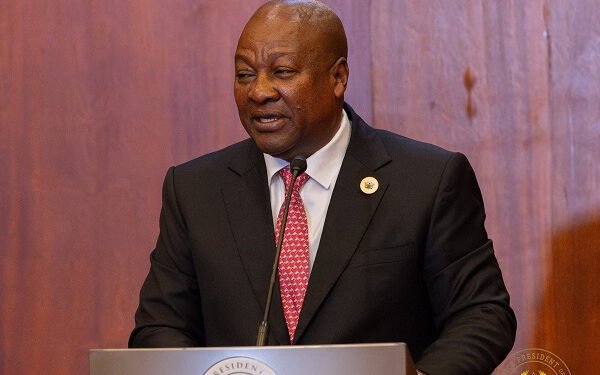
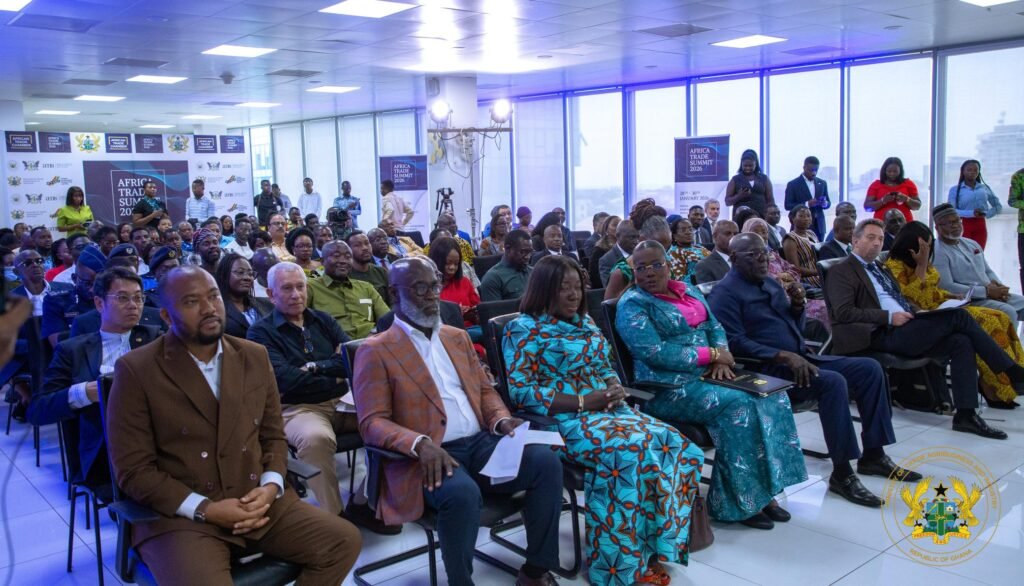
The launch brought together government officials, private-sector leaders and stakeholders who stressed the urgency of shifting Africa away from raw-commodity dependence and toward a productive, innovation-driven future under the leadership of President John Dramani Mahama.
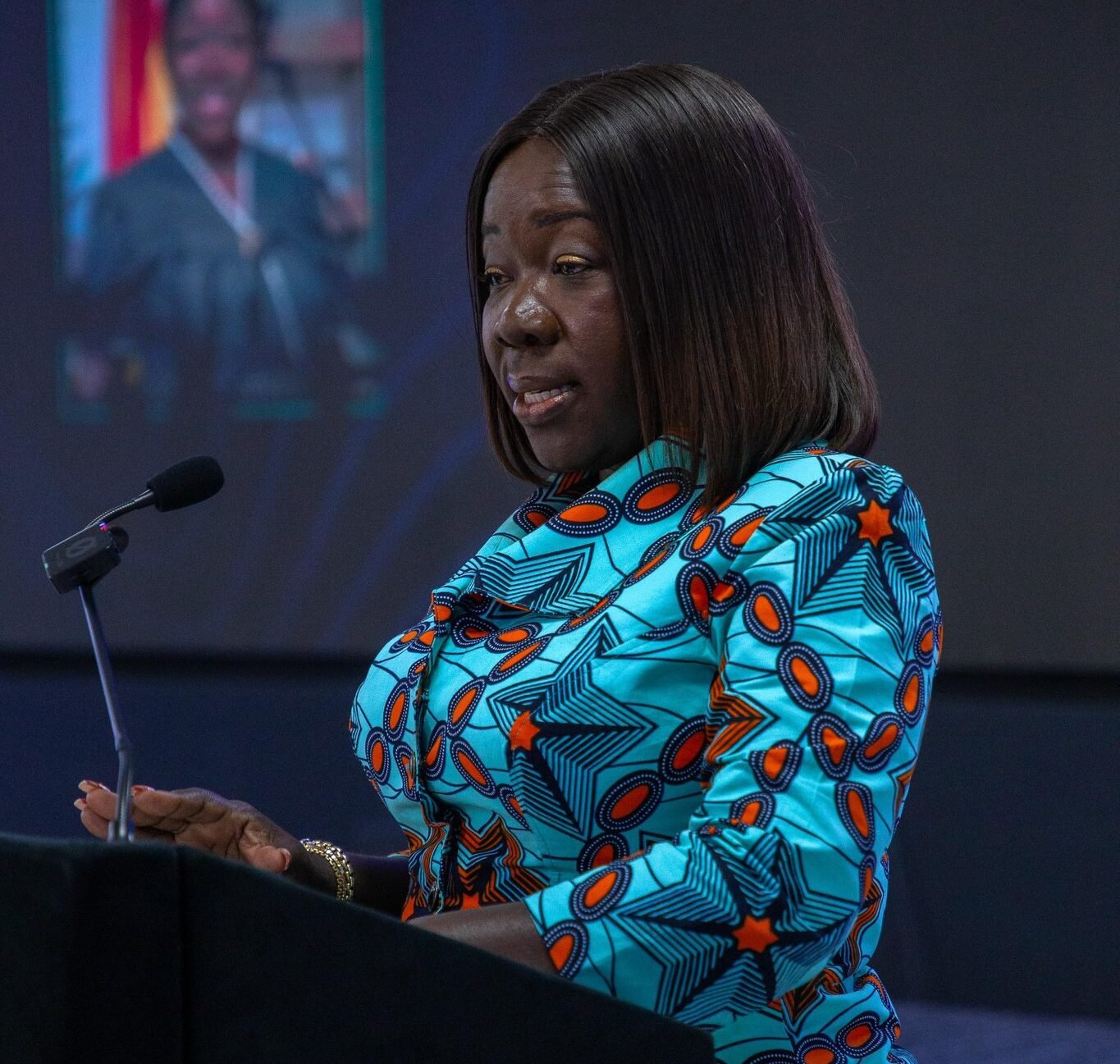
The Minister for Trade, Agribusiness and Industry, Hon. Elizabeth Ofosu-Adjare, delivered the keynote address, positioning the Summit as a major milestone in Africa’s economic transformation efforts.
She argued that African countries could only achieve sustainable growth through coordinated action among governments, investors and the private sector, insisting that Ghana was already demonstrating this direction through deliberate policy choices and infrastructure investments.
“Hon. Ofosu-Adjare highlighted the government’s 24-Hour Economy initiative as the centrepiece of Ghana’s new development model.
“She explained that this shift toward continuous production is designed to increase national productivity, create more jobs, improve service efficiency and accelerate Ghana’s competitiveness within the African Continental Free Trade Area”
MoTAI
Additionally she identified value addition and value extension as core pillars of this strategy, noting the government’s progress in cocoa, cashew, shea, palm oil, coconut and cassava processing.
She also pointed to significant upgrades in national trade infrastructure, citing the commissioning of Phases 1 and 2 of the Tema Port Expansion Project and the ongoing modernization of the Takoradi Port. These investments, she said, place Ghana in a strong position to support the movement of goods under AfCFTA while facilitating broader continental integration.


She reaffirmed Ghana’s early leadership in guided trade under the AfCFTA framework and its strategic access to a market of 1.3 billion people.
The minister appealed to development partners and financial institutions to support Africa with long-term financing for industrialization. For her, the continent’s ability to strengthen its value chains and expand production capacity hinges on access to patient capital that can drive sustained industrial growth.
Fiscal Measures to Support Growth
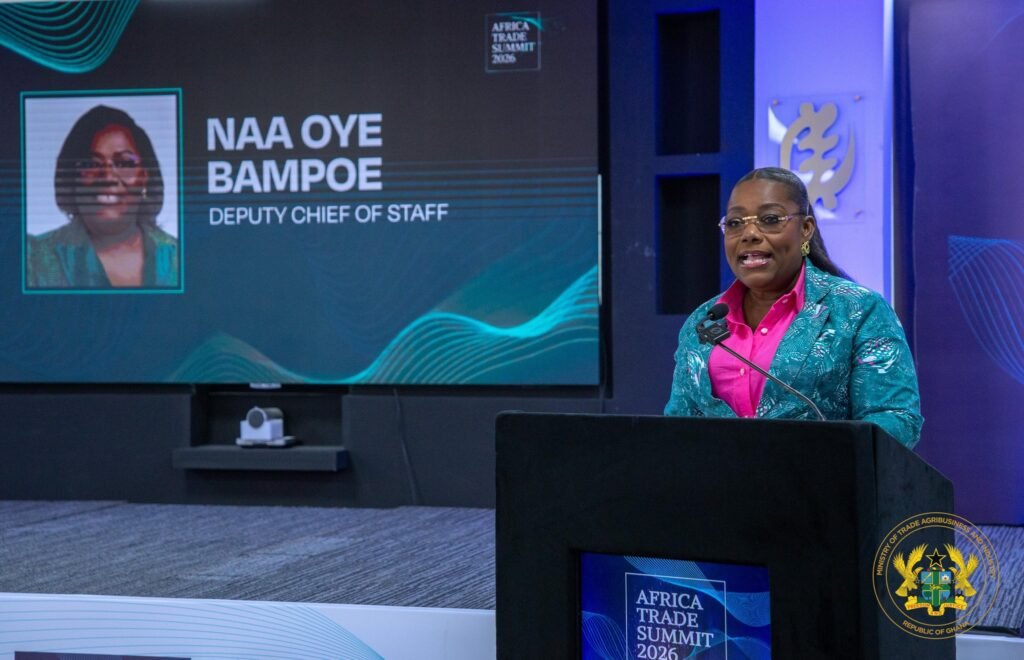
Speaking on behalf of the Chief of Staff, Deputy Chief of Staff Hon. Nana Oye Bampoe Addo announced a set of fiscal measures intended to ease economic pressures and stimulate activity across various sectors.
“These included the removal of the E-Levy, Betting Tax and COVID-19 Levy, which she said formed part of a broader effort to create a more efficient and supportive business environment”
MoTAI
According to the Ministry, she also outlined a $30.8 billion infrastructure programme and expanded support for local industries and agriculture value chains, positioning these interventions as crucial steps in strengthening Ghana’s productive base.
Hon. Bampoe Addo emphasized that these reforms were aligned with President Mahama’s broader economic vision, which places industrialization, value addition and regional integration at the centre of Ghana’s development pathway.
Bold Continental Reforms
Africa Trade Chamber Advisory Board Chairman Sir Sam Jonah delivered one of the event’s most forceful messages, urging African nations to adopt bold reforms that prioritise manufacturing, strengthen institutions and reduce reliance on raw commodity exports.
His remarks underscored a recurring frustration among African industrialists: the persistence of an economic model that exports raw materials while importing finished goods, a pattern that drains value from the continent.
In a pointed reminder of the cost of this economic structure, he stated:
“Every time we ship our raw materials and import finished ones, we effectively export jobs and import unemployment, and we cannot and must not industrialize if we continue to feed other people’s factories instead of building our own”
Sir Sam Jonah, Africa Trade Chamber Advisory Board Chairman
Sir Jonah argued that the transformation Africa seeks will not emerge from conference rooms or committee reports but from real-world business activity, operational factories, entrepreneurial problem-solving and investors prepared to take long-term risks.
He insisted that the private sector must sit at the centre of Africa’s industrial and trade transformation, explaining that regional supply chains and consistent production would be essential to any successful strategy.
He posed a challenge to African leaders, drawing on examples from Asia and the rise of Singapore, South Korea and China. His remarks were both critical and aspirational, aimed at inspiring African policymakers to match rhetoric with genuine action.
“If Singapore with no natural resources could build industries from scratch, what excuse do we have with all the wealth that we are endowed with?” he asked.
Sir Jonah stressed that Africa must stop admiring Asian success from afar and instead apply the same principles of discipline, long-term vision, private-sector partnerships and regional integration.
His message aligned closely with the objectives of the Summit, which seeks to position Africa as a competitive, industrialized and self-sustaining economic bloc.
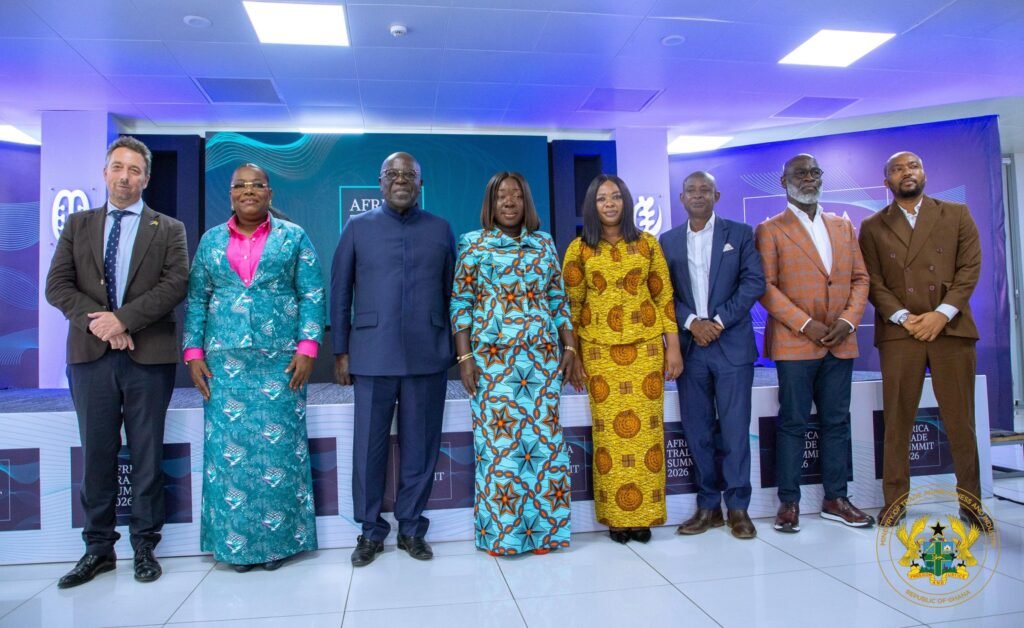
Madam Benedicta Lasi, founder of the African Trade Chamber, concluded the programme with an overview of the 2026 Summit and Awards, assuring participants of a well-structured and impactful three-day event.
READ ALSO: ASEC Warns Ghana’s Energy Sector Risks Undermining 2026 Fiscal Gains