
The national conversation over the proposed acquisition of new presidential jets and helicopters has once again exposed deep political divisions – with security analyst Richard Kumadoe urging leaders to elevate practicality above entrenched partisanship.
His critique follows weeks of disagreements between the Majority and Minority in Parliament over the government’s plan to procure six aircraft under the 2026 Budget, including four helicopters and two executive jets expected to support national and executive operations.
The enduring friction, he suggested, speaks to a wider pattern of political inefficiency that continues to hold the country back, even in matters of national security under the administration of President John Dramani Mahama. Kumadoe argued that Ghana’s struggle to reach a consensus on aircraft acquisition was not due to technical or financial incapacity but rather the persistent unproductive nature of political engagements.
He warned that political divisions were clouding essential national issues that should ordinarily command broad agreement, particularly matters concerning the safety and operational readiness of the state. In his view, the bickering surrounding the jets mirrors broader dysfunction in national decision-making.
“I think it’s the usual unproductiveness of our politics. It’s the usualness of the politics that do not speak the truth. It is the usualness of our politics that divides the country and sets the country on the wrong path. That we’re always against each other”
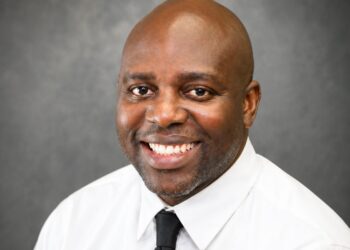
Richard Kumadoe, Security Analyst
He suggested that Ghana, unlike its neighbours in West Africa, appears unwilling to invest adequately in its defence systems despite an increasingly complex regional security environment. Kumadoe expressed concern that the nation’s refusal to take the conversation beyond partisan debates could leave it exposed at a time when other countries are significantly expanding their security capabilities.
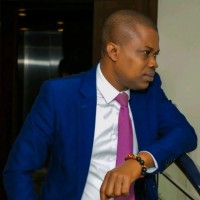
“Some West African countries are spending more in equipping the national security infrastructure or the defence budget than us. I don’t think we are getting it right, and that is where my fear is”
Richard Kumadoe, Security Analyst
Partisan Gridlock in Parliament
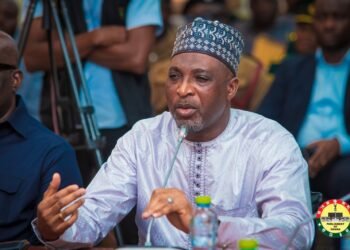
The recent clash in Parliament was sparked by criticism from Damongo MP Hon. Samuel A. Jinapor, who questioned the government’s allocation of GHS 13.1 billion for the new aircraft while some public sector workers reportedly remain unpaid.
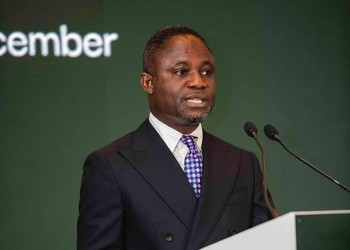
Former Defence Minister Mr. Dominic Nitiwul also referenced opposition to similar proposals during his time in office, attempting to highlight inconsistencies in political positions. The Minority has described the proposal as misplaced priority, insisting that resources should be channelled into welfare and employment concerns.
The Majority, however, argues that the aircraft are crucial operational tools and that the country’s improved economic conditions under President Mahama’s leadership make the investment viable.
Kumadoe viewed the tug-of-war as yet another example of partisan narratives overshadowing national interest. He argued that political actors often dilute discussions with rhetoric rather than addressing the underlying security imperatives. The debate, he indicated, reflects a dangerous trend in which political considerations outweigh objective assessments of Ghana’s defence needs.
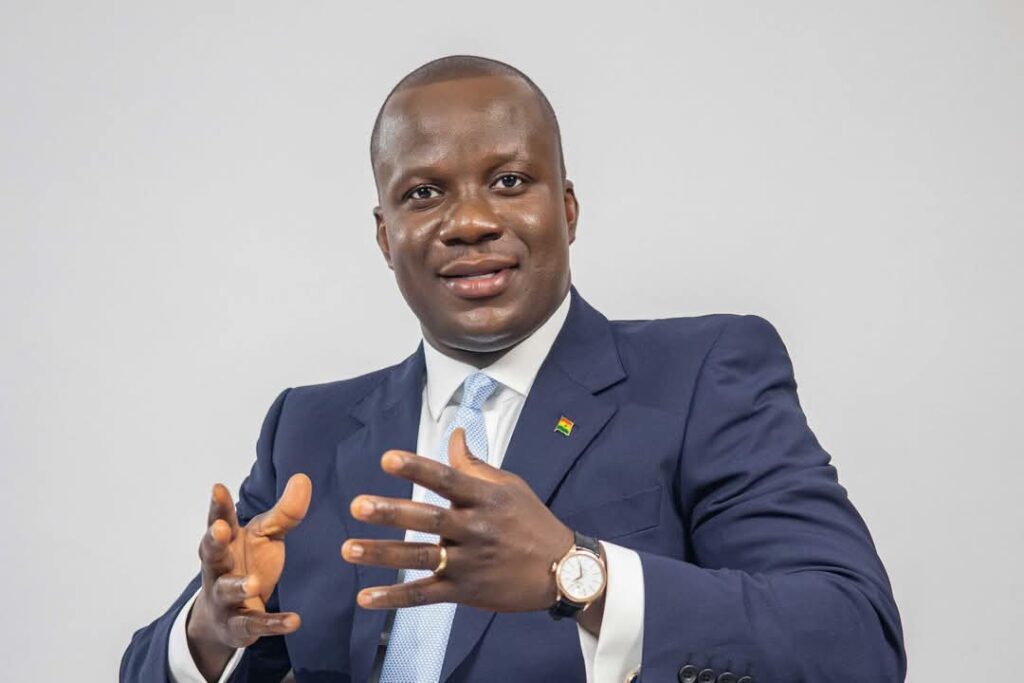
“I don’t know how long we’re going to keep dragging ourselves, where the narrative is always diluted, and nobody wants to speak the truth. I’m hoping and praying that we will come to a consensus where common sense will prevail rather than the unproductiveness of our politics”
Richard Kumadoe, Security Analyst
Retooling as a National Imperative
Beyond the current debate, Kumadoe insisted that upgrading and expanding Ghana’s security capabilities must not be seen as optional or politically negotiable. He argued that the security services require modern equipment to carry out missions effectively and respond to emergencies.
For him, national security investments should be treated with the same seriousness given to other sectors such as education, health, or agriculture, as they form the backbone of the nation’s stability. He maintained that if political actors focused on the country’s real needs, rather than point-scoring, such debates would not become contentious.
“For me, whatever we will use and wherever we will find the money – when the economy is doing well, in particular to retool the military and other security agencies, is the best way to go. If all the security agencies are retooled, we will not be having this discussion”
Richard Kumadoe, Security Analyst
His comments reflect growing concerns among security experts that Ghana risks falling behind in defence preparedness if critical decisions continue to be filtered through partisan lenses. Kumadoe’s warning offers a broader lesson on the need for political actors to approach sensitive national matters with unity of purpose rather than rivalry.
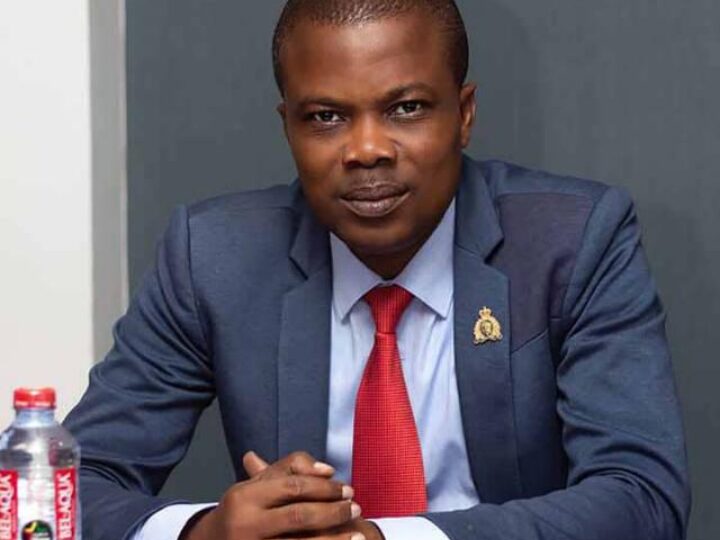
As the debate continues, the call for common sense over partisanship grows increasingly urgent, serving as a reminder that national security – by its very nature – demands clarity, consensus, and a commitment to the collective good.
READ ALSO: Forestry Commission Laments over Inadequate Ordnance to Face ‘Galamseyers’