Ghanaians are counting on the resilience of policy priorities and measures of the government to bolster its achieved growth as global shocks persist.
The Ghanaian economy has been steadfast, robust, and resilient, at least for an economy being restored in less than a year of deep turmoil. This phase of economic restoration is not without the persistent challenges of a developing and a Sub-Saharan economy.
“Over the past six months, the realignment of global priorities and increasingly turbulent external conditions have continued to test sub-Saharan Africa. Yet the region’s economies are proving resilient.”
IMF
Sustaining Ghana’s Economic Growth
Ghana’s resilience and month-on-month consistency in 2025 is an encouragement for the sub-region, drumming home the possibility of fiscal prudence and economic turnaround. According to Dr Cassiel Ato Forson, during the reading of the 2026 Budget Statement and Economic Policy, this sudden restoration of the Ghanaian economy was achieved through fiscal discipline and prudent management of the economy.
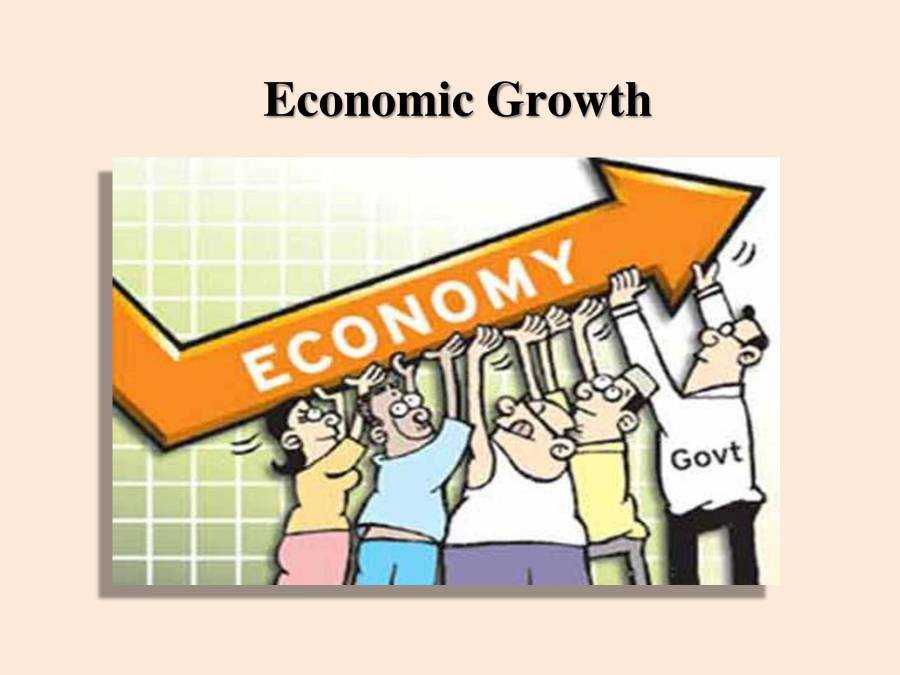
Ghana’s economy as of November 2025 is a reflection of significant improvements in most of the economic indicators. Ghana’s debt-to-GDP ratio has reduced from 61.8% at the end of 2024 to 43.8% by the end of 2025Q2, supported by the enduring debt restructuring. Inflation has reduced from 23.8% in December 2024 to 8.0% in October 2025. The exchange rate as of 2025H1 has appreciated by 42.6% against the US dollar in 2025H1, a turnaround from prior depreciation trends.
Ghana’s real GDP reached 5.3% year-on-year in 2025Q1 and 6.3% in Q2, driven by the agriculture and service sectors. The government has also exhibited strong fiscal discipline and expenditure controls, as the primary balance recorded a surplus. The total fiscal deficit was lower than estimated. The country again recorded a current account surplus due to gold and cocoa payments as well as a gross international reserve build-up, providing more than four months’ import cover.
The financial soundness of the banking sector has improved, and Non-Performing Loans (NPL) have declined. There is real credit growth to the private sector, showing restored investor confidence and an easing business environment. Ghana’s current fiscal consolidation and debt restructuring resulted in an upgrade in Ghana’s sovereign credit rating and other economic ratings.
The 2025 financial year has been good, while the remaining economic challenges are expected to be resolved in 2026. Meanwhile, the sharp drop in foreign aid has hit Ghana, like other developing economies. The government, since early 2025, has tried to reprioritize spending and confront capacity constraints and limited room for operation in budgets.
External Shocks Affecting Ghana’s Current Growth
While Ghana’s current economy is robust, vulnerabilities still lurk in the corners to test the fundamental structure of this achievement. Across the African continent, governments are confronted with monetary, fiscal, and external pressures that risk the erosion of economic gains. Ghana is no exception, with its reforms, discipline, and goodwill on the edge in reference to the 2026 financial year.

The IMF, looking into the future, identified that the debt service costs are rising fast in the sub-region, squeezing budgets and the space for development spending. “Fiscal fragility continues to trouble the region, particularly among low-income economies,” the Fund added.
“The global trade policy and aid landscape have also deteriorated. Tariffs on exports to the United States have increased, and preferential access to the market under the African Growth and Opportunity Act (AGOA) has expired.
“While the amount of tariff-exposed trade is relatively modest for most countries in the region [SSA], the effects of trade tensions are likely to be felt through dimmer global growth prospects and volatile commodity prices.”
IMF
In spite of these influences this year, the Ghanaian economy is proving resilient.
Policy Priorities for Ghana’s Economic Managers
The government of Ghana needs to follow two broad policy priorities to further cement the gains of 2025 in 2026. The government must increase revenue mobilization and collection, as well as ensure prudent management of debt, to foster the needed resilience and accelerated growth.

Raising more revenue is crucial to the growth and development of Ghana. The needs of the Ghanaian economy are huge, but external funding is scarce currently, while the debt burden is heavy in cases where the country gains external funding.
“Mobilizing domestic revenues at home is an essential route to lasting fiscal space, while better debt management can lower borrowing costs and widen access to funds.”
IMF
The tax authorities of Ghana, GRA and the Ministry of Finance, have proposed several tax reforms in the 2026 Budget Statement to boost tax collection without introducing new taxes. This is commendable, yet effort-intensive.
“Past efforts show what works—and what does not. Effective reform demands attention to both tax policy (what and how much to tax) and tax administration (how to collect). Countries that have made headway—such as Ghana, Rwanda and Tanzania—did so by digitizing their tax systems, piloting reforms, supporting tax officials, and engaging citizens.”
IMF
For an effective tax mobilization and collection, the public must support government efforts. According to the Fund, “the lesson is clear: progress depends as much on trust and sequencing as on technical fixes.” This trust is built through the proper utilization of public funds by the government. Service delivery, tighter spending controls, and efforts to tackle corruption and boost accountability must be enhanced. Anything short of this shortens the revenue gains.

In terms of improving debt management, the government must be transparent with data, public engagements, and strengthen approval and oversight procedures. The government must be innovative when it comes to financing and debt management.
“Instruments such as blended finance, which combine concessional and private funds, can channel investment into green energy, health, and infrastructure.
“Agreements between governments and creditors to replace existing sovereign debt with liabilities that include spending for a specific development goal, known as debt-for-development swaps, can foster social or environmental gains—and have been tested in Côte d’Ivoire among other places.”
IMF
Ghana requires effective and up-to-task regulations, transparent data, and much more ease in procedures to set a precedent for future governments for economic expansion, job creation, infrastructure development, inclusive growth, and improved living standards.
READ ALSO: Ghana on the Brink of Fiscal Triumph: Deficit to Hit Just 4 Percent