Ghana’s current economic pursuit of a reset agenda stems from a long history of persistent poverty that seems to linger, and its alleviation efforts have dwindled over the years.
Experts agree that the economy of Ghana is in dire need of a reset, and with a strong popular mandate and a significant parliamentary majority, the new government is uniquely positioned to lay the foundations to foster broader-based economic growth and structural transformation.
The World Bank recounts the stalled nature of poverty over the last decade and warns of hindrance to the restructuring of the economy if not addressed.
“Despite slower but continued increases in GDP per capita, poverty reduction paused after 2012. Between 2012 and 2016, the last two years with reliable household survey data, poverty at the national absolute poverty line fell only marginally from 24.2 to 23.4 percent as growth ceased to be pro-poor.”
World Bank
According to the World Bank, consumption growth for the bottom 40 percent of the population declined significantly. The growth elasticity of poverty has remarkably decreased, reflecting limited job opportunities in high-productivity activities and a largely capital-intensive industrial development.
Ghanaians are reluctant to invest in their education and skills due to limited business opportunities and job creation in the formal sector. The failure of governments to build adequate human capital and pursue private sector opportunities has increased interest in public sector employment due to wage premiums.
Ghana’s public sector, however, “can only absorb a small segment of the labor force, and thus, the majority of Ghanaians float between underemployment in agriculture and informal service sector jobs,” the Bank noted. The informal sector and self-employment have absorbed a large share of the labor force, even in higher income quintiles.



The Reversal Mandate
Recent economic underperformance in Ghana due to high inflation and slower economic growth reversed past gains in poverty reduction. The COVID-19 pandemic and Russia-Ukraine war marked an inflection point for poverty in Ghana, and a subsequent increase in food and fuel prices, and reduced household purchasing power, especially for the poor and middle class.
As a response to the global situation, inflation spiked, borrowing costs increased, investment risk heightened, foreign and domestic investment reduced, businesses suffered, and more unemployment was created.
Ghana’s weak fiscal structure was revealed in terms of weak revenue collection, inefficient expenditures, significant energy sector shortfalls, and high debt levels. The government could not mitigate the impact of these shocks on the population, especially the poor and most vulnerable, who also have more limited mechanisms to cope with the shocks by themselves.
“These factors have led to a stagnation of income per capita at around US$2,200. The international poverty rate (US$3.00 in 2021 purchasing power parity) is estimated to have increased marginally to 40 percent in 2023 from 39 percent in 2017.”
World Bank
The new government set out to provide greater governance and transparency to place public debt on a sustainable path, convert the natural resource curse into a blessing, and regain the trust of its citizens, ‘which remains among the lowest in Africa.’

With about 500,000 young people entering the labor force annually – contributing to a young working population of nearly 7 million by 2030 – these efforts by the government can recapitalize the ‘demographic dividend’ and build a wheel that successive administrations could utilize.
Possible Hinderance to the Reset – Exclusivity
The absence of economic convergence, disparities in service delivery, and environmental degradation in Ghana have caused persistent socioeconomic inequalities across Ghana’s regions.

Inequalities in poverty and social outcomes are stark between the regions in the Northern part of Ghana, where absolute poverty rates remain above 50 percent, and the rest of the country. These spatial inequities reflect both income sources and disparities in service delivery.
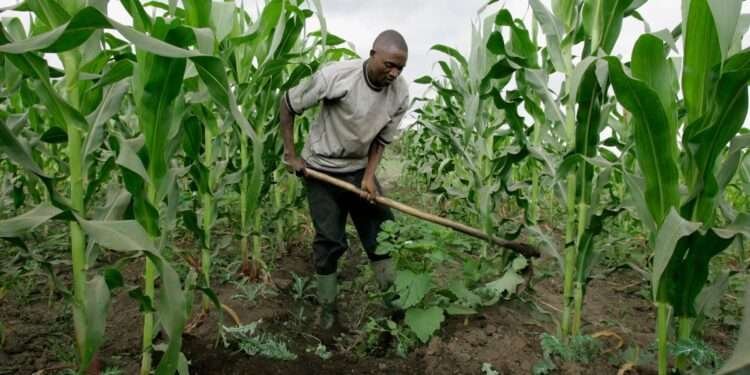
“More than 80 percent of Ghana’s poverty incidence is in rural areas. Agriculture remains the dominant employer in the three Northern Regions, with farmers mainly engaged in rain-fed traditional subsistence agriculture, which is disproportionately affected by volatile rainfall patterns and increasing crop failures due to climate change.”
World Bank
In terms of access to education, health, and infrastructure (electricity, roads, water, and sanitation), there is a huge gap between poor and rich districts. Ghana has witnessed rapid urbanization, which has resulted in disparities within cities. The swift pace of urbanization has strained the country’s infrastructure and public services, which have not kept up with the increasing demand.
“Although urban poverty rates have dropped over the last decade, the number of urban poor has not decreased. Poverty is more prevalent in lower-elevation slums, where communities experience higher fertility, lower school attendance, and very low access to sanitary services.”
World Bank
The slums in Ghana are vulnerable to natural disasters, especially floods, which threaten housing, transportation, electricity, water, and sanitation.

The government’s reset agenda must consider the specific needs of Ghana’s regions, cities, and communities to ensure that infrastructure is not only planned and implemented but also effectively addresses the population’s unique requirements to combat poverty.
READ ALSO: TotalEnergies Slips as GSE Opens Week with 90% Turnover Wipeout