The Government under the leadership of President John Dramani Mahama continues to prioritise agriculture as a central pillar of the national resetting agenda.
This emphasis reflects a strategic approach to rebuilding the economy through productivity, innovation, and resilience, according to key government officials.
Speaking at the opening ceremony of the 41st National Farmers’ Day in Ho, Mr James Gunu, the Volta Regional Minister, highlighted the critical role agriculture plays in the country’s economic recovery. He said the prioritisation aimed at rebuilding the economy through productivity, innovation, and resilience.
“Farmers, fishers, processors, and value-chain actors remain the backbone of the country’s economy, and the Volta Region remains committed to supporting agriculture as a major engine for economic transformation.”
Mr James Gunu
The 2025 National Farmers’ Day celebration, slated for December 5 in the Volta Region, is themed “Feed Ghana, Eat Ghana, Secure the Future.” The event provides a platform to acknowledge the efforts of farmers and highlight the importance of sustainable agricultural practices in Ghana.
Aligning with National Vision
Mr Gunu emphasised that this year’s celebration aligns deeply with the national vision of strengthening food security, expanding agro-based industries, and promoting sustainable livelihoods for citizens. Hosting the event in the Volta Region also reflects the area’s growing contribution to national food production and the strategic role of the Volta Economic Corridor initiative.
According to Mr Gunu, the Volta Economic Corridor is instrumental in transforming agriculture, agro-processing, logistics, and export capacity. He noted that the region continues to emerge as a leader in rice production, aquaculture, cassava processing, vegetable cultivation, and animal husbandry, making it a critical hub for national food security.


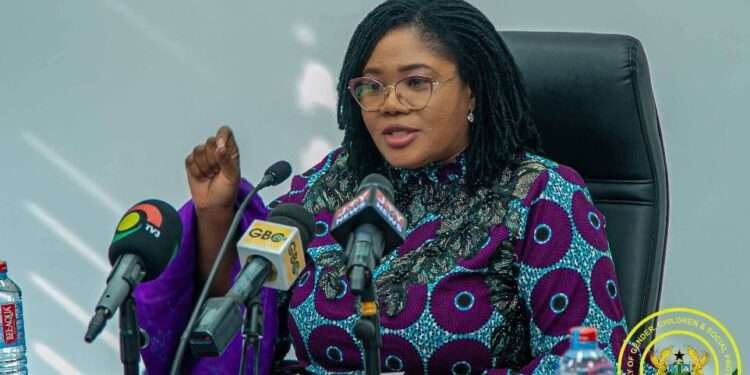
Madam Emelia Arthur, Minister of Fisheries and Aquaculture, who was represented by Madam Marian Kpakpa, Chief Director, highlighted the significance of the fisheries and aquaculture sector in Ghana’s food system. She said the theme for this year’s celebration was a call to action and tribute to farmers for their extraordinary efforts.
“The fisheries and aquaculture sector is a cornerstone of the country’s food system as fish provides nearly 60 per cent of animal protein consumed in the country, nourishing millions of families daily.”
Madam Emelia Arthur
Madam Arthur acknowledged the challenges faced by fisher folks, including rising costs, climate change, and post-harvest losses. Despite these challenges, she said, fishers remained determined and continued to innovate and uphold the dignity of the profession.
Strengthening Fisheries and Agriculture
Madam Arthur further explained that the resilience of fishers is inspiring and drives ongoing reforms, including strengthening the Fisheries Management Act, expanding aquaculture zones, improving premixed fuel governance, and investing in modern landing site infrastructure. She added, “Farmers drive the economy and are the champions of the country’s food system, fueling the mission to feed Ghana sustainably.”
She also stressed that the future of Ghana’s food system depends on responsible stewardship of natural resources, including climate-smart agriculture and sustainable fishery management practices. The Ministry commended farmers for their resilience and assured continuous collaboration to support the sector.
Togbega Patamia Dzekle VII, Paramount Chief of Battor Traditional Area, who chaired the event, commended farmers for their hard work and dedication. He also called for comprehensive mechanisms to protect the environment against degradation, recognising the vital link between sustainable practices and agricultural productivity.
The event drew a wide range of participants, including municipal and district chief executives, heads of decentralised agencies, students, and major actors across the agricultural value chain. Their presence highlighted the collective commitment to ensuring that agriculture continues to drive economic growth and national development.
The Government’s emphasis on agriculture as a central pillar of the resetting agenda signals a renewed focus on food security, economic resilience, and sustainable livelihoods. By supporting farmers, fishers, and agro-based industries, Ghana is positioning itself for long-term growth, innovation, and prosperity.
With the Volta Region emerging as a leader in multiple agricultural sectors and strategic initiatives such as the Volta Economic Corridor in place, the country is poised to enhance production, improve supply chains, and expand export potential. National Farmers’ Day serves not only as a celebration of hard work but also as a reminder of the critical role agriculture plays in Ghana’s economic transformation
“Government recognises that the future of our food system depends on the responsible stewardship of our natural resources including climate-smart agriculture and sustainable fishery management practices.”
Madam Emelia Arthur
READ ALSO:WASSCE Crisis: UG Maintains Unyielding Cut-Offs Despite Mass Failure