
A wave of influential voices from Ghana’s civil society and media landscape has risen in firm opposition to recent calls from the Speaker of Parliament, Alban Bagbin, and several Members of Parliament to scrap the Office of the Special Prosecutor (OSP).
Figures from IMANI Africa, the Ghana Centre for Democratic Development (CDD-Ghana), and celebrated investigative journalist Manasseh Azure Awuni have urged national leaders to exercise restraint and protect what they described as one of Ghana’s most vital institutions in the fight against corruption.
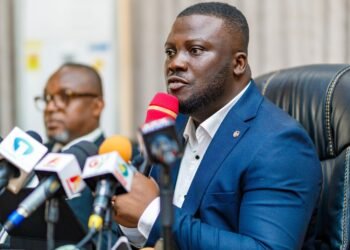
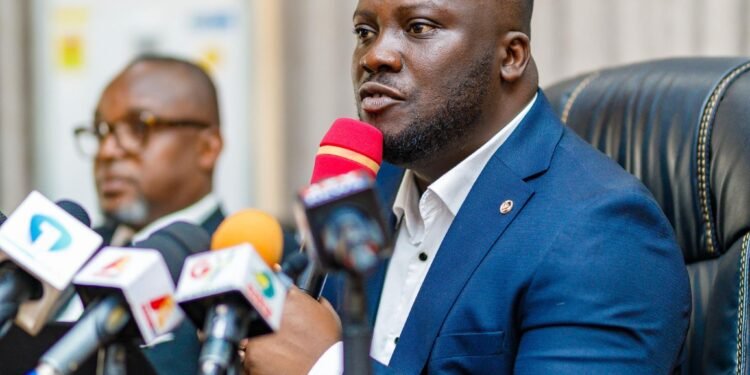
Franklin Cudjoe, Founding President of IMANI Africa, was among the first to publicly respond to the escalating debate. Writing in a reflective but pointed tone, Mr Cudjoe argued that dismantling the OSP would undermine years of effort to tackle high-level corruption.
To him, challenges facing the OSP are not proof of failure but evidence of how tough the anti-corruption terrain is. “Who said it was going to be easy fighting grand corruption, even with the creation of the Office of the Special Prosecutor?” he asked, emphasising that the complexities of prosecuting powerful individuals are well known and should not be used as justification to abolish the office.
Mr Cudjoe highlighted the structural and legal barriers that often slow the progress of corruption cases in Ghana. He noted that even when the Special Prosecutor is determined to pursue cases through the fast-track courts, “due process and expensive lawyers can drag cases out for months.”

According to him, some high-profile political elites take advantage of these systemic loopholes, engaging in what he described as “cat and mouse games” to frustrate investigations and avoid accountability.


Limitation of Criminal Prosecution
The IMANI President also warned that criminal prosecutions, while essential, are inherently limited. He explained that prosecutions typically occur only after the corrupt act has already taken place and that missing public funds are seldom recovered.
Moreover, politically charged investigations that fail in court can discourage future prosecutions, especially in a system where institutional weaknesses often impede thorough investigations.
This, Mr Cudjoe argued, is exactly why the OSP must be strengthened, not scrapped. “Yes, the SP may have faults, but he remains for me one of the few good sheriffs in town, an urban warrior really,” he stated.
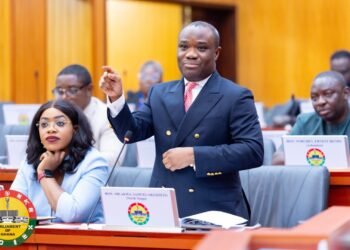
Investigative journalist Manasseh Azure Awuni joined the chorus of dissent, stressing that the creation of the OSP remains one of the most significant anti-corruption legacies of former President Nana Addo Dankwa Akufo-Addo.
Manasseh recalled that the President’s appointment of Martin Amidu as the first Special Prosecutor demonstrated a clear intent to empower the new institution. Despite the tensions that emerged between Akufo-Addo and Amidu, Manasseh argued that the OSP’s value must not be judged solely by the actions or shortcomings of those who have held the office.

He described the OSP as “the most independent prosecutorial body in Ghana’s fight against corruption,” a status that should be preserved rather than dismantled.
While acknowledging public frustration around the Office’s output and pace of work, he insisted that the institution itself remains essential. “We can question the output of the occupants of the Office,” he wrote, “but the Office is necessary.”
Caution against Parliament
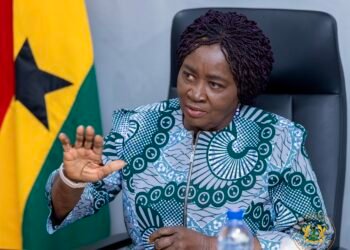
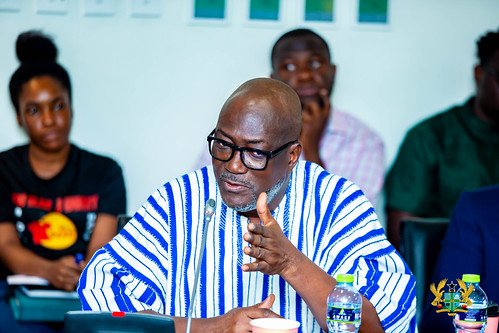
The Executive Director of CDD-Ghana, Professor H. Kwesi Prempeh, offered perhaps the most direct rebuttal to the Speaker of Parliament’s suggestion. Addressing Speaker Bagbin respectfully but firmly, Professor Prempeh argued that Parliament should not be tempted into abolishing the Office.
“No, my good Rt. Honourable Speaker, Parliament shouldn’t. That would amount to throwing the baby out with the bathwater. Nothing good would be achieved by so doing.”
Executive Director of CDD-Ghana, Professor H. Kwesi Prempeh
He went further, warning that such a move would reinforce the perception that Ghana’s political class, though divided by party lines, is united in its reluctance to confront corruption.
Scrapping the OSP, he suggested, would “confirm one thing: that Ghana has one political class divided into two think-alike political parties that, self-interestedly, share a common enemy.” His message to the Speaker was clear: “Resist the temptation, Sir.”
The debate over the OSP’s future has intensified in recent weeks following pointed criticisms from the Speaker and several MPs, who expressed dissatisfaction with the Office’s approach to certain investigations. But civil society leaders and prominent journalists argue that the solution lies in reform, resourcing, and patience—not abolition.
As public pressure builds and political actors weigh their next steps, the message from these influential voices remains consistent: Ghana’s fight against corruption depends on institutions that are insulated from political interests, empowered to act, and given time to mature.
For them, the Office of the Special Prosecutor is one such institution, and dismantling it would be a grave misstep in a country still working to strengthen democratic accountability.
READ ALSO: Massive Rate Cut Looms Yet Again as Ghana’s Inflation Free-Fall Beats IMF Target