Office of the Responsible Cooperative Mining and Skills Development Programme (rCOMSDEP) has reaffirmed its commitment to enforcing responsible mining standards and strengthening monitoring efforts across the mining areas in the country.
This comprehensive approach aims to transition miners from unregulated, environmentally-damaging practices to safer, more sustainable, and legally-compliant operations.
rCOMSDEP’s multi-pronged strategy, which involves close collaboration with regulatory bodies such as the Environmental Protection Agency (EPA), the National Anti-Illegal Mining Operations Secretariat (NAIMOS), and the Blue Water Guards, underscores the government’s unwavering determination to address the complex challenges posed by illegal mining.
By empowering miners to adopt approved methods that prioritize safety, environmental protection, and community development, the program seeks to reshape the mining landscape and secure a more prosperous and sustainable future for all stakeholders.
“We are going to ensure that the proper thing is done, and after implementation, we will make sure the right procedures continue to be followed.”
John Afful
The Director of Communications at rCOMSDEP, John Afful emphasized the program’s commitment to rigorous monitoring and enforcement.
Transitioning Miners Towards Responsible Practices
At the heart of rCOMSDEP’s initiative is the goal of transitioning miners from illegal galamsey operations to more responsible and regulated mining practices.


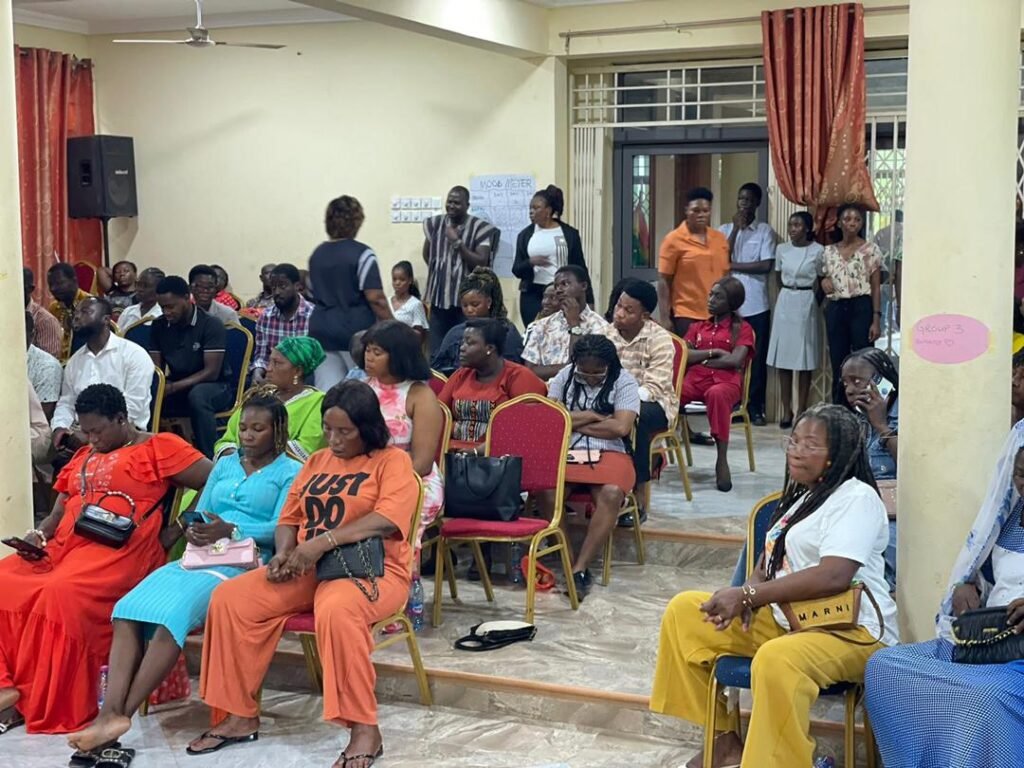
Through a comprehensive public sensitization campaign, the program is actively engaging with mining communities in the Ashanti Region, urging miners to abandon their unregulated activities and embrace the approved methods that prioritize safety, environmental preservation, and sustainable community development.
This renewed push follows months of community engagements, awareness campaigns, and stakeholder consultations held across mining communities since the program’s launch on August 6, 2025, in Obuasi.
The timing of the program’s inception, coinciding with the tragic Sikaman-Brofoyedru plane crash that claimed eight lives, has further underscored the urgent need to address the systemic challenges posed by illegal mining.
Strengthening Monitoring and Oversight

rCOMSDEP’s Monitoring and Evaluation Unit will play a crucial role in ensuring that all mining cooperatives adhere to the responsible mining protocols established by the program.
By closely monitoring the implementation of these standards, the unit will work to guarantee that the proper procedures are followed, and that the benefits of responsible mining are equitably distributed among the various stakeholders, including the mining cooperatives, beneficiary communities, rCOMSDEP, and traditional leaders.
This emphasis on transparent and inclusive benefit-sharing is a key component of rCOMSDEP’s approach, as it seeks to foster a sense of ownership and accountability among all parties involved in the mining sector.
By aligning the interests of miners, communities, and regulatory bodies, the program aims to create a more sustainable and cohesive mining ecosystem that serves the greater good of the nation.
Combating Illegal Mining: rCOMSDEP’s Role and Objectives

The Office of the Responsible Cooperative Mining and Skills Development Programme (rCOMSDEP) is a government initiative established to address the pressing challenges posed by illegal mining in the country.
Recognizing the devastating environmental, social, and economic impacts of the galamsey menace, rCOMSDEP has been tasked with spearheading a comprehensive strategy to transition miners towards more responsible and sustainable practices.
At the heart of rCOMSDEP’s mandate is the promotion of cooperative-based mining, which seeks to empower miners to organize themselves into formally recognized groups that operate within the confines of the law.
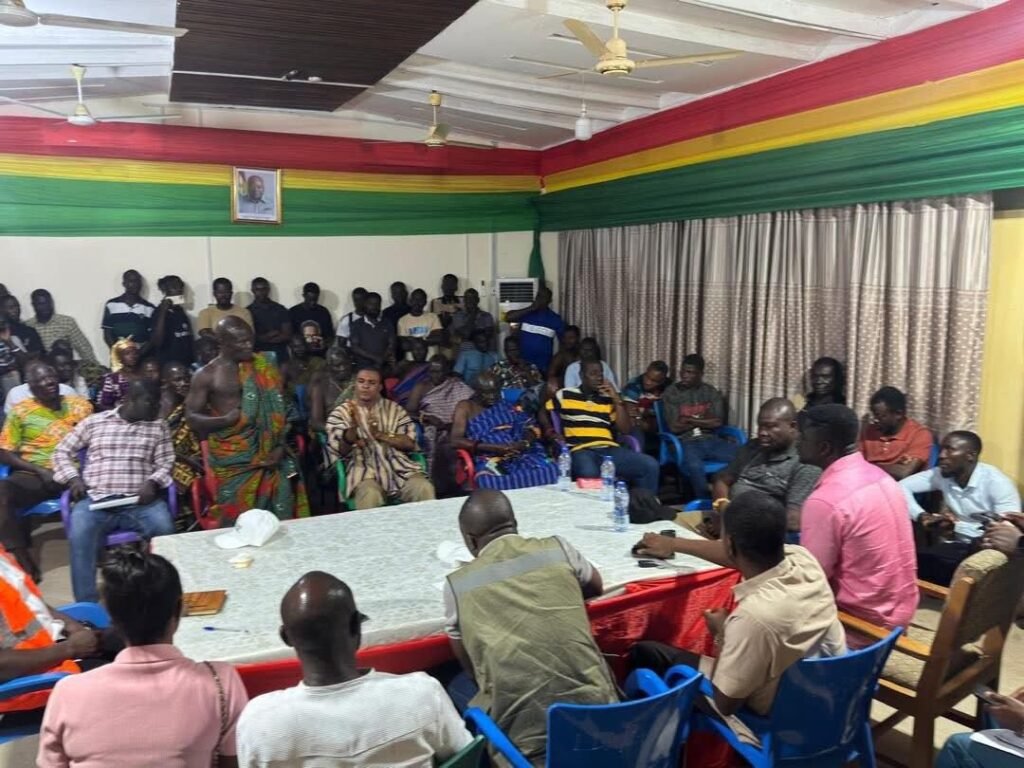
By providing training, resources, and access to regulatory support, the program aims to equip miners with the knowledge and tools needed to conduct their activities in a manner that safeguards the environment, protects the health and safety of workers, and contributes to the overall development of their communities.
While rCOMSDEP continues to roll out its initiatives across the country, the program’s collaborative approach with key regulatory bodies, such as the EPA, NAIMOS, and the Blue Water Guards, underscores the government’s recognition that tackling the illegal mining challenge requires a multifaceted and coordinated effort.
By leveraging the expertise and resources of these agencies, rCOMSDEP is poised to drive meaningful and lasting change in the mining sector, paving the way for a more responsible and inclusive industry that benefits all Ghanaians.