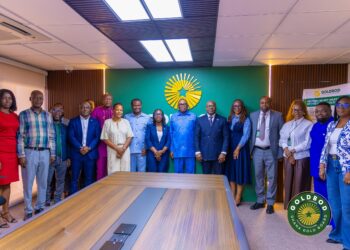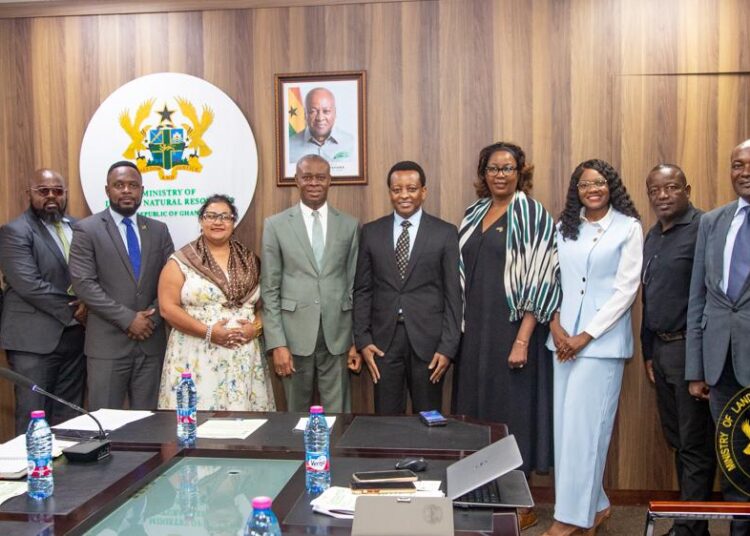
Ministry of Lands and Natural Resources has hosted a high-level, 10-member parliamentary delegation from Namibia to strengthen bilateral ties, particularly in the critical domain of natural resource governance.
This engagement, transcends mere diplomatic formality; it is a strategic alignment of two resource-rich African nations aiming to cultivate a shared vision for robust, sustainable, and citizen-benefitting extractive sectors.
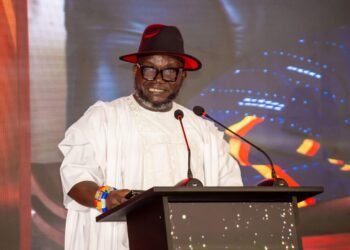
The visit by the Namibian Parliamentary Committee on Natural Resources underscores the profound respect for Ghana’s long-standing, diversified experience in managing vital assets, spanning gold and other minerals to forestry, petroleum, and marine resources as noted by the Chairperson of the Namibian delegation, Dr. Tobie Aupindi.
“The Parliamentary Committee on Natural Resources represents a greater part of our national resources. We are here to learn, share experiences, and understand best practices that can help both our countries move forward.”
Dr. Tobie Aupindi

The meeting provided a crucial platform for the two countries to exchange ideas and share best practices, recognizing that Africa’s economic destiny is intrinsically linked to cooperation.
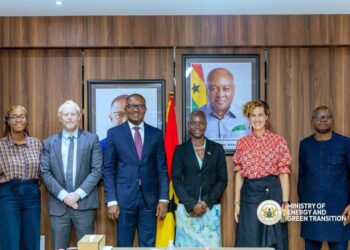
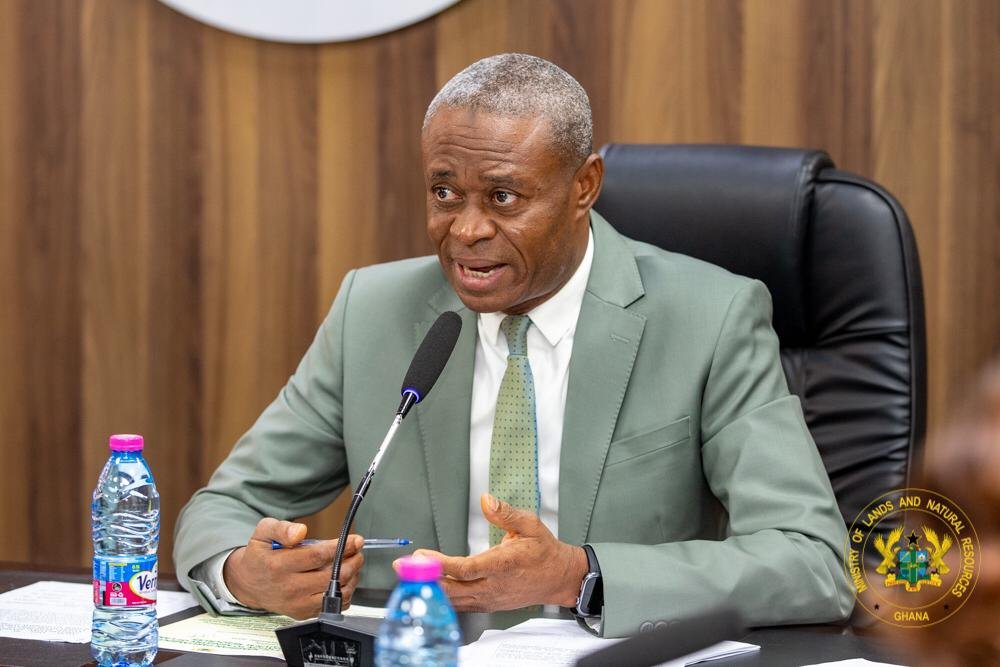
Deputy Minister for Lands and Natural Resources, Hon. Yusif Sulemana, warmly received the committee, emphasizing that the visit reinforces a relationship deeply “grounded in history” and provides a foundation to build upon.
This ethos of Pan-African solidarity was crystallized by the Deputy Minister’s call for continental unity, urging participants to “forget the name of your country. Africa is for all of us,” a powerful sentiment that should resonate deeply within the extractive industry as nations increasingly seek greater ownership and control over their mineral wealth.
Ghana, a major gold producer, and Namibia, a key coastal nation with recent oil and gas discoveries, are strategically positioned to lead this African-centric resource management narrative.
Their cooperation provides a model for enhanced regional engagement within the broader framework of the African Union’s development agenda, leveraging shared Atlantic coastlines for strategic access and trade.
Ghana’s Leadership in Extractive Governance: A Blueprint for Namibia

Ministry of Lands and Natural Resources (MLNR) is mandated by law to ensure the sustainable management and utilization of the nation’s entire spectrum of land, forest, wildlife, and mineral resources for socio-economic growth.
The Ministry’s mission encompasses policy formulation, market regulation, and asset management, aiming to link the extractive industry effectively to the rest of the economy.
This comprehensive mandate, backed by decades of managing diverse commodities like gold, bauxite, and recently oil and gas, positions Ghana as a valuable repository of experience.
The complexity of Ghana’s extractive sector, from addressing the pervasive issue of illegal mining (galamsey) to implementing policies for local content and value addition offers rich, real-world case studies.
For Namibia, whose economy is heavily reliant on mining (diamonds, uranium, and other base metals) and is now positioning itself as a fledgling oil and gas player following significant offshore discoveries, Ghana’s journey offers a crucial blueprint.
Namibia, already known for its highly successful Community-Based Natural Resource Management (CBNRM) program in the wildlife sector, an effort that devolves resource rights to local communities is looking to apply similar principles of inclusive and sustainable management to its mineral and petroleum sectors.
Dr. Aupindi specifically noted his team’s interest in understanding “how Ghana has navigated historical challenges and built systems that work,” underscoring the value of Ghana’s legislative and policy evolution, including its approaches to resource revenue management, community engagement, and combating illicit activities.
The transfer of knowledge on policy and legal frameworks, a key component of the meeting is expected to fast-track Namibia’s development of robust, citizen-centric resource policies.
Strengthening the Pan-African Extractive Tide

The collaborative engagement is a significant step towards realizing a “Bilateral Dividend,” creating mutual benefits that go beyond the technical exchange of information.
For Ghana, the partnership strengthens its position as a regional leader and a champion of Pan-African economic self-determination.
For Namibia, it provides accelerated access to best practices, enabling a more rapid and responsible development of its nascent oil and gas industry and a greater focus on domestic value addition for its minerals, a policy gaining traction across the continent as nations like Namibia move to ban the export of certain raw minerals.
Bilateral cooperation mitigates risks associated with foreign dependency and exploitation, fostering a collective African voice in global resource trade negotiations.

The technical discussions, which followed the presentation on Ghana’s policy and legal architecture, were essential for diving into the practical mechanisms of resource control, benefit sharing, and environmental stewardship.
The outcome is expected to lead to concrete Memoranda of Understanding (MoUs) for joint training, research, and technical assistance, particularly in areas like geological data management, petroleum sector regulation, and forest conservation strategies.
The shared commitment is to leverage natural resources to drive broad-based socio-economic development, ensuring that wealth from the ground translates into tangible benefits for the average Ghanaian and Namibian citizen.
Both delegations expressed optimism that this deepened cooperation will not only strengthen their bilateral bond but also enhance their respective capacities to manage their natural capital sustainably for future generations.
READ ALSO : Judge Reverses Previous Decision To Keep Epstein’s 2019 Case Records Sealed