
The Government of Ghana has issued a strong protest to the State of Israel following what it describes as “inhumane and traumatic” treatment of Ghanaian travellers at the Ben Gurion International Airport in Tel Aviv.
In a sharply worded statement released on 10 December 2025, the Ministry of Foreign Affairs expressed deep concern over what it said is a pattern of “deliberate targeting” and unjustifiable harassment of Ghanaian nationals attempting to enter Israel.
According to the Ministry, the disturbing incidents began on Sunday, 7 December 2025, when seven Ghanaian travellers were subjected to severe mistreatment upon their arrival at the airport.
Among those detained were four members of a parliamentary delegation attending the Annual International Cybersecurity Conference in Tel Aviv. Despite having been officially invited to the global event, they were reportedly held for over five hours, with their release secured only after what the Ministry described as “strenuous diplomatic intervention.”
The remaining three Ghanaian travellers, who were not part of the parliamentary team, were deported on the next available flight and have since returned home.

The Ministry emphasized that the Israeli authorities failed to provide any credible justification for the detention or deportation of these individuals, raising serious concerns about discriminatory and unprofessional conduct.


“The Government of Ghana considers the actions of the Israeli authorities as unfairly targeting Ghanaian travellers and accordingly conveys its strong reservations against the humiliating treatment of our citizens at the Ben Gurion International Airport”.
Ministry for Foreign Affairs, Ghana
Ghana and Israel have shared more than six decades of cordial bilateral relations, with thousands of citizens of both countries travelling freely between the two states each year without major incident.
Against this backdrop, the Ministry described the latest actions by Israeli border authorities as “extremely provocative, unacceptable, and inconsistent with our friendly historical relations.”
The Israeli government has reportedly suggested that the incidents stemmed from alleged non-cooperation by the Ghanaian Embassy in Tel Aviv regarding the deportation of Ghanaian nationals in Israeli custody.
However, the Ministry firmly rejected this claim, stating that “the facts confirm that our mission in Tel Aviv has been responsive and compliant with international law.”
Officials stressed that Ghana’s embassy has consistently fulfilled its consular responsibilities and does not engage in conduct that obstructs lawful immigration procedures.
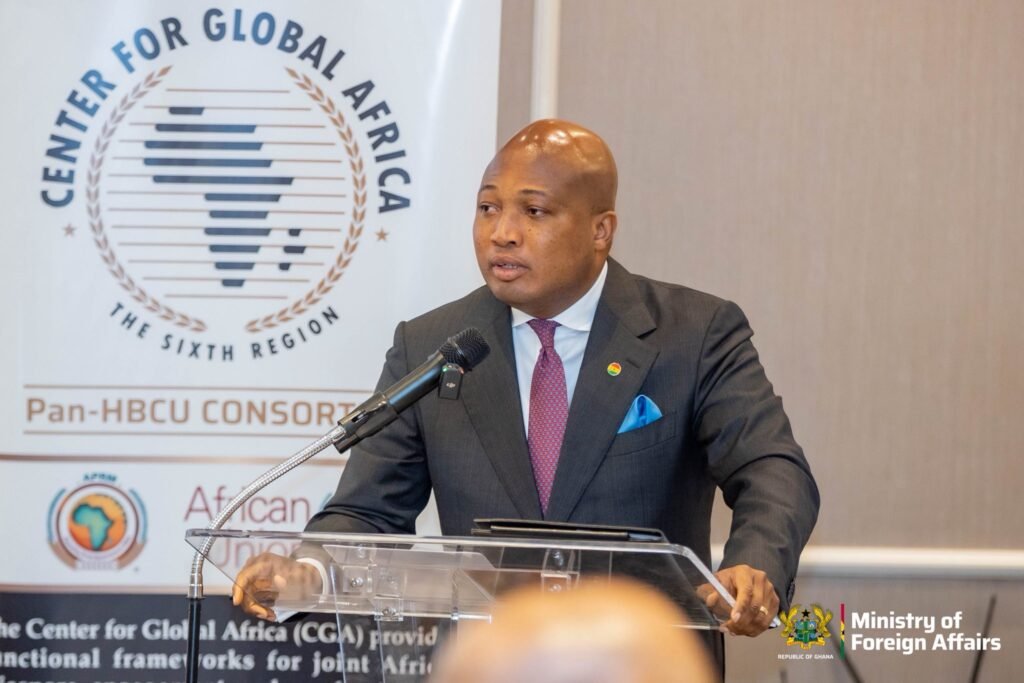
Ghana Summons Israeli Embassy
In response to the escalating situation, the Ministry of Foreign Affairs has summoned officials from the Israeli Embassy in Accra for an urgent meeting to formally register the government’s displeasure.
The Ministry indicated that Ghana will communicate its protest “in the strongest possible terms,” signalling a hardening of the country’s diplomatic posture on the matter.
Beyond lodging a formal complaint, Ghana is also considering “appropriate reciprocal action,” although the Ministry did not disclose what specific measures were under review.
The reciprocal action could range from travel restrictions to official advisories or adjustments in bilateral cooperation frameworks. The government has maintained that such decisions will be guided by the need to protect Ghanaian travellers and uphold the dignity of its citizens abroad.
The Ministry ended its statement by reaffirming Ghana’s commitment to constructive international relations but insisted that the safety, respect, and fair treatment of Ghanaian citizens remain paramount. “This condemnable conduct by Israeli authorities must be addressed to preserve the longstanding partnership between our two nations,” the statement said.

As Ghana awaits Israel’s official response, the issue has provoked widespread debate among citizens, civil society groups, and the diplomatic community. Many see the episode as a critical moment for reviewing Ghana’s approach to foreign travel protections and the broader responsibility of states to safeguard their nationals in global mobility settings.
For now, the government’s message is clear: it will not tolerate actions that demean or endanger its citizens, and it expects Israel to uphold the standards befitting the historically warm relationship the two countries have enjoyed for more than sixty years.
READ ALSO: Ewoyaa Lithium: Former Lands Minister Urges Government to Shift from Colonial Legacies