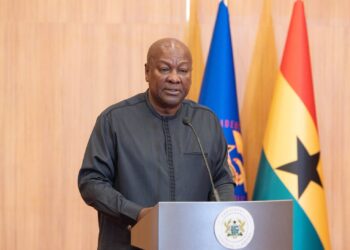
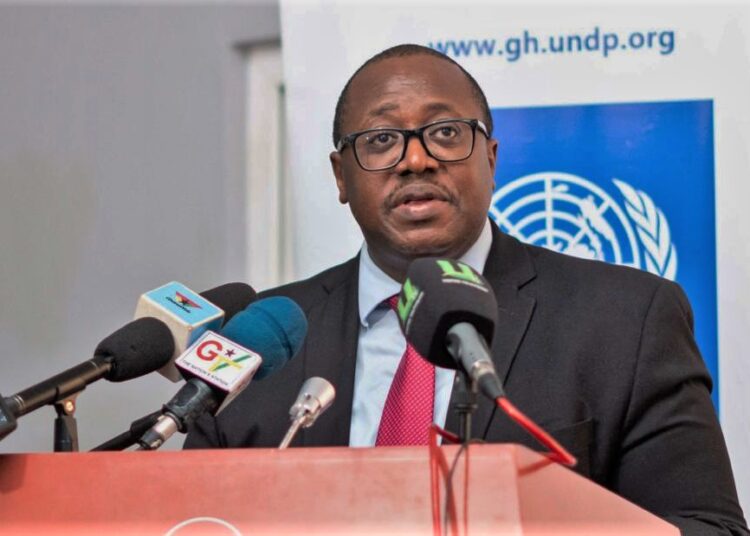
The Centre for Democratic Development (CDD-Ghana) has hailed President John Dramani Mahama’s strong opposition to attempts to repeal the Office of the Special Prosecutor (OSP) Act, describing his intervention as a clear affirmation of the government’s commitment to strengthening Ghana’s anti-corruption architecture.
The organisation believes the President’s stance signals a determination to safeguard institutions that are central to advancing transparency and accountability.
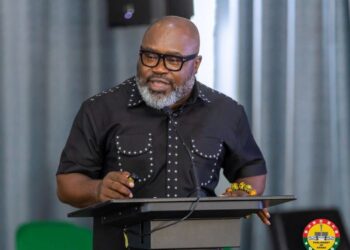
The Director of Advocacy and Policy Engagement at CDD-Ghana, Dr Kojo Pumpuni Asante, praised the President for urging the Majority Leader, Mahama Ayariga, and the Majority Chief Whip, Rockson Nelson Dafeamekpor, to withdraw the Private Member’s Bill seeking to abolish the OSP.
The proposed repeal had triggered widespread public criticism, with many organisations warning that dismantling the office would undermine years of progress in the fight against corruption. President Mahama’s intervention, therefore, comes at a crucial moment in reaffirming the state’s commitment to maintaining strong oversight and investigative mechanisms.
Dr Asante dismissed claims that the OSP had failed or underperformed, arguing instead that available records indicate meaningful progress. He noted that criticisms of the office’s effectiveness often overlook the practical challenges faced by a relatively young institution operating within a complex governance landscape.

“I disagree with the narrative that the OSP’s performance has been poor because the evidence does not support that claim,” he said. According to him, the suggestion that the office should be scrapped based on perceived shortcomings is misguided.
He stressed that concerns about the constitutionality of the OSP should be addressed through the ongoing constitutional review process, not used as justification to eliminate it.
He further highlighted that President Mahama’s firm stance reflects a consistent approach to building a more efficient and credible anti-corruption framework. “The President has shown consistency in supporting the office and reinforced the need to design an accountability system that delivers meaningful results for Ghanaians,” he added.
Boosting Anti-Graft Institutions
Dr Asante expressed confidence that the President’s intervention would reassure the public and strengthen the government’s resolve to protect key institutions tasked with ensuring integrity in public life.
President Mahama’s comments earlier in the week, made during an engagement with the National Peace Council, underscored his apprehension about the timing of the proposed repeal. He described the attempt as ill-advised, cautioning that abolishing the OSP at this stage would weaken national efforts to fight corruption.

The President argued that Ghana cannot afford to erode institutions that serve as deterrents against the misuse of public resources. Instead, he urged the Special Prosecutor to take proactive steps to enhance the office’s efficiency, including expediting investigations and improving communication to bolster public confidence.
The debate over the future of the Office of the Special Prosecutor has intensified in recent months, with some legislators arguing that the institution has not lived up to expectations.
However, civil society groups, including CDD-Ghana, maintain that the office remains vital to the nation’s anti-corruption framework. They contend that abolishing the OSP would create a vacuum in investigative and prosecutorial functions relating specifically to corruption, a gap that would be difficult to fill.
For CDD-Ghana, the OSP represents an important mechanism for ensuring accountability, particularly in high-profile cases. The organisation has consistently advocated for reforms to strengthen the office’s independence, operational capacity, and access to resources. It believes that these measures, rather than repeal, will enable the OSP to discharge its mandate more effectively.
Dr Asante reiterated that Ghana’s broader governance reforms must focus on institutional strengthening rather than dismantling systems that are yet to reach full maturity.
“We should be investing in these institutions, not weakening them,” he argued. He called for constructive engagement across the political divide to ensure that the Special Prosecutor’s office receives the support needed to function optimally.
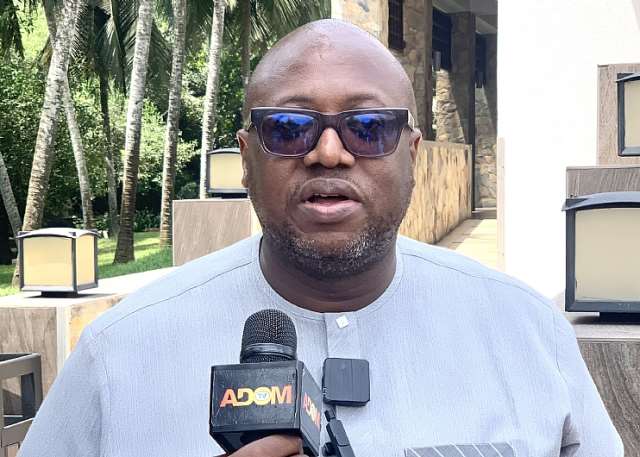
The President’s call for improved operational efficiency underscores the government’s expectation that the OSP must continue to demonstrate progress. By encouraging faster investigations and greater responsiveness, President Mahama seeks to boost public trust in the institution while preserving its core mandate.
His intervention is seen by many as a balanced approach: firm in preserving the institution, yet clear in demanding enhanced performance. As the conversation on institutional reform continues, CDD-Ghana’s endorsement of the President’s position adds weight to the public discourse.
The organisation’s message reflects broader calls for continuity, stability, and a long-term perspective on governance reforms—values it believes are essential for sustaining the national fight against corruption.
READ ALSO: Ghanaians to Enjoy Cheaper Fuel This Christmas as Prices Drop