
The Chamber of Petroleum Consumers (COPEC) has sounded the alarm over Ghana’s recent crackdown on black market currency dealers, warning that the move is worsening volatility in the forex market and could trigger fresh hikes in fuel prices.
Executive Secretary of COPEC, Duncan Amoah, said the security operation targeting illegal forex traders has disrupted liquidity in the system, leaving oil marketing companies (OMCs) struggling to source dollars for petroleum imports.
Mr. Amoah was unequivocal in his assessment of the situation. “I think that whatever the task force did by arresting black market dealers is also having a negative impact,” he cautioned.
He explained that despite operating outside formal structures, black market dealers play a crucial role in providing the liquidity that OMCs depend on.
Their removal from the ecosystem, he argued, is already constricting access to forex, driving up exchange rates and threatening to push fuel prices upward.
The COPEC boss warned that the ripple effects of the crackdown could soon be felt at the pumps. With OMCs unable to access sufficient forex, the cost of importing petroleum products is likely to rise, forcing companies to adjust their prices.
“The fuels market will respond, because mind if the open market behaves the way it is doing, the OMCs may not be able to hold prices further.
“It is not a desirable outcome, it is not something we would all want to have.”
Duncan Amoah, Executive Secretary of COPEC
Call for a Rethink

Mr. Amoah urged authorities to reconsider their approach to managing the forex market. He stressed that while regulation is necessary, the current method of swooping in on black market dealers is counterproductive.
He said, “There should be a more friendly way of approaching them,” adding that a collaborative strategy would help stabilise the market without cutting off vital liquidity.
The warning comes at a time when the cedi has been experiencing sharp fluctuations against the dollar, with rates changing within hours.
Industry players fear that continued instability could undermine Ghana’s deregulated fuel pricing regime, where OMCs already operate within tight margins dictated by taxes and levies.
For consumers, the prospect of rising fuel prices adds to the burden of inflation and cost-of-living pressures. Analysts say the government must balance its fight against illegal forex trading with the need to maintain liquidity in the market.
Price Deregulation Doesn’t Mean No Regulation
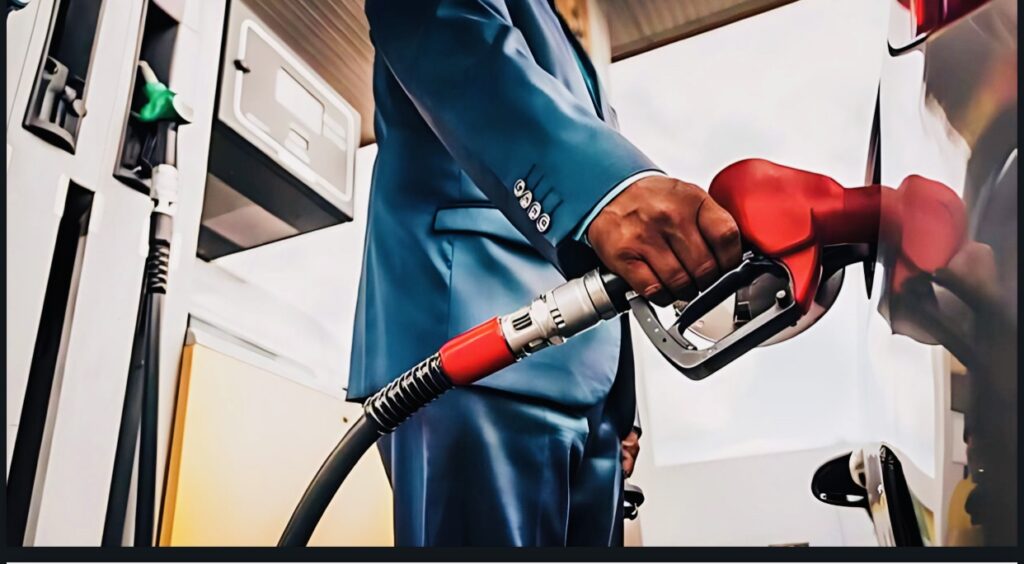
Mr. Amoah also shed light on long-standing misconceptions about Ghana’s deregulated fuel pricing regime. He stressed that despite perceptions, the system still contains fixed components that are beyond the control of OMCs.
“When you say price is deregulated, it does not mean that there’s no regulation at all.
“A lot of what you have on the price build-up is cast in stone… particularly the taxes, levies, and margins.”
Duncan Amoah, Executive Secretary of COPEC
According to him, the only real flexibility OMCs have lies in adjusting their profit margins to remain competitive.
He explained that companies with lower overheads or smaller operating structures often price fuel lower than larger firms such as GOIL or Shell, which must justify shareholder expectations and higher operational expenses.
Some OMCs, he noted, “are just able to work smart… and deliver more efficient prices,” while others simply cannot, due to corporate obligations and more complex financial structures.
Competition and Market Structure Shape Pricing Dynamics
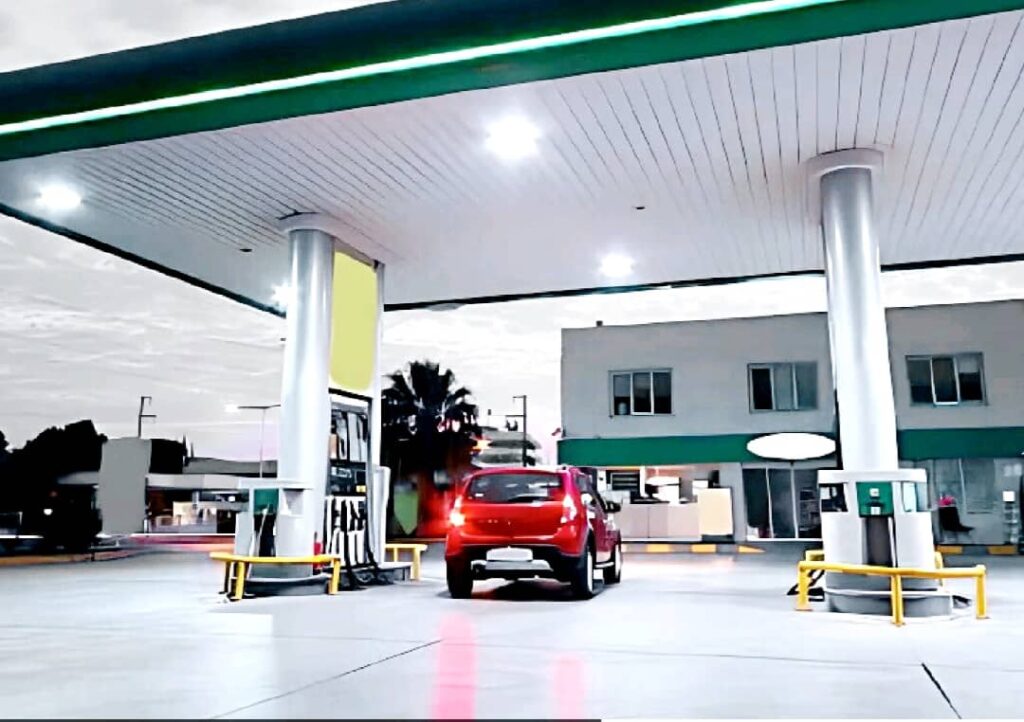
Mr. Amoah highlighted how market forces such as forward purchasing, cash availability, and scale influence pricing behavior across OMCs.
Smaller companies that can purchase limited volumes upfront often secure better deals from Bulk Distributing Companies (BDCs), allowing them to offer competitive pump prices.
He noted that public perception is gradually shifting, with fewer Ghanaians assuming that lower prices mean inferior fuel quality. “Some of the companies are just able to be efficient in the way they are structured,” he said, adding that greater awareness has reduced stigma around competitively priced OMCs.
Historically, the National Petroleum Authority had intervened with floor pricing to prevent excessive undercutting, but Amoah argued that efficiency, not product quality often explains price differentials.
Mr. Amoah reiterated the need for authorities to balance enforcement with economic realities. While acknowledging the importance of regulating the forex market, he cautioned that aggressive crackdowns could backfire.
He called for a “more friendly way” of dealing with informal forex traders, noting that their role, though unofficial helps moderate liquidity pressures.
Fuel prices, he stressed, respond immediately to forex instability, meaning that any disruption in dollar access will inevitably be felt at the pumps.
READ ALSO: Developing Countries Restructure $90bn in Debt — But Rising Costs Spell Trouble for Ghana