The Trump administration has imposed new sanctions on Venezuela, targeting figures close to the Venezuelan leader, Nicolas Maduro.
As Washington steps up pressure on Caracas, three nephews of President Nicolas Maduro’s wife, Cilia Flores, were sanctioned.
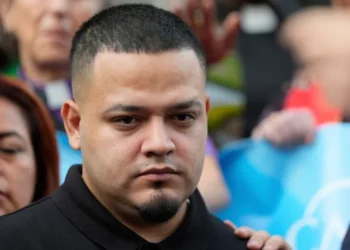
Two of the sanctioned nephews were previously convicted in the United States on drug trafficking charges before being released as part of a prisoner exchange.
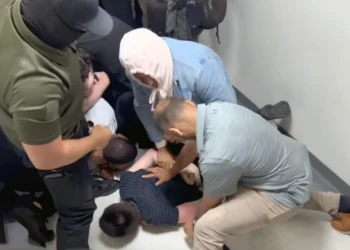
The sanctioned nephews of Venezuelan first lady Cilia Flores are Franqui Flores and Efrain Antonio Campo Flores. The two became known as the “narco nephews” after their arrest in Haiti in 2015 during a US Drug Enforcement Administration sting.
They were convicted in 2016 on charges of attempting to carry out a multimillion-dollar cocaine deal and sentenced to 18 years in prison, before being released in a 2022 prisoner swap with Venezuela.
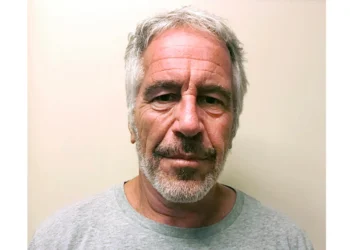
A third nephew, Carlos Erik Malpica Flores, was also targeted. US authorities allege he was involved in a corruption scheme at the state oil company.


The US is also targeting Venezuela’s oil sector by sanctioning a Panamanian businessman, Ramon Carretero Napolitano, whom it says facilitates the shipment of petroleum products on behalf of the Venezuelan government, along with several shipping companies.
The US Treasury Department said on Thursday that the measures include sanctions on six crude oil tankers it said have “engaged in deceptive and unsafe shipping practices and continue to provide financial resources that fuel Maduro’s corrupt narco-terrorist regime.”
Four of the tankers, including the 2002-built H Constance and the 2003-built Lattafa, are Panama-flagged, with the other two flagged by the Cook Islands and Hong Kong.
The vessels are supertankers that recently loaded crude in Venezuela, according to internal shipping documents from state oil company PDVSA.
Secretary of the Treasury, Scott Bessent said in a statement that Maduro “and his criminal associates in Venezuela are flooding the United States with drugs that are poisoning the American people.”
“These sanctions undo the Biden Administration’s failed attempt to make a deal with Maduro, enabling his dictatorial and brutal control at the expense of the Venezuelan and American people.
“Under President Trump’s leadership, Treasury is holding the regime and its circle of cronies and companies accountable for its continued crimes.”
Scott Bessent
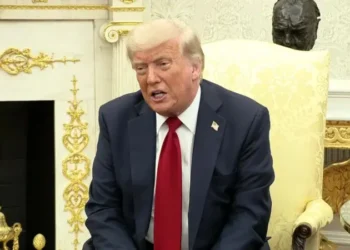
Meanwhile, Trump repeated his threat to soon begin strikes on suspected narcotics shipments making their way via land from Venezuela to the US. His remarks followed the US seizure of an oil tanker off Venezuela’s coast.
Wednesday’s seizure was the first of a Venezuelan oil cargo amid US sanctions that have been in force since 2019. The move sent oil prices higher and sharply escalated tensions between Washington and Caracas.
Seized Oil Tanker To Go To US Port
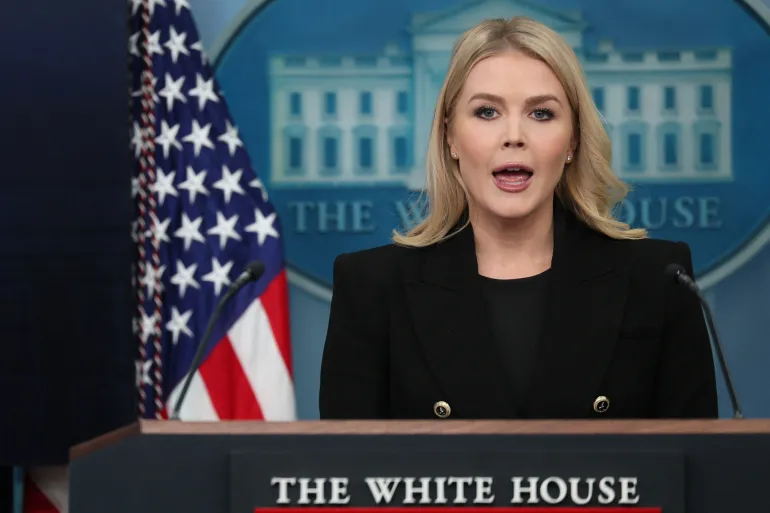
White House Press Secretary, Karoline Leavitt said that the US would take the tanker to a US port. “The vessel will go to a US port, and the United States does intend to seize the oil,” Leavitt said during a news briefing.
She added that however, there is a legal process for the seizure of that oil, and that legal process will be followed.
Leavitt told reporters she would not speak about future actions on whether the Trump administration planned further ship seizures but said the US would continue executing the president’s sanctions policies.
“We’re not going to stand by and watch sanctioned vessels sail the seas with black market oil, the proceeds of which will fuel narcoterrorism of rogue and illegitimate regimes around the world.”
Karoline Leavitt
Maduro condemned the seizure, calling it “an act of piracy against a merchant, commercial, civil and private vessel,” adding that “the ship was private, civilian and was carrying 1.9 million barrels of oil that they bought from Venezuela.”
He said that the incident had “unmasked” Washington, arguing that the true motive behind the action was the seizure of Venezuelan oil. “It is the oil they want to steal, and Venezuela will protect its oil,” Maduro added.
READ ALSO: Fresh Hope for Economy as Ghana Signs Landmark Bilateral Debt Deal with Czech Republic