Ghana’s culinary sector has expanded over the past few years and seeks support from the government and private investors to further expand the sector due to its impact on the economy.
According to the Director of EKGS Culinary Institute, Madam Efua Goode-Obeng Kyei, the time has come for the culinary arts to be treated as an economically viable venture that transcends beyond the home.
“Culinary excellence is serious economic capital, capable of driving employment, innovation, and national identity.”
Madam Efua Goode-Obeng Kyei, Director of EKGS Culinary Institute
She revealed that the sector is linked to a wide value chain of economic activities from agriculture, through food processing, hospitality, tourism, events, retail, and to exports. The culinary sector, like other sectors, equally has the potential of creating lots of jobs for the youth as well as promoting entrepreneurship.
Call for Support for the Culinary Sector
Owing to the culinary sector’s inevitability and impact, yet under-recognized, Madam Kyei called on the government to support the sector. She dared that the sector could provide lots of employment opportunities for many graduates from culinary school yearly. These could well be the pillars of the country’s economy if they had support upon completion.

Not only did she call on the government, but she also urged financial institutions, development partners, and corporate bodies to invest in technical and vocational education in general, but specifically the culinary training.
She emphasized that it will cost Ghana more to neglect the culinary sector than to support it, adding that the sector’s multiplier effect attribute should not be overlooked. She explained that as the school has inculcated into the students yearly, their skills are their capital, their creativity is their power, and their discipline is their foundation; likewise, she expects the government and private investors to support this vision and the human capital produced yearly.


Government Pledges Support and Encourages their Good Work
On behalf of the government, the Minister of Tourism, Culture, and Creative Arts, Hon. Abla Dzifa Gomashie, assured the culinary sector of the government’s support in creating a conducive environment for the sector to meet their peculiar needs.

She also commended the contribution of all stakeholders in the sector, including the students, teachers, and sector players. She again commended the sector’s contribution to the creative economy of Ghana, adding that “the culinary and gastronomy sectors held the key to unlocking opportunities for the young people.”
As the government embarks on the diversification agenda, all productive sectors are key to the President, Hon Gomashie mentioned.
According to the Minister, “although culinary arts had gained global recognition as an economic asset, cultural perceptions in Ghana continued to limit participation, particularly among men.” The culture in Ghana has suppressed the sector, and more education is needed to ensure national and cultural awareness of the culinary sector and its economic contribution to growth.
The Tourism Minister echoed the call for a reset of the collective mindset, borrowing the President’s words, “reset cannot take effect without resetting our [Ghanaians’] mindset.” Globally, men played leading roles in professional culinary practice, she said.
She illustrated the value of the sector by revealing that “Ghana’s experience at the United Nations Educational, Scientific and Cultural Organization (UNESCO), where countries sought recognition for cultural expressions such as food and dance, demonstrated the economic value of the culinary sector.”
“This sector has a platform that can carry people along, create income, and support national development.”
Hon. Abla Dzifa Gomashie, Minister of Tourism, Culture, and Creative Arts
The Culinary Sector in Ghana
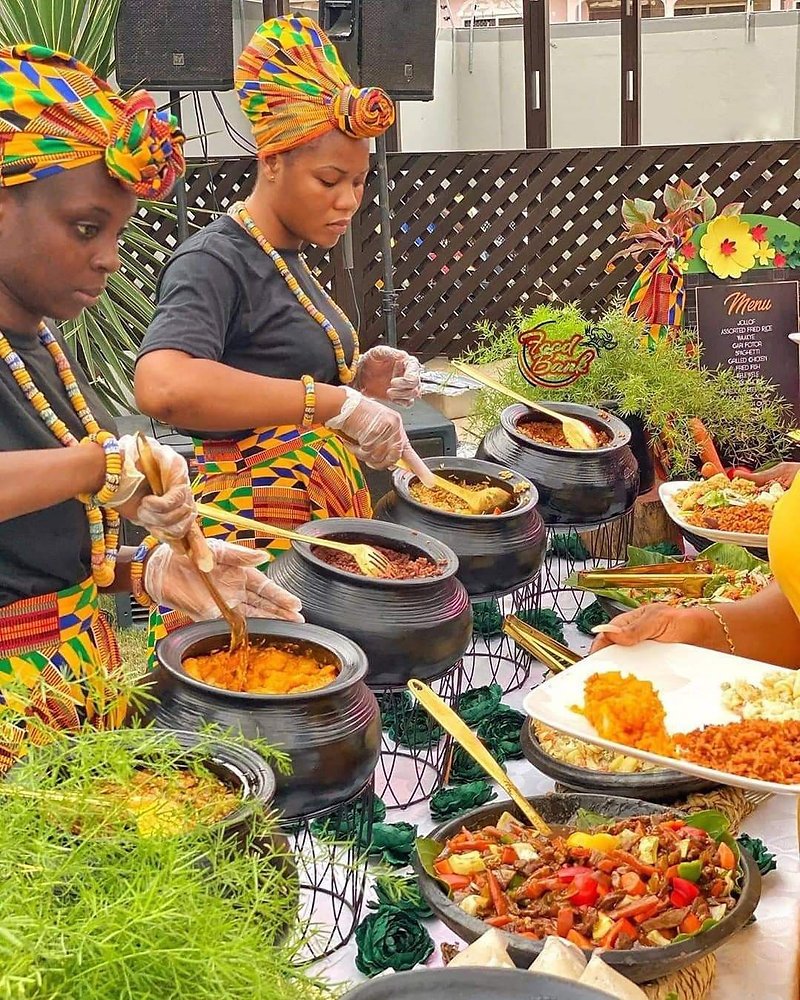
The culinary sector in Ghana is thriving swiftly through urbanization, tourism, growing middle class, encompassing vibrant restaurant scenes, street food, and culinary tourism established on some local dishes like Jollof & Fufu.
The sector has since been crippled by the economic framework of the country. These include heavy reliance on food imports, especially staples. This challenge has weighed the sector down despite the robust local produce potential of the country.
The sector employs a significant number of people, acceptance of digital food delivery, while promoting processed foods and quality ingredients, though local production struggles to meet rising demand, creating import gaps.
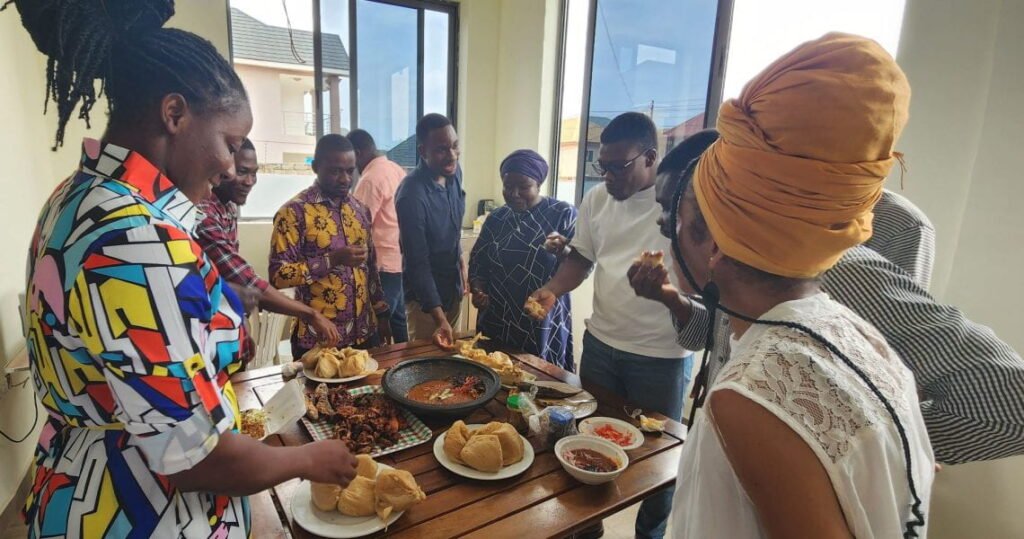
The culinary sector is important to the country as the majority of Ghanaians patronize its services daily and especially on occasions. The government and investors are called on by stakeholders of the sector to help expand the sector to promote job creation.
READ ALSO: ECOWAS Must Continue to Build Bridges with AES Countries – Mahama