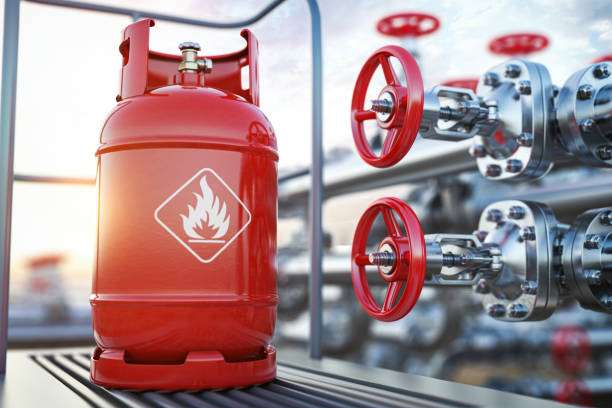
Ghana’s liquefied petroleum gas (LPG) sector is poised for a significant transformation following the announcement of a new 6,000-metric-ton storage facility expected to be completed within the next two months.
The Chief Executive Officer of the National Petroleum Authority (NPA), Godwin Edudzi Tameklo, said the facility, being developed by a private petroleum warehousing partner would address chronic storage constraints that have long affected supply reliability and pricing dynamics in the industry.
“Thankfully, with the support of the private sector, in the next one or two months, we should have another 6,000 metric ton cylinder LPG storage facility that the petroleum warehousing is putting together, and that will greatly change the dynamics in the industry, because the question of storage has always been an issue.”
Godwin Edudzi Tameklo, Chief Executive Officer of NPA
Industry observers say expanded storage capacity could reduce supply disruptions, stabilise prices, and strengthen Ghana’s ability to manage seasonal demand spikes, particularly during festive periods.
Beyond the new storage facility, the NPA is also preparing for the commissioning of a dedicated LPG vessel, which Mr. Tameklo said would further enhance supply security.
“It will greatly help us, and even by May next year, we will have a dedicated vessel, which will be commissioned in March in South Korea, just for LPG purposes.”
Godwin Edudzi Tameklo, Chief Executive Officer of NPA
The addition of a dedicated vessel is expected to reduce reliance on shared shipping arrangements, improve scheduling efficiency, and lower logistical risks associated with LPG imports.
Tackling Malpractices Through Mystery Shopping


Mr. Tameklo also addressed consumer protection concerns, particularly allegations of underweight LPG cylinder sales at some retail outlets. He revealed that the NPA has intensified the use of “mystery shopping” as a surveillance tool to identify stations engaging in malpractice.
The regulator, he warned, would not hesitate to impose severe sanctions on offenders. “We are using mystery shopping to detect these practices, and where stations are found culpable, we will apply the law fully, including possible withdrawal of licences,” he said.
The move is aimed at restoring public confidence in the LPG market and ensuring consumers receive full value for money, especially as LPG plays an increasingly important role in Ghana’s clean cooking agenda.
Another key issue highlighted by the NPA CEO was the growing concern over suppliers’ premiums, which industry players argue contribute significantly to price pressures across the LPG value chain.
Mr. Tameklo acknowledged that the matter remains contentious and assured stakeholders that the Authority is undertaking a detailed review.
“Suppliers’ premium is a huge industry concern.
“What we want to do, and it’s something we are looking at with the economic regulation team, is that all the suppliers must bring to us in a table form the things that go into the imports.”
Godwin Edudzi Tameklo, Chief Executive Officer of NPA
According to him, the objective is to interrogate cost components to determine whether the premiums accurately reflect prevailing economic conditions.
This review, he explained, is part of broader efforts to ensure transparency and fairness in pricing, while balancing the sustainability of suppliers and affordability for consumers.
Relief Measures for Bottling and Cylinder Manufacturing Companies

Mr. Tameklo also addressed financial pressures facing LPG bottling plants and cylinder manufacturing companies, particularly those linked to delayed access to the cylinder investment margin. He disclosed that the NPA Board would soon consider a framework to disburse these funds to ease operational burdens.
“We are considering a framework to disburse the cylinder investment margin fund to the bottling plants and the cylinder manufacturing companies.”
Godwin Edudzi Tameklo, Chief Executive Officer of NPA
Industry stakeholders have long argued that unlocking these funds would enable companies to expand capacity, improve safety standards, and support the nationwide rollout of the Cylinder Recirculation Model (CRM).
“We want to use this platform to encourage as many of our countrymen and women that please, when an LPG tanker is down, a fuel tanker is down, please don’t go with your gallon. Please don’t go with your cylinder.”
Godwin Edudzi Tameklo, Chief Executive Officer of NPA
He emphasised that such actions not only endanger lives but also undermine national efforts to improve safety standards across the petroleum downstream sector.
Looking ahead, Mr. Tameklo said Ghana is positioning itself to significantly expand LPG usage as part of its clean cooking and energy transition agenda. He revealed that the country is targeting more than 50 percent LPG penetration by 2030, with ambitions to rival regional leaders such as Côte d’Ivoire.
Achieving this goal, he noted, would require sustained investment, strong private-sector collaboration, and consistent regulatory enforcement.
With new storage infrastructure, a dedicated LPG vessel, enhanced safety measures, and financial relief mechanisms for industry players, the NPA believes the sector is on a firmer footing.
READ ALSO: Developing Countries Restructure $90bn in Debt — But Rising Costs Spell Trouble for Ghana