Western Regional Minister, Hon. Joseph Nelson, has called on the Ministry of Lands and Natural Resources to implement high-tech, real-time monitoring infrastructure to safeguard Ghana’s vital water bodies from the persistent threat of illegal mining.
During a strategic briefing, the Minister emphasized that the current reactive approach to illegal mining is insufficient to preserve the ecological integrity of major river systems like the Ankobra.
He argued that the deployment of advanced surveillance technology is no longer a luxury but a fundamental necessity for security agencies to gain an edge over the sophisticated networks of illegal operators who continue to evade traditional patrols.
“Dealing with the illegal activities downstream does not solve the problem in its entirety. That is why we need a system that scans the full length of the river in real time, so we know what is happening upstream. That is the only way we can properly address the challenge on the river and deal with it more effectively.”
Hon. Joseph Nelson
This call for technological intervention follows a rigorous enforcement operation conducted by the Western Regional Anti-Galamsey Task Force along the banks of the Ankobra River in the Amenfi Central District.
The hours-long exercise resulted in the seizure of seven excavators and seven water pumping machines, alongside the total demolition of makeshift structures used by miners.
Despite these tactical successes, Mr. Nelson expressed concern that traditional “boots-on-the–ground” operations only address visible downstream activities, leaving the vast, often inaccessible upstream sections vulnerable to continued degradation.
By integrating drone surveillance systems, authorities aim to establish a persistent aerial presence that can provide instant telemetry and visual data to the National Security Liaison and regional task forces.
Environmental Catastrophe and the Ankobra Crisis
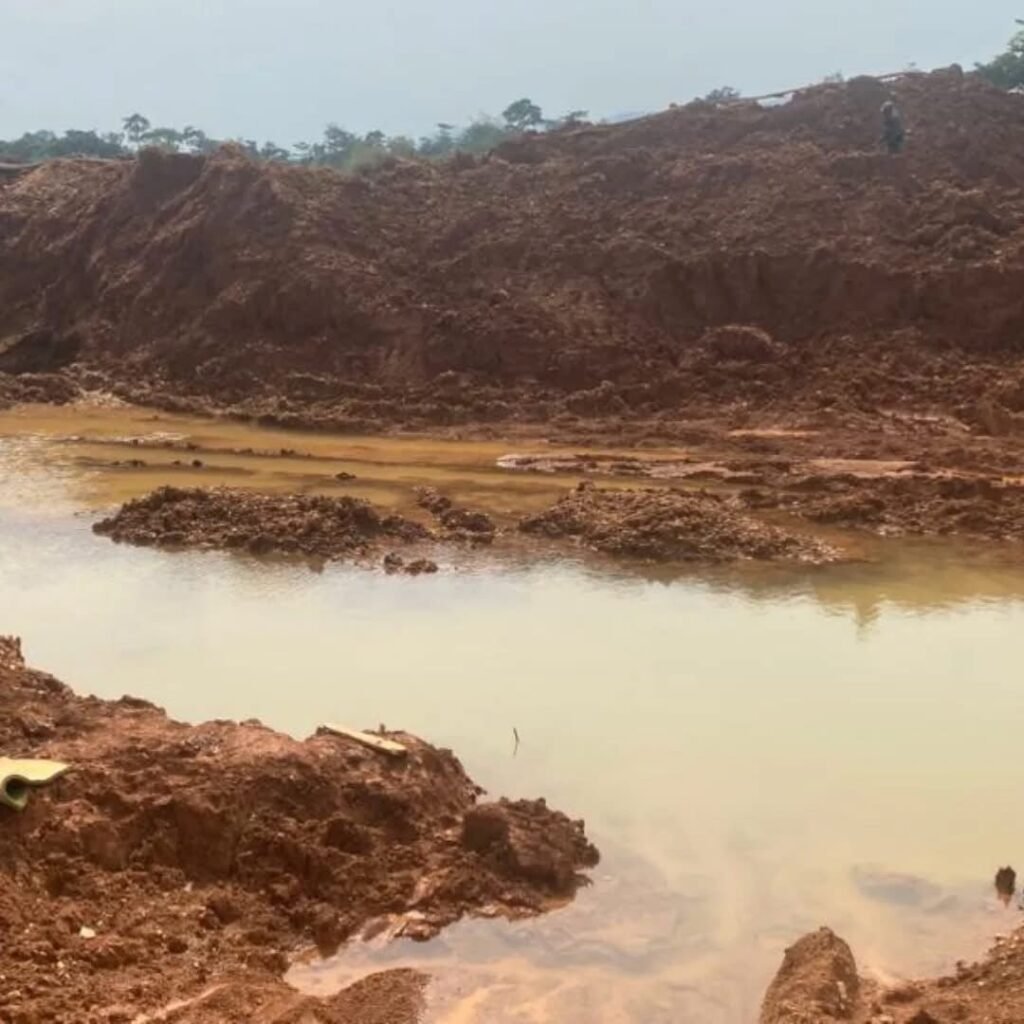
The scale of devastation uncovered in the Amenfi Central District underscores a deepening national emergency. Brigadier General Musah Whajah (Rtd), the Western Regional National Security Liaison Officer, reported that the ecological damage along the Tarkwa-Bremen Road is nothing short of “shocking.”
Illegal miners have not only stripped the land of its natural cover but have also excavated so close to critical infrastructure that electricity poles have been left dangerously unsupported.
This indiscriminate “washing” of ore directly into the Ankobra River has pushed turbidity levels to record highs, rendering the water untreatable for domestic use and destroying the aquatic habitats that local fishing communities depend upon.
The environmental cost of galamsey in 2026 is reflected in the loss of thousands of hectares of prime cocoa land and the contamination of the South-Western Basin with heavy metals like mercury and cyanide.
These toxins are persistent, entering the food chain and posing long-term health risks, including kidney failure and neurological disorders for residents.
The economic fallout is equally severe; the Ghana Water Company Limited has repeatedly warned that if the current rate of siltation continues, the cost of chemical treatment will become unsustainable, potentially forcing Ghana to import potable water by the end of the decade.
Economic Implications and the Surveillance Solution

From an extractive sector perspective, the “galamsey menace” represents a massive leak in the national economy.
While illegal mining contributes to gold output, it bypasses the formal tax net, depriving the state of billions in revenue needed for development.
Research shows that while the raw gold value is high, the state captures only a fraction of the potential profit due to smuggling and lack of local value addition.
Furthermore, the destruction of over 19,000 hectares of cocoa farms threatens Ghana’s status as a global leader in the cocoa industry, a sector that supports millions of rural livelihoods.
Minister Nelson’s proposal for a “drone-in-a-box” surveillance model offers a proactive solution to these multifaceted losses.
By utilizing Unmanned Aerial Vehicles (UAVs) equipped with thermal and multispectral sensors, the Ministry can monitor vast, remote stretches of the river 24/7.
These systems can detect ground shifts, identifies new “hotspots” before they expand, and provide geo-referenced evidence that is admissible in the specialized environmental courts.
This transition from sporadic raids to continuous, data-driven monitoring is expected to significantly reduce the operational costs of the Anti-Galamsey Task Force while increasing the rate of equipment interdiction and successful prosecution.
Sustaining the Fight for Natural Resources

The resolve of the Western Regional Task Force remains firm, with Brigadier General Whajah (Rtd) issuing a stern warning to operators to vacate the Ankobra basin or face the full rigors of the law.
However, as the Minister pointed out, the “desired results” can only be achieved if the Ministry of Lands and Natural Resources shifts toward this high-tech surveillance framework.
The goal is to create a transparent, real-time map of the extractive landscape, ensuring that the wealth of the Western Region both its minerals and its waters is preserved for future generations rather than sacrificed for short-term illicit gain.
READ ALSO: Reset Public Transport to End Extortion and Rickety Trotros – Ghanaians Demand Bold Action